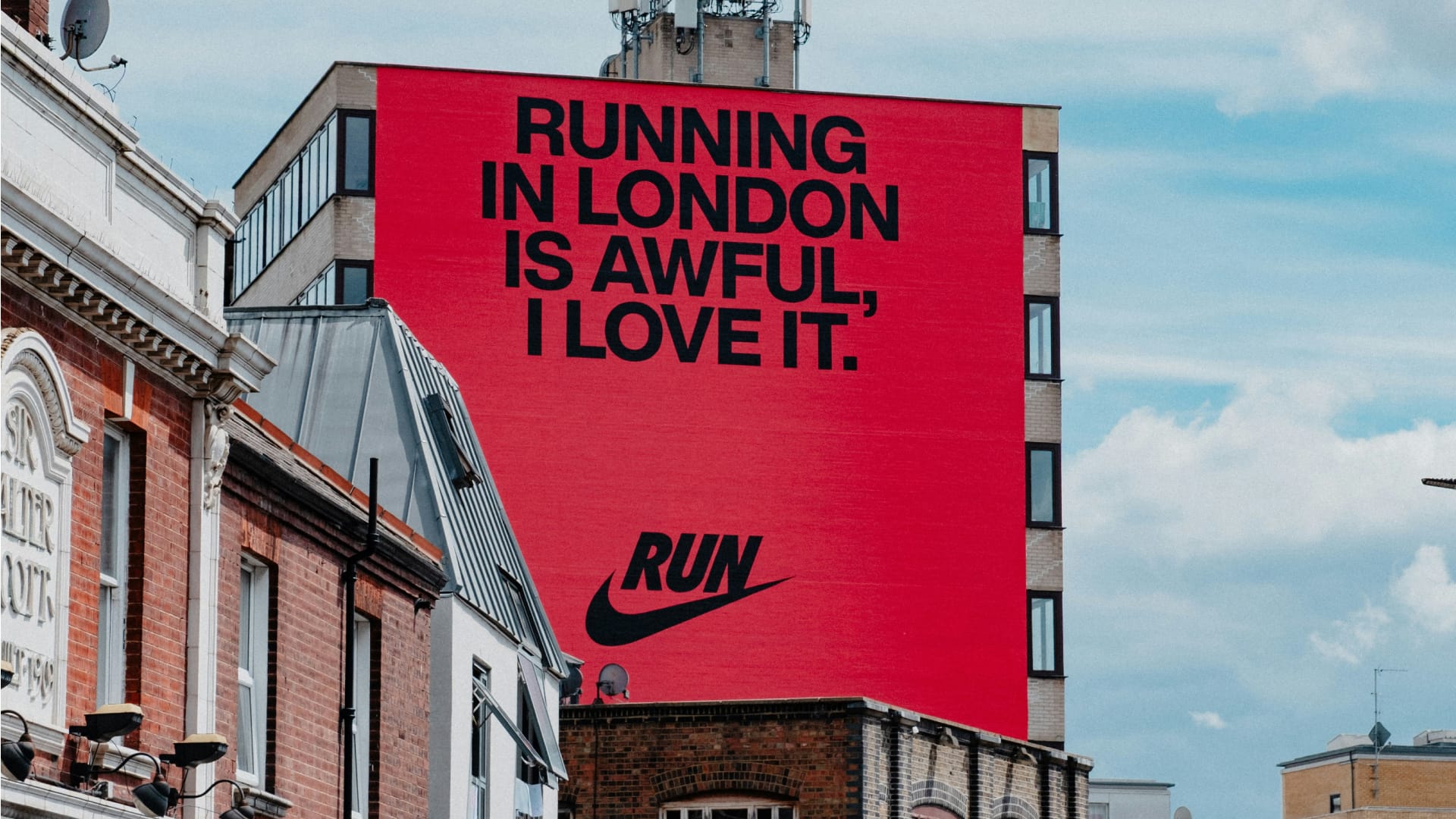
At the London Marathon, 59,830 people set a collective World Record for the most finishers in a single marathon.
In the days that followed, a record 1.8 million people signed up for the lottery for next year. That’s almost 2% of the entire UK population that took one look at the sufferfest and thought, “sign me up!”
What’s going on? Why are more and more people signing up for something so difficult, painful and downright inconvenient?
I think this is a signal of what some people are calling ‘friction-maxxing’ – the rising phenomenon of people purposefully inserting friction into their daily lives, from scratch-cooking to switching to vinyl records.
It’s perhaps understandable in a world which is increasingly automated and ‘algorithmised’, where convenience has become injected into so many aspects of our lives, that we’re trying to get back in touch with what it means to be human, to be in the moment, to focus, to experience things singularly.
Because there is something about things that take more time that makes them feel more meaningful, that’s partly due to the fact that conscious effort embeds memories and partly because we value the end product of the effort more. When things are harder, we tend to find them ‘more worth it’.
What does it mean for categories like FMCG that often focus on speed and convenience?
I think there’s an opportunity for brands to help people to create meaningful moments, to be meaningful within the moment. The result can be a win-win, creating a sense of achievement and value for consumers, while also creating new consumption moments, positive brand memories and habits.
The research backs this up. Perhaps the OG of friction-maxxing is IKEA, who add the considerable friction of having to assemble your own product. Researchers have found that when people expend effort in this way, they value the product more. They called it The IKEA Effect.
We also see it turning up in rituals. These are the more meaningful, less convenient processes that people build around certain moments in their daily lives – whether as simple as making a cup of tea (note the steady growth of the loose leaf tea market), or daily wellness, sleep rituals, or moments of celebration: think about the highly ritualised moment of the birthday party – from baking a special cake, to setting it alight and singing a ritualised song and making a wish!
Some brands have created their own rituals and moments of friction – the Guinness two-part pour, for example, or the Oreo’s twist-lick-dunk ritual.
For product development and marketing teams, the opportunities lie in understanding where the value is for consumers in this brave new friction-maxxed world:
Find the rituals that people are creating, and the meaningful additional role that your product can bring to these. For example, designing for consumer trends like ‘Sunday Reset’, ‘MealPrep’ or ‘Slow Living’, or innovating by creating meaningful experiences and rituals around the product itself – the serve, the occasion or the moment; think homemade pizza nights, overnight oats or the resurgence of pour-over coffee.
The brands winning in this space aren’t selling convenience, they’re selling permission to slow down, and with it, the potential for higher salience, preference and retention.
This article first appeared in The Grocer written by, Tom Gray, Global Chief Strategy Officer from our London studio.
Behind the piece
More like this

September 24, 2026
Beyond the viewport: Why the real world always re-writes your render
September 01, 2026