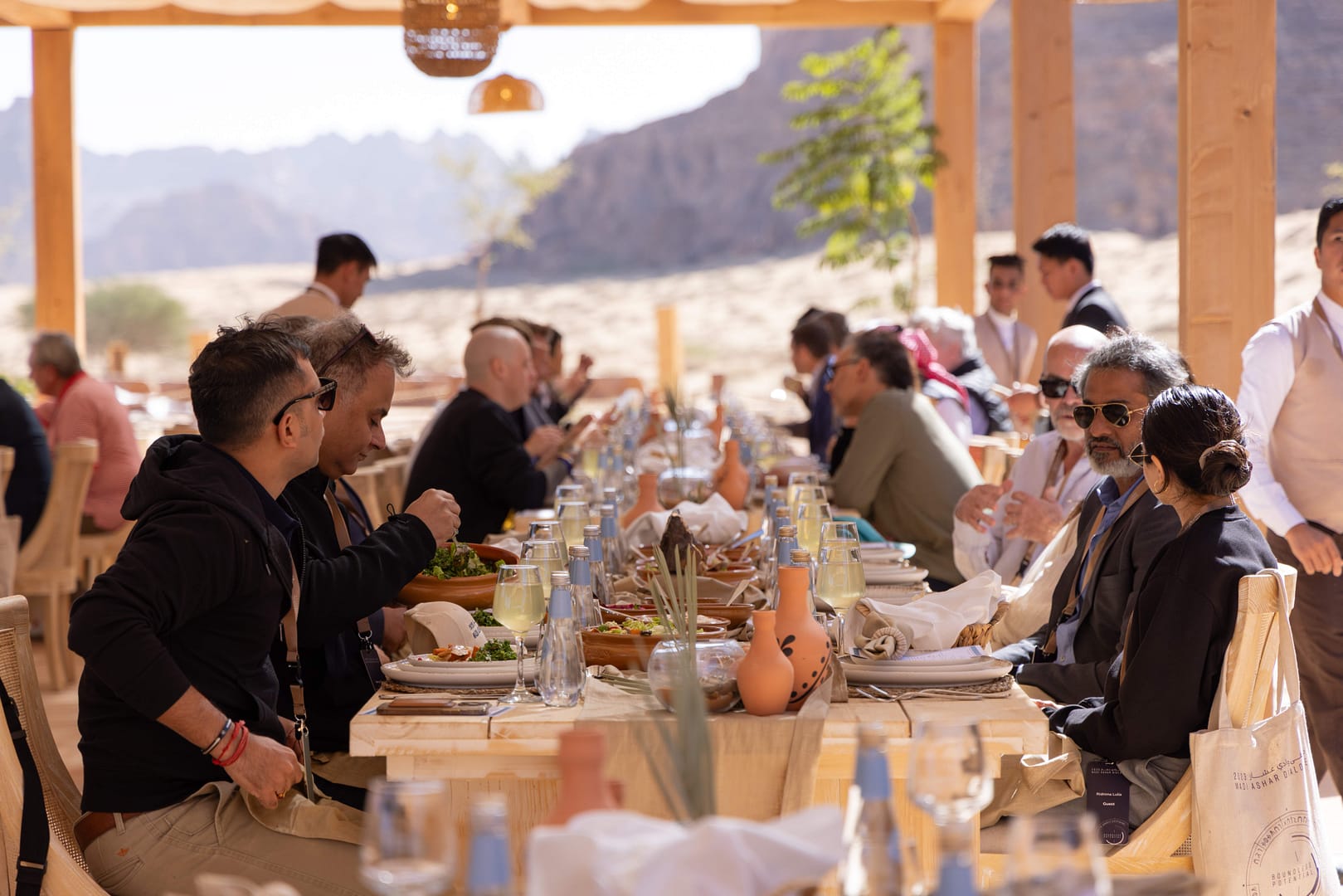
In today’s highly competitive hospitality and retail landscape, food and beverage is no longer just about serving meals and meeting basic needs. F&B has evolved into a powerful platform for connection, storytelling, and community building.
As the UAE continues to attract long-term residents and develop integrated communities that combine living, working, leisure, and retail, the role of F&B is being redefined. Restaurants, cafés, and social dining spaces are becoming essential infrastructure for daily life. When designed thoughtfully, they become social anchors and places where relationships are formed, routines are established, and a sense of belonging emerges.
This transformation is the result of deliberate decisions across four interconnected pillars: choice of location, the guest experience, a sustainable business model, and brand building and marketing. When aligned, these elements form a balanced ecosystem that enables F&B concepts to thrive commercially while contributing meaningfully to community life.
Location is more than just geography
Location has traditionally been reduced to metrics such as footfall, visibility, and rental rates. While these factors remain important, community-driven F&B concepts must look beyond square meters and demographics. In residential and mixed-use developments, success is determined by relevance, accessibility, and integration into daily routines.
A strong location aligns with the brand’s purpose and target audience. Proximity to homes, schools, offices, and public amenities allows concepts to intersect naturally with residents’ lifestyles. Choosing the right environment is therefore more important than choosing the busiest one, and selecting a clear target market is far more effective than attempting to appeal to everyone.
Lease structures also play a major role in long-term sustainability. Long-term leases can provide stability and allow concepts to mature, but they also increase risk for both the tenant and landlord if success does not materialise. Short-term leases offer flexibility but often discourage long-term investment in quality and culture. Balanced agreements, such as turnover-based rent models, can better align the interests of developers and operators.
Ultimately, the best community hubs feel natural within their surroundings. They support interaction, accessibility, and visibility while contributing positively to the social fabric rather than being imposed upon it.
From service to belonging & connection
Guest experience is where community is either built or lost. There is a fundamental difference between fulfilling basic needs and creating meaningful experiences. In community environments, experience is built on familiarity and emotional connection, so at the heart of a successful guest experience lies authenticity. Authenticity stems from integrity in concept DNA: a clear understanding of why the business exists and whom it serves.
While guest experience and authenticity are seen as the foundation of success, inclusivity is another defining factor that will contribute in an equally important manner. True inclusivity creates environments where different age groups, cultures, and lifestyles feel comfortable and respected, while still maintaining a strong sense of character.
Building for long-term sustainability is the key to consistency over time
Community-focused F&B concepts require business models that prioritise long-term value over short-term gains. Profitability is essential, but it must be built on resilient and realistic foundations aligned with community demand patterns.
One of the most critical elements is people. Staff are the face of the brand and the primary bridge between concept and community. Any serious business plan must include structured training, clear service standards, and genuine investment in professional development.
Right-sizing operations is another key factor. Overly large spaces, excessive staffing, and rigid structures often lead to unsustainable cost bases. Flexible layouts, scalable teams, and adaptable operating hours allow concepts to respond to fluctuating demand and seasonal patterns.
A strong brand and clever marketing highlights the story
In community-driven F&B, marketing is not about aggressive promotion or constant discounting; it’s about storytelling, authenticity, and relationship building. Strong brands grow through trust rather than hype.
Storytelling allows guests to see themselves as part of something larger than a transaction. Whether through the origin of ingredients, the founder’s journey, or social initiatives, stories humanise brands and strengthen loyalty.
Additionally, the use of digital platforms has now become such a powerful community tool when used correctly. Social media should not only give your brand maximum exposure but also facilitate dialogue, showcase real people, and celebrate customers and staff.
Over time, successful community brands become social reference points, and places people recommend, return to, and identify with. Their reputation is built slowly and protected carefully through consistent delivery and genuine relationships.
Human connection ensures longevity
When location, guest experience, business model, and marketing are considered in isolation, concepts often struggle to sustain momentum. When integrated, they form a balanced ecosystem in which F&B spaces become commercially viable, emotionally relevant, and socially valuable.
In an era of digital isolation and fast consumption, physical spaces that foster genuine human connection are more valuable than ever. When thoughtfully designed and managed, F&B becomes a catalyst for community building rather than merely a commercial activity. It creates environments where people meet, share, reflect, and return. It supports daily routines while enriching social life.
Sustainable success lies in balance:
- Experience over mere functionality
- Authenticity over imitation
- Strategy over impulsiveness
- People over processes
Operators who respect these principles move beyond selling food. They create places of belonging, dialogue, and continuity. They contribute to healthier, more connected communities and more resilient businesses.
In the UAE’s evolving urban landscape, the future of F&B belongs to those who understand that it is not only about what is served on the plate, but about what is created around the table: relationships, memories, and communities that endure.
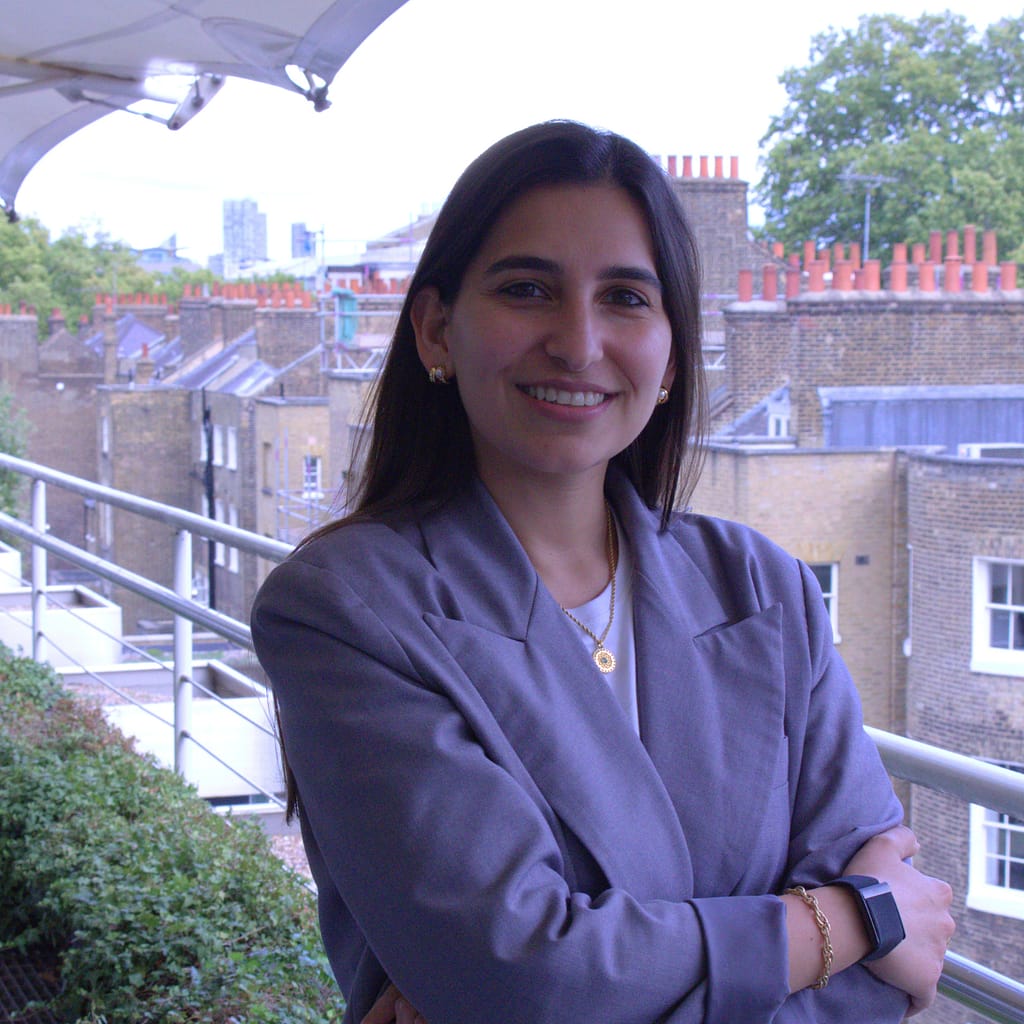
This article first appeared in Campaign Middle East written by, Juman Sleiman, Strategy Lead from our London studio, and Koen Theunis, Founder & Partner at RBnH Solutions.
Behind the piece
More like this


September 24, 2026
Beyond the viewport: Why the real world always re-writes your render
September 01, 2026