In an era shaped by ad blockers, streaming, and endless scrolling, capturing attention has become increasingly complex for brands. As traditional cable declines and audiences gain more control over what they watch, the media landscape has fragmented into a mix of platforms where advertising is often skipped, blocked, or avoided altogether.
At the same time, the rise of generative AI has made it easier than ever to produce content at scale, contributing to a growing sense of fatigue, with audiences increasingly derisive, dismissive and distrustful of the ‘slop’ they encounter on a daily basis.
In response, authentic cultural moments that happen ‘IRL’ have taken on greater significance, and brands are looking to them as ways to cut through and gain attention. Earlier this year, Bad Bunny’s Super Bowl LX halftime was watched by an incredible 128.2 million viewers in the US alone. Apple Music pays $50m a year to be title sponsor for the halftime show, demonstrating the value of these moments.
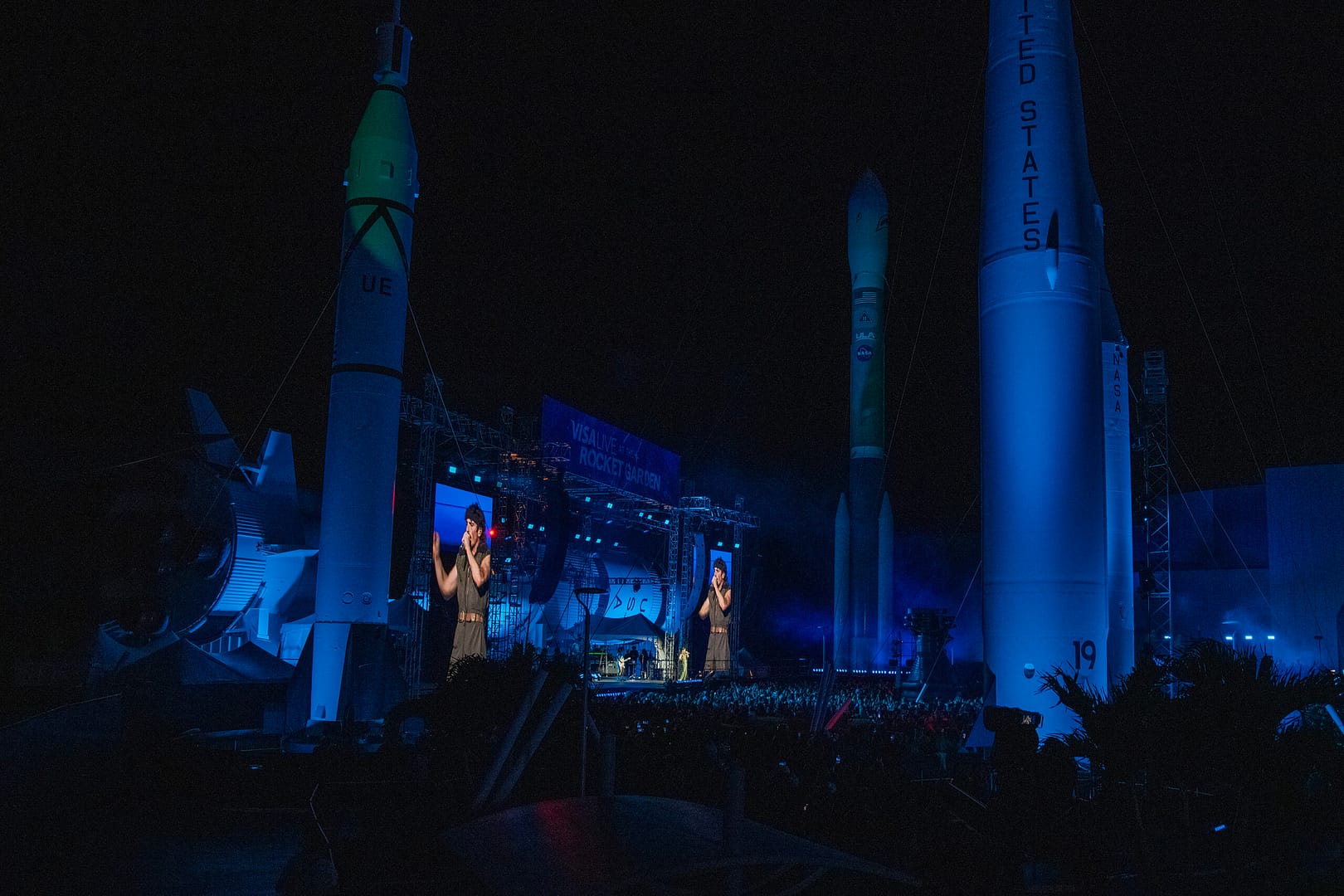
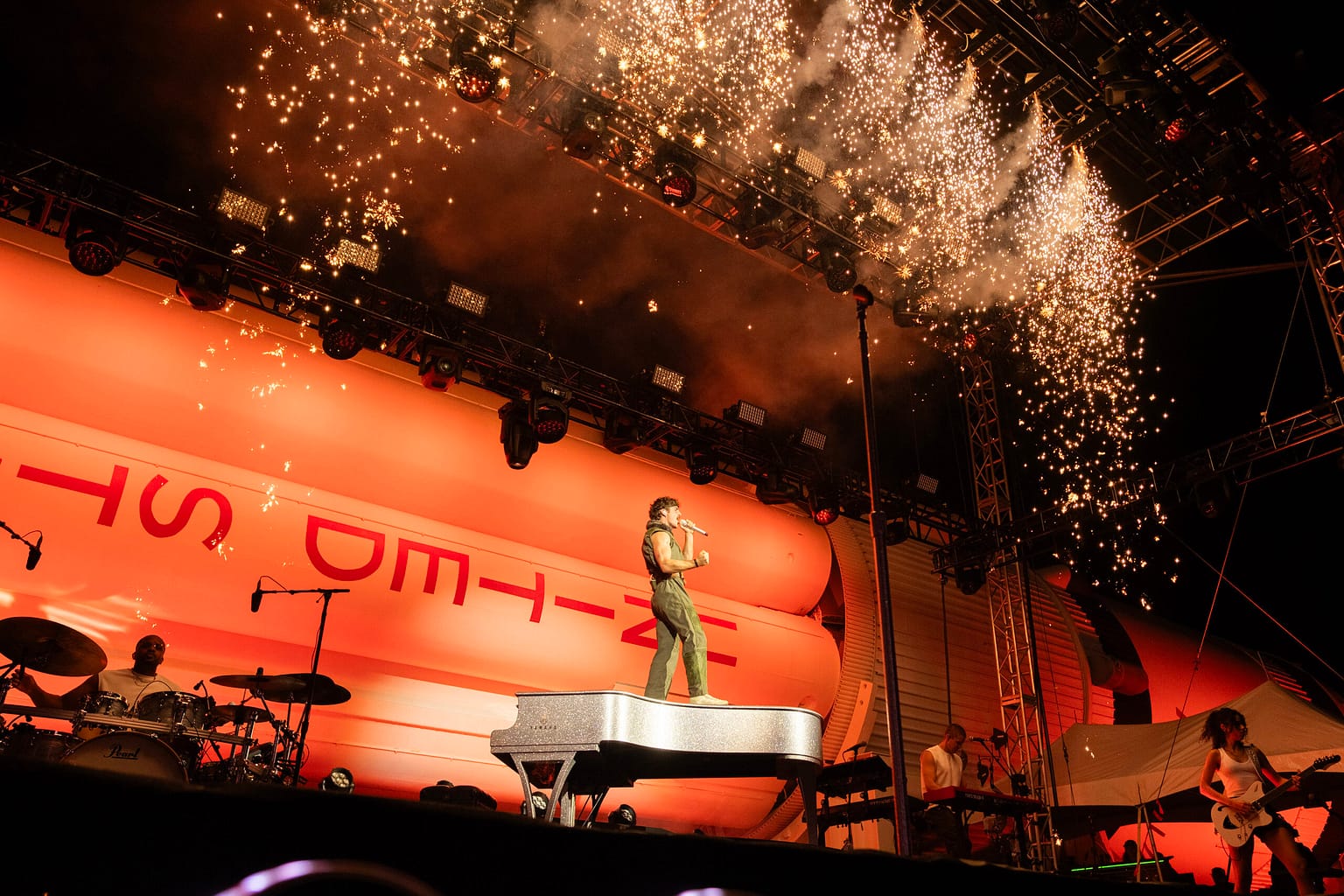
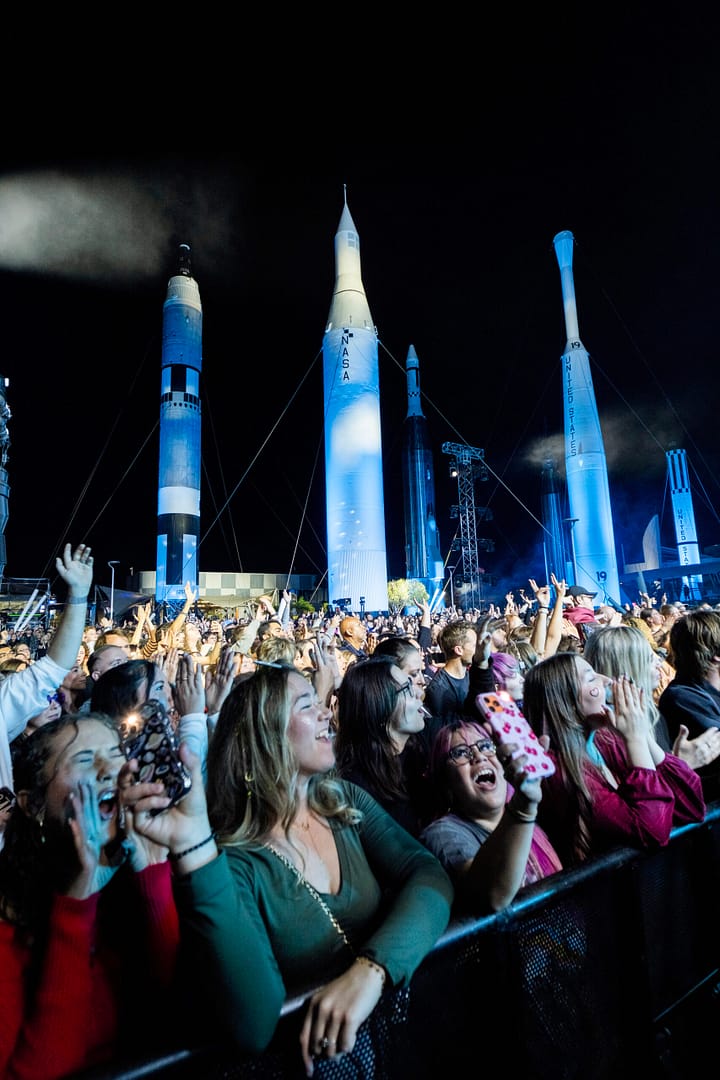
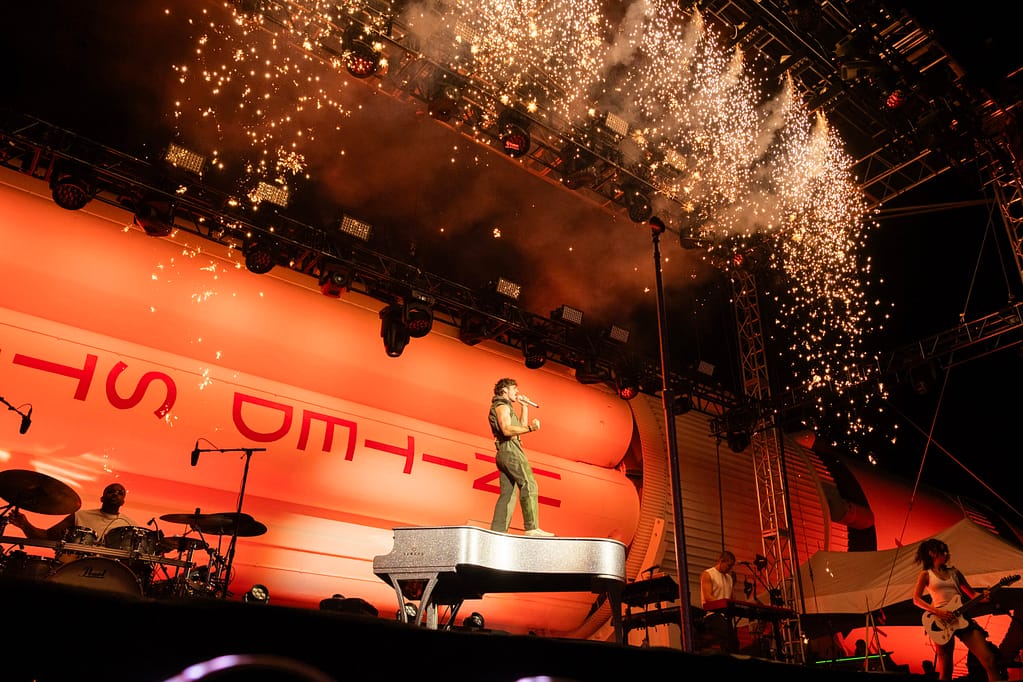
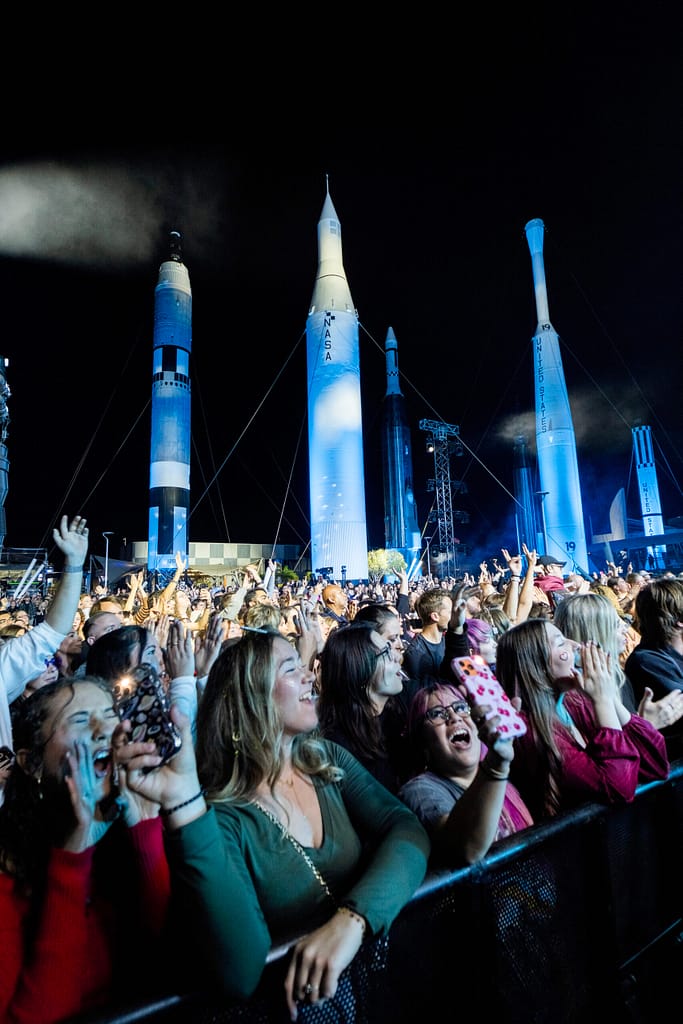
Some brands are moving beyond sponsorship to create cultural moments they can truly own. The Visa Live platform sees them connecting fans with the artists they love in unique and surprising ways. Visa Live at the Rocket Garden was hosted at the iconic Kennedy Space Center, where Benson Boone and DJ Pee .Wee played to 3,000 lucky guests. Designed for a digitally native audience and amplified via TikTok, the event generated 460M+ social impressions, including 3.2M TikTok Live views.
Amongst the torrent of slop and misinformation online, established editorial platforms have also taken on a newfound cultural relevance. They have looked to build on this credibility, branching out into events and ‘live journalism’ where authentic conversations can happen on stage rather than on screen. The Wall Street Journal, Bloomberg and the Financial Times have all built out expansive event businesses targeting both readers and corporate clients with authentic IRL moments.
For Bloomberg, events such as the exclusive New Economy Forum are a catalyst for a flywheel effect that benefits multiple business units. Bloomberg terminal data and journalists craft the agenda and attendee list, and the event itself leads to more news and original content exclusive to Bloomberg. The 2025 edition in Singapore saw 500 global delegates welcomed for three days of plenary and breakout sessions, creating 20 hours of live content broadcast on Bloomberg TV to a global audience.
The power of ‘IRL’ moments has also prompted brands to reassess their existing IP and create new mediums to engage with die hard fans. Netflix has opened Netflix House in Dallas and Philadelphia to bring its most loved original series to life in person. Paid for experiences such as these can serve dual purposes for brands, creating a new revenue stream and touchpoint with consumers attending in person, as well as serving as an authentic storytelling channel for audiences online.
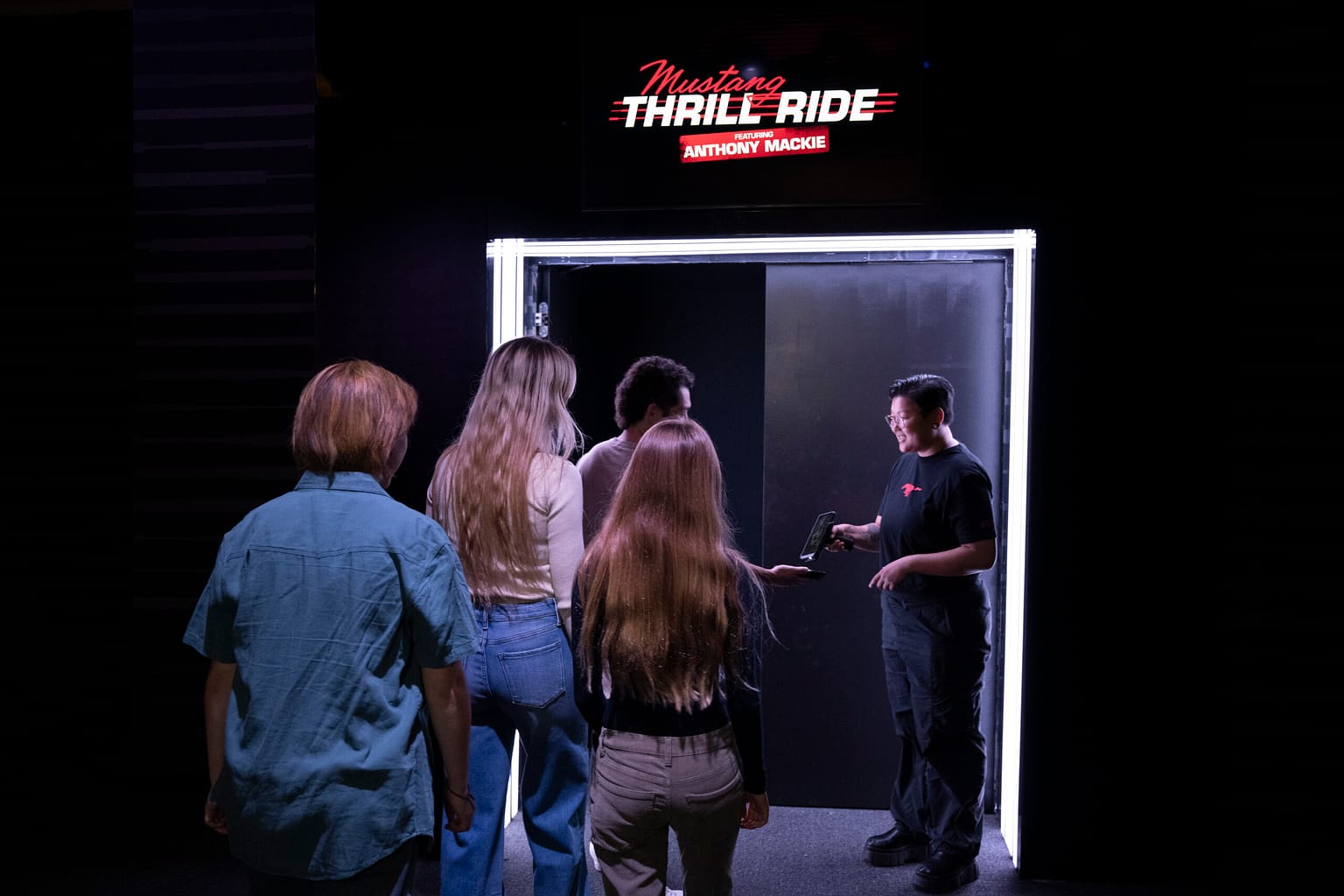

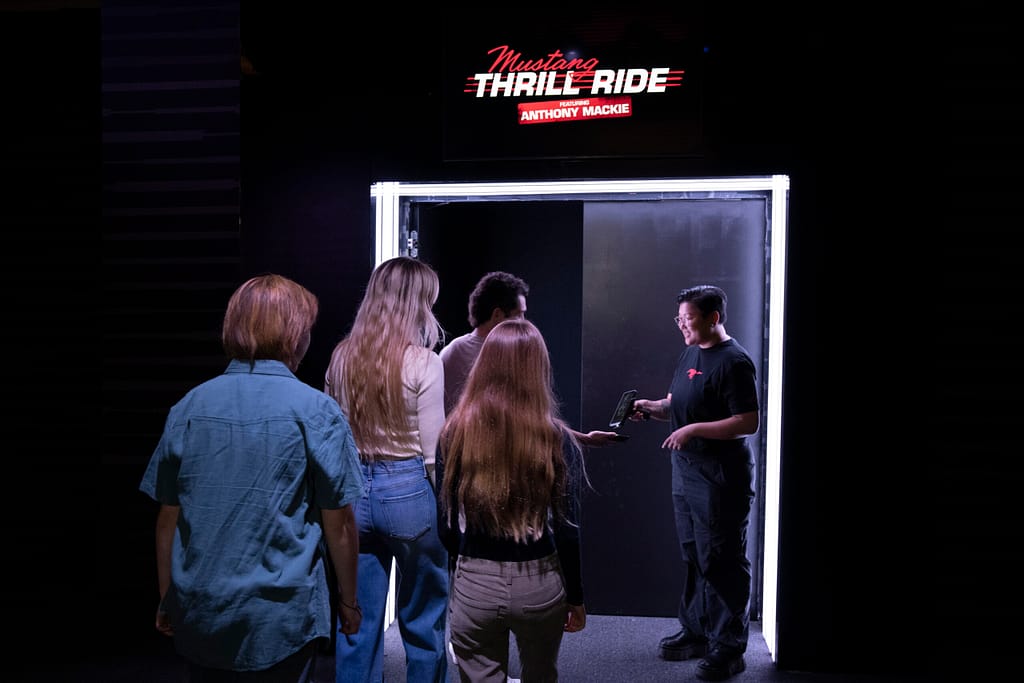

Ford recently debuted American Icon: A Mustang Immersive Experience in Los Angeles. This first-of-its-kind activation invites fans and newcomers alike to step inside Mustang’s heritage and its future, captivating audiences with a cinematic, emotionally rich journey. Through 4D thrills, floor-to-ceiling projections, and nostalgic storytelling, it reimagined Mustang not just as a vehicle, but as a cultural symbol.
Whilst some brands are exploring experiential, other brands are moving into longer-form content in search of attention and authenticity. Blockbuster movie releases and rollouts still provide an unprecedented level of PR and media coverage with audiences. Recently, non-entertainment brands have looked to make original movies themselves, creating new verticals and engagement models for their existing fans.
The Barbie movie was a huge success in this regard, recording a staggering net profit of $421m on a production budget of just $145m by tapping into the multi-generational appeal of the brand. The F1 movie was 2025’s highest-grossing original feature, a huge win for both the sport and tech giant Apple, which produced it.
As audiences become more selective with their attention, brands are rethinking how connection is built. The opportunity now is not simply to reach audiences at scale, but to create relevance that lasts through authentic storytelling, more thoughtful formats, and deeper cultural alignment, whether that is IRL, on TikTok or at the movie theatre.
This article first appeared in Little Black Book written by, Alex Beazley-Long, Strategy Lead from our New York studio.
Behind the piece

More like this
June 23, 2026
What hosting Cereals at Diddly Squat Farm suggests about the future of B2B experiences
June 18, 2026