In the wake of the pandemic and years spent as social media’s guinea pigs, it’s no surprise that young people today are craving community – and turning to music festivals to find it.
Mega-fests like Coachella and Lollapalooza are certainly here to stay, but with 84% of millennials attending music festivals to escape the weight of everyday life, a quieter shift is underway.
In the age of personalisation, younger audiences are increasingly gravitating toward boutique festivals that cater more directly to specific genres and subcultures. These niche festivals offer more tailored experiences, uniting strangers from different parts of the world under their shared interests, passions, and values.
People go to any music festival to have fun and be entertained. Niche festivals are places where people can unabashedly express themselves, alongside their chosen community.
They are places people call ‘home.’
Despite being largely removed from mainstream discourse, ‘bass’ music – a wide subset of heavy Electronic Dance Music (EDM) genres including dubstep, riddim, and drum and bass – has a loyal, cult-like following like few other genres.
It is undeniable to cult insiders, such as myself, that bass festivals are the epicentre of bass music culture, and a main source of the community’s near-religious fervour. Festivals like Lost Lands and Electric Forest are yearly pilgrimages for tens of thousands, expertly crafted to create the sense of community and belonging that people today crave.
As an experiential marketer and, thus, your resident agency ‘Bass Head,’ I’m here to help my peers channel bass festivals’ mastery of community-building into their own work, in hopes that we can better serve the communities we seek to capture.
© Lost Lands / Divisuals
© Electric Forest

© Lost Lands / Divisuals

© Electric Forest
Build a brand world that your audience can actively see themselves in
As experiential marketers, we have more in common with fantasy novelists than you might think. When stepping into an experience, today’s consumer expects to be transported into another world, far from the woes of daily life.
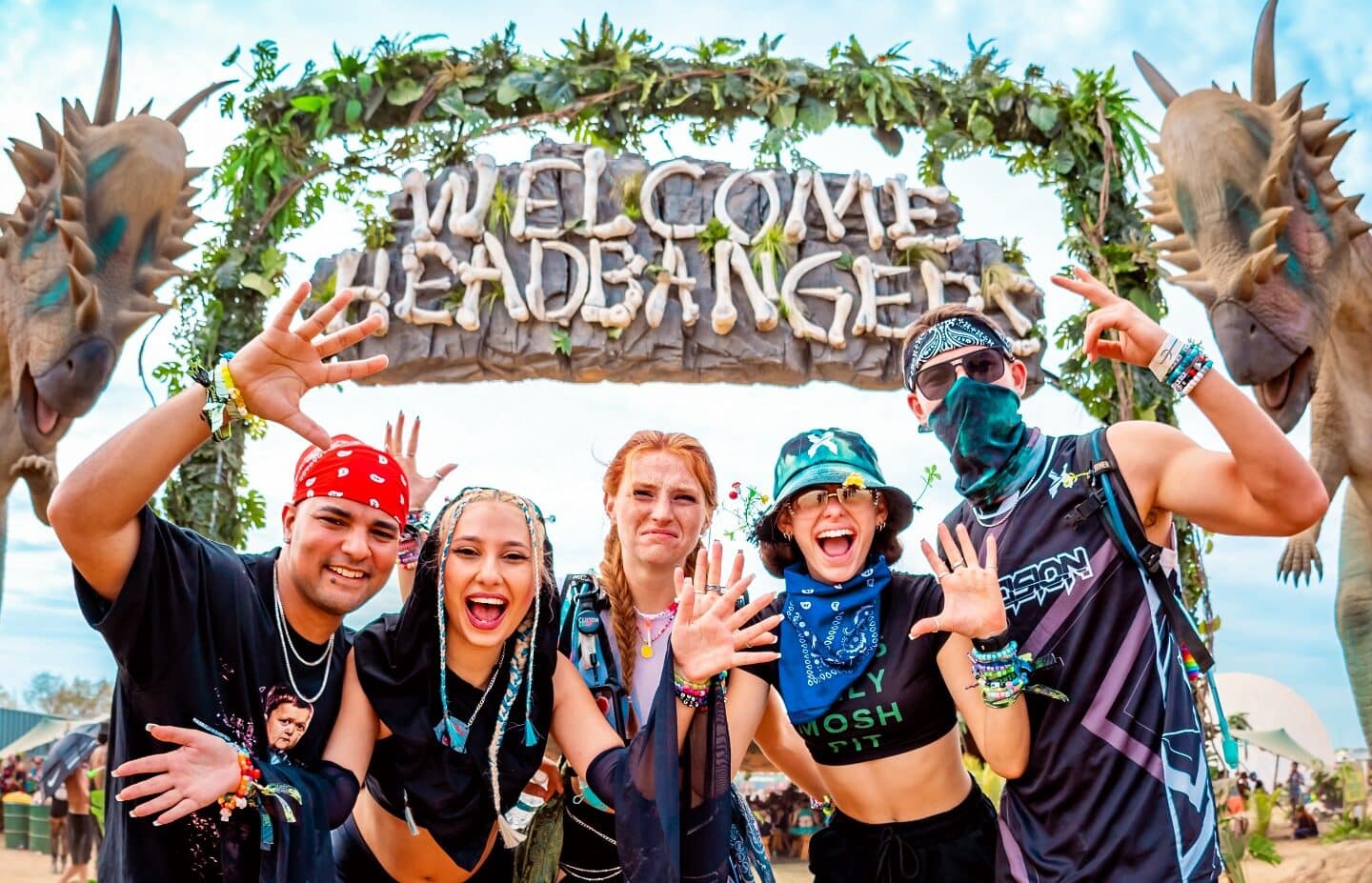
Lost Lands (or, as many call it, ‘Dubstep Disneyland’) pulls tens of thousands of bass heads to Legend Valley, Ohio, every September. Hosted by Excision Presents, the festival brings its prehistoric theme to life through bone-inspired signage and life-size dinosaur structures.
Attendees are even officially known as ‘Headbangers,’ united by their love of dubstep, heavy drops and, well, headbanging.
But Lost Lands’ devoted following isn’t just about the music or spectacle. For many, bass music is an escape, and the prehistoric theme transports them somewhere outside reality. The festival feels like a giant amusement park for adults, tapping into the bass community’s embrace of childlike play as an act of rebellion.
It’s the little things – the details that might seem random to an outsider but make perfect sense to someone in the community – that make Lost Lands special. People return because they feel seen by its creators, with their interests and identities reflected back at them. It’s a place to find like-minded people who might otherwise feel ‘othered’ for those same interests in everyday life.
Attending becomes more than going to a concert. It becomes an identity-affirming experience, a place that feels like home.
The brand takeaway: Build a world that reflects something meaningful about your audience. The details that make an experience feel personal are often what turn a one-time visit into a lasting connection.
In practice: Nike House of Innovation
Nike’s House of Innovation brings the brand’s world to life through immersive retail, local product curation and customisation. Its New York flagship even tailors parts of the shopping experience to the city and its consumers. Rather than simply displaying products, Nike creates a destination where people can see their interests and personal style reflected in the brand.
Design spaces that ignite connection
Getting people in the same room doesn’t mean they’ll connect. And giving someone an activity to do doesn’t necessarily give them a reason to engage with the person next to them. The best experiences create opportunities for connection that feel natural, rather than forced.
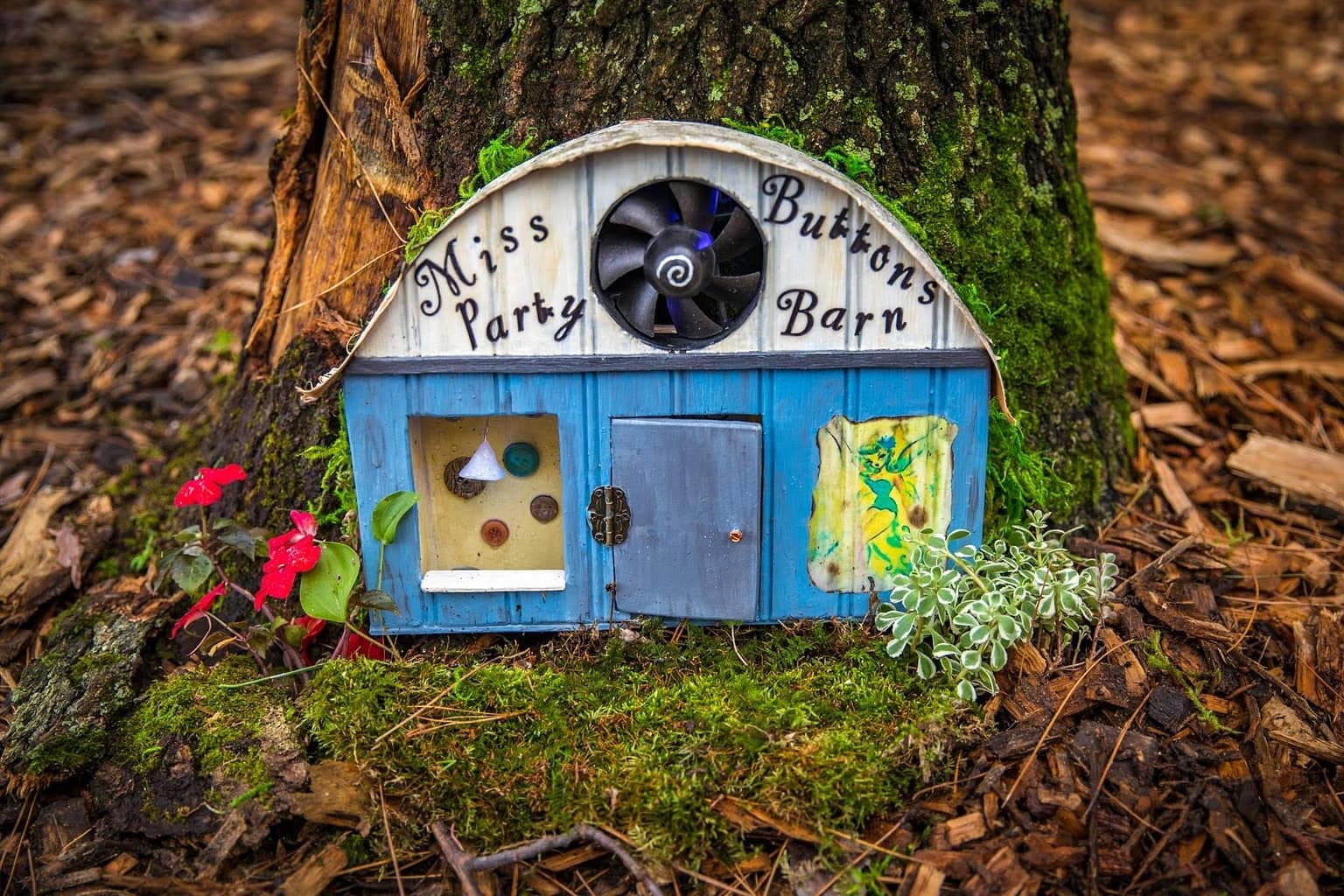
At Electric Forest, community is woven into the festival itself. Tiny fairy houses tucked throughout the grounds invite visitors to leave gifts and discover surprises left by others. The tradition, alongside the festival’s ‘The Forest Provides’ ethos, turns small, unexpected acts of generosity into shared moments between strangers.
These interactions work because they give people a reason to engage beyond the music. A gift left behind becomes a conversation starter; a surprise discovery becomes a story to share. No one needs to tell attendees to connect. The environment gives them permission to do so.
That’s an important distinction for experiential marketers. We can build the most impressive installation or interactive game, but if the experience begins and ends with an individual taking a photo or completing a task, we may be missing an opportunity. Think about how people will engage with one another, not just with the brand. Sometimes, the most memorable part of an experience isn’t what someone does, but who they do it with.
The brand takeaway: Design for human connection, not just participation. Give people a shared reason to interact, and let the relationships that form become part of the experience.
In practice: Heineken’s Group Chat Bar
In 2025, Heineken brought its Group Chat Bar to life, transforming a New York bar around Knicks player Josh Hart’s group chat. The activation reunited friends who rarely had the chance to meet in person, turning an everyday digital space into a real-world gathering. It’s a reminder that experiences can create value by helping people connect with each other, rather than making the brand itself the centre of attention.
Let the community shape the experience
The best community experiences strike a balance: organisers create the space for connection, but give attendees the freedom to shape what happens within it.
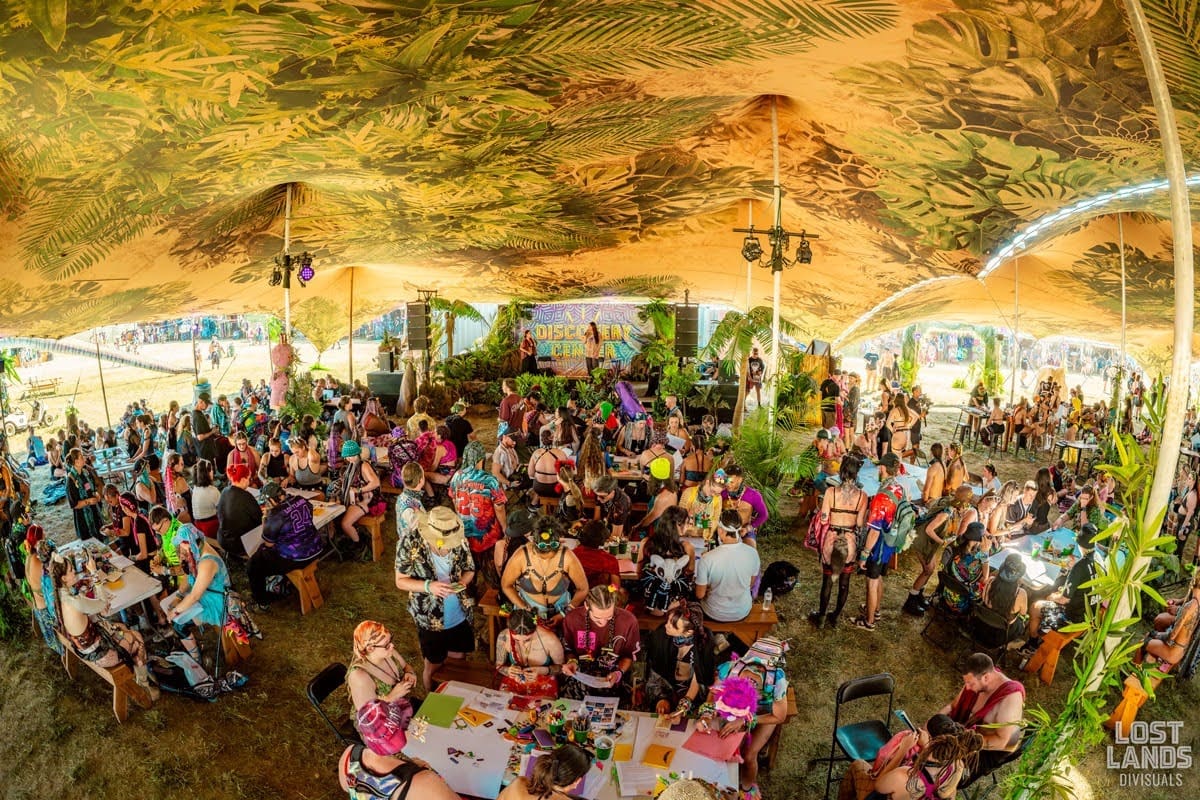
At Lost Lands, workshops and community-led activities give Headbangers opportunities to share their skills, interests and creativity with one another. The festival’s organisers help foster the culture, but attendees bring it to life. It’s not just a world built for the bass community; it’s one where the community has a role in shaping the experience.
That sense of ownership matters. When people have a role in shaping an experience, they become more invested in it. They have stories to share, contributions to point to and connections that extend beyond the event itself. The experience becomes something they helped make, rather than something simply handed to them.
For brands, that means knowing when to step back. Not every interaction needs to be scripted, every detail controlled or every outcome predetermined. Give people the tools, space and permission to contribute. Their ideas may take the experience somewhere you couldn’t have planned yourself.
The brand takeaway: Don’t just create an experience for your audience. Give them a role in creating it. When people see their own creativity and contributions reflected in the experience, they have a reason to feel invested in it.
In practice: LEGO House Masterpiece Gallery
At LEGO House in Denmark, the Masterpiece Gallery showcases extraordinary builds created by LEGO fans from around the world. The exhibition celebrates fans not simply as consumers of LEGO products, but as creators whose work can inspire others. It’s a powerful way to recognise the community that gives a brand its culture and invite them to help shape its story.
Bass festivals remind experiential marketers that connection doesn’t happen just because people occupy the same space. It happens when they feel understood, have meaningful ways to engage with one another and can leave their mark on something they care about.
My advice is this: get to know your audience. Do the dirty work. Learn how they see the world, how they speak to each other, what they unite under, how they gather and connect with one another, and use that knowledge to bring them together.
When authenticity shines through, you’ll create something worth coming back to.
This first appeared in Little Black Book, written by Lauren Smith, Strategist from our New York studio.
Behind the piece

More like this
June 18, 2026
How to win the World Cup off the pitch: A guide to fan experience that actually works