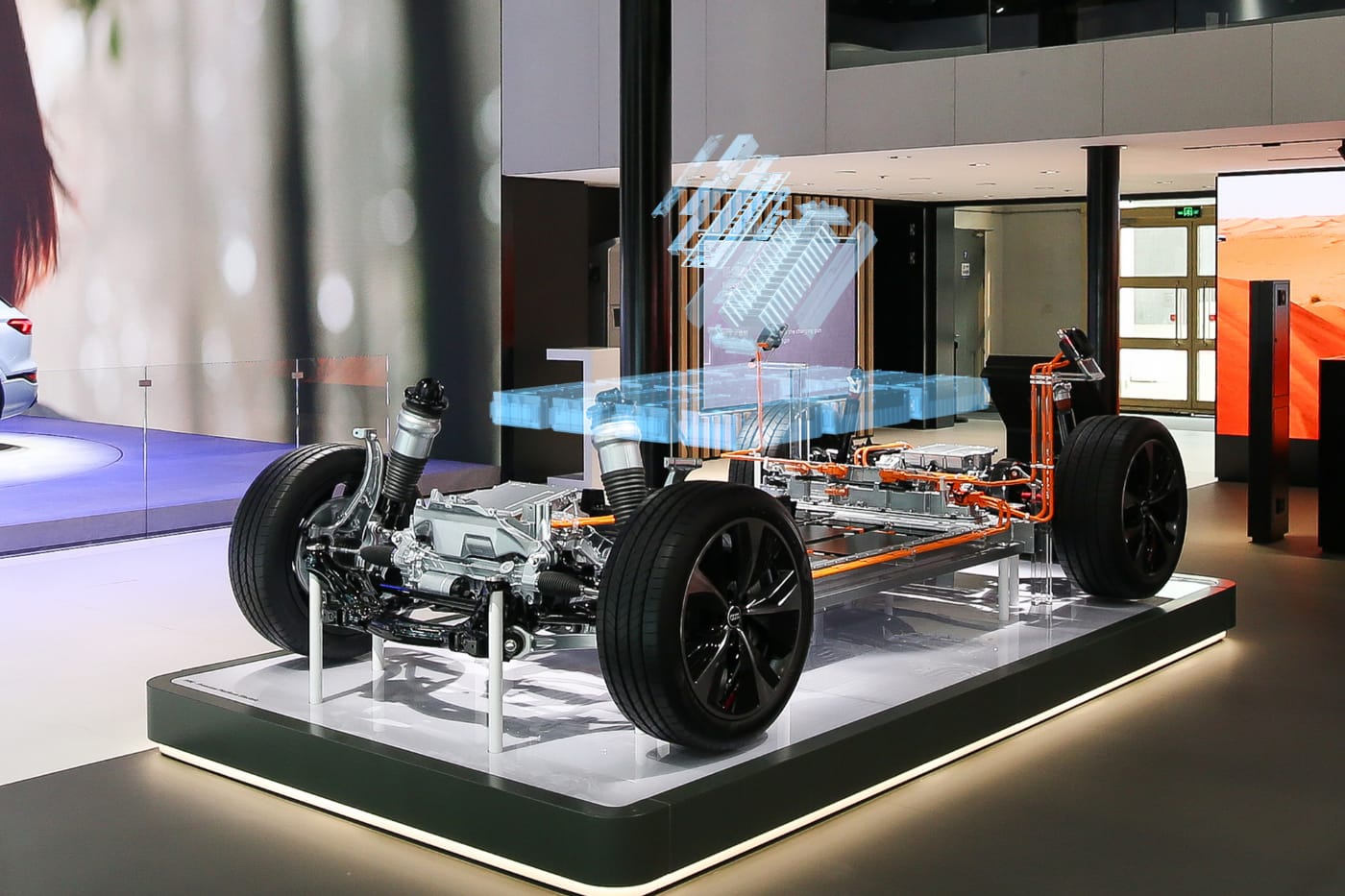
Here’s a wild stat: companies lose up to 40% of sales because of flat, uninspiring product demos. That’s right, all those static decks and brochures are basically snoring in 2D while your prospects are craving something a little more…alive.
Enter augmented reality (AR). Instead of showing a picture of a product, you let people spin it, stretch it, drop it into their office, or even blow it up to the size of a bus – all in the real-world environment they actually care about. It’s the difference between “here’s a drawing of a cake” and “here, take a bite.”
At Imagination, we’ve been playing (and winning) with this stuff for years, helping brands wow their audiences with brand activations that actually stick.
What’s AR, really?
Let’s keep this simple.
Augmented reality overlays digital information on the physical world. That means instead of telling someone about your product, you literally drop virtual objects into their user’s environment via mobile devices, smart glasses, or other AR devices.
- Want to show how a piece of machinery fits into a factory floor? Drop a 3D model right there.
- Selling furniture? Let customers plop that sofa into their living room before they buy.
- Training a new hire? Use augmented reality apps to guide them step-by-step, with instructions floating over the actual physical objects.
Unlike virtual reality, which locks you inside a closed headset, switching off the real world and replacing it with virtual ones, Augmented Reality keeps you in your own space but with extra layers of magic sprinkled on top.
Why now? (Spoiler: AR finally works)
Let’s be honest. The first wave of Augmented Reality technology was a bit clunky. Who remembers Google Glass? Cool idea, terrible execution. And those early head-mounted displays? More headache than headway.
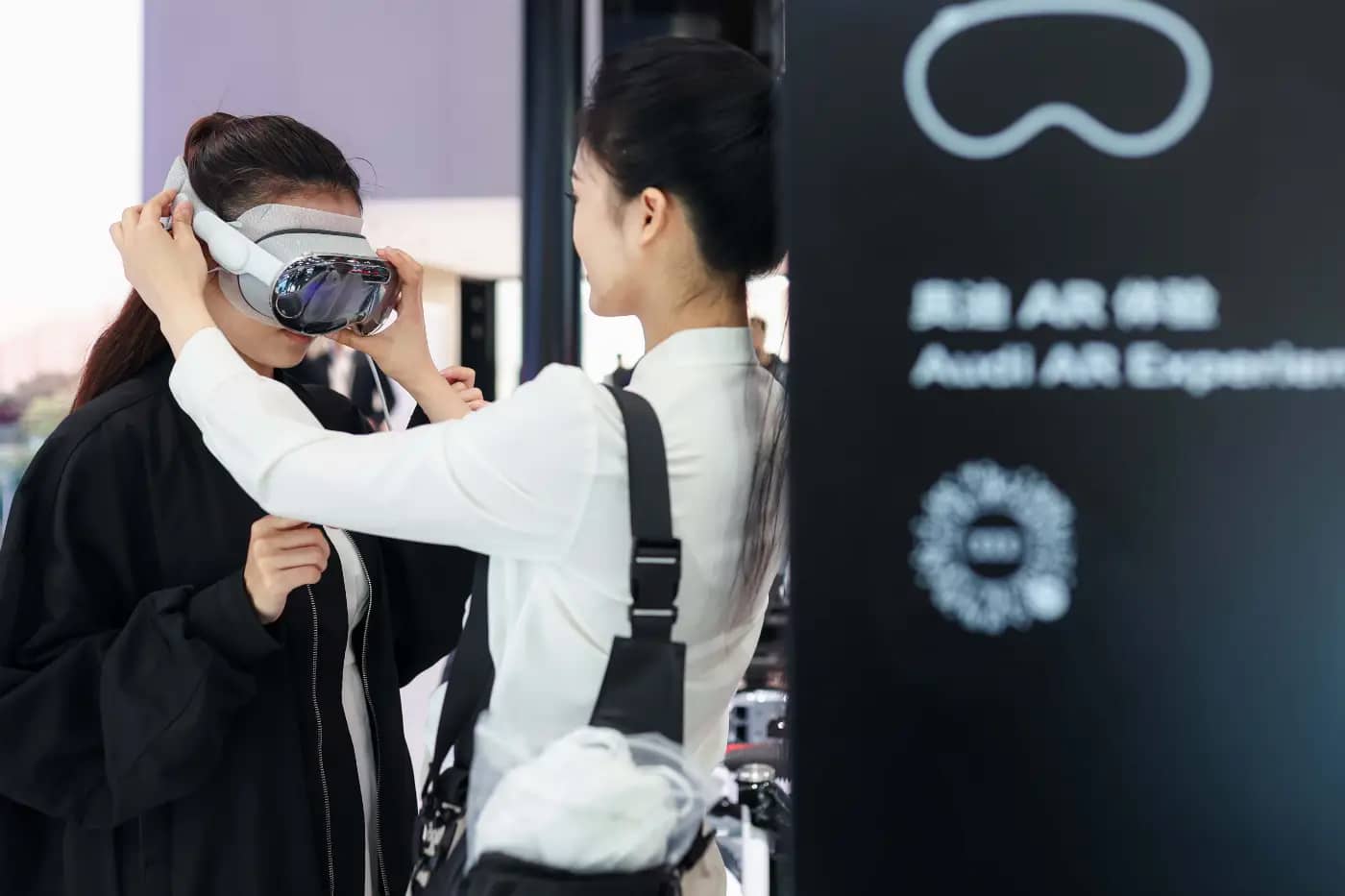
Fast forward to today. We’ve got slick AR hardware like Apple’s Vision Pro and their user friendly software Apple ARKit, as well as Google’s SDK ARCore. We’ve got the cloud, faster mobile devices, and computer-generated digital content that doesn’t glitch every five seconds. Translation: AR is now not just shiny, but genuinely useful.
And businesses are ready. Whether it’s sales, training, or events, buyers are expecting immersive experiences that help them see, feel, and trust your product in the real world.
Industries already winning with AR technology
We’ve seen it firsthand. Across many industries, AR is quietly becoming a superhero:
- Automotive: We helped clients project cars into driveways via AR. Resulting in a 27% boost in sales conversions. Customers could walk around the car, open the doors, and even change the colour on the spot.
- Industrial training: AR instructions floating over machinery reduced errors by 35% and halved training times. (And yes, people actually had fun doing it.)
- Healthcare: By creating digital twins of medical devices, we helped surgeons-in-training practice delicate procedures with real-time data. Zero risk. Maximum confidence.
- Museums and exhibitions: For museum visitors, AR turned dusty displays into interactive storytelling in creative ways . Dwell times doubled. Smiles multiplied.


The magic use cases
Sure, AR looks cool but here’s how it actually moves the needle:
- Sales demos that sell themselves: Don’t just talk about your product, let customers play with it in their real world environment.
- Training that sticks: AR overlays serve up sensory information where it’s needed most – in the user’s field, right on the physical object they’re working with.
- Remote collab that works: With spatial computing, teams can gather around a virtual model of a finished product, even if they’re on different continents.
- Brand activations with actual buzz: From retail pop-ups to global expos, AR-powered interactive experiences stop people in their tracks, overlaying virtual worlds with real world objects.
Looking ahead: The future of B2B AR
Here’s where it gets exciting:
- AR Cloud and Spatial Computing will let you create persistent AR layers that teams can access anywhere.
- CRM Integration means AR won’t just wow but it’ll feed your sales engine, with personalised data shaping future digital content.
- Pilot Programmes: You don’t have to go big straight away. Start small, experiment, and scale what works.
Remember, AR requires more than cool hardware. It’s about strategy, storytelling, and creative execution, the sweet spot where Imagination thrives.
Measuring what matters
Yes, conversions are key but AR also boosts:
- Engagement time (customers stick around longer).
- Brand recall (they actually remember you).
- Loyalty (they come back for more).
- Efficiency (less error, faster learning).
Think of it as measuring smiles and sales.
Ready to play with AR?
We’ve seen augmented reality AR transform B2B and B2C sales pitches, training rooms, and live events. And we’ve seen brands win big when they stop treating AR as a gimmick and start treating it as a strategy.
If you’re curious what Augmented Reality could do for you, let’s talk.
Behind the piece

More like this



September 24, 2026