Most people think content production for live events is about the visuals. Films, motion graphics, slide decks, animations. In reality, that’s only part of the job.
A big part of producing content for live environments is designing the system that delivers it. Not just what appears on screen, but how it gets there, how it behaves throughout the day, and how it responds to what’s happening in the room.
Most large-scale event experiences are not powered by a single piece of software or a single operator. They are made up of multiple everyday tools. Presentation software, media servers, switchers, live feeds, etc. All stitched together into something that feels like one seamless output. The production challenge is turning that collection of tools into a coherent system.
Thinking beyond the deliverables
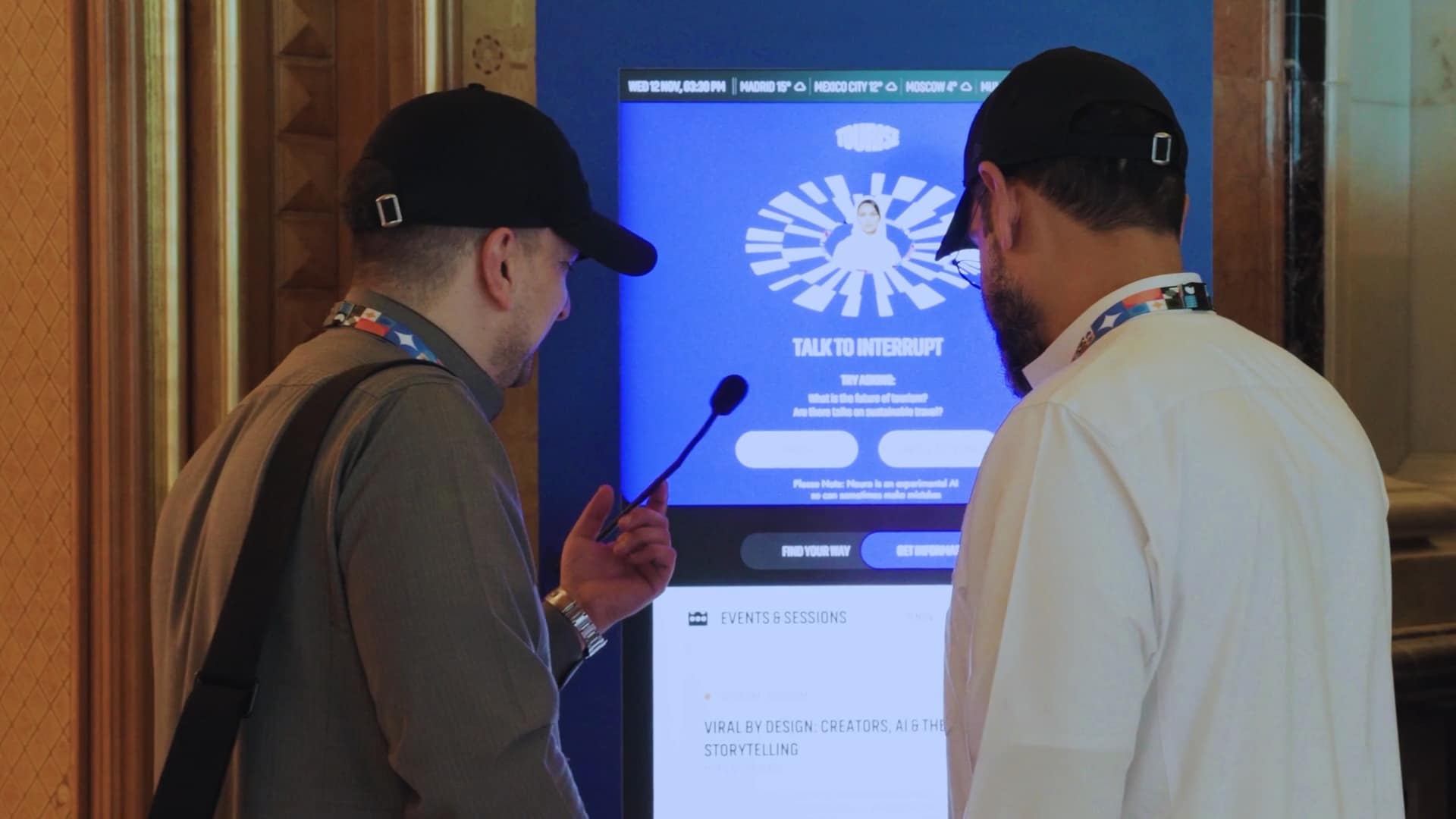
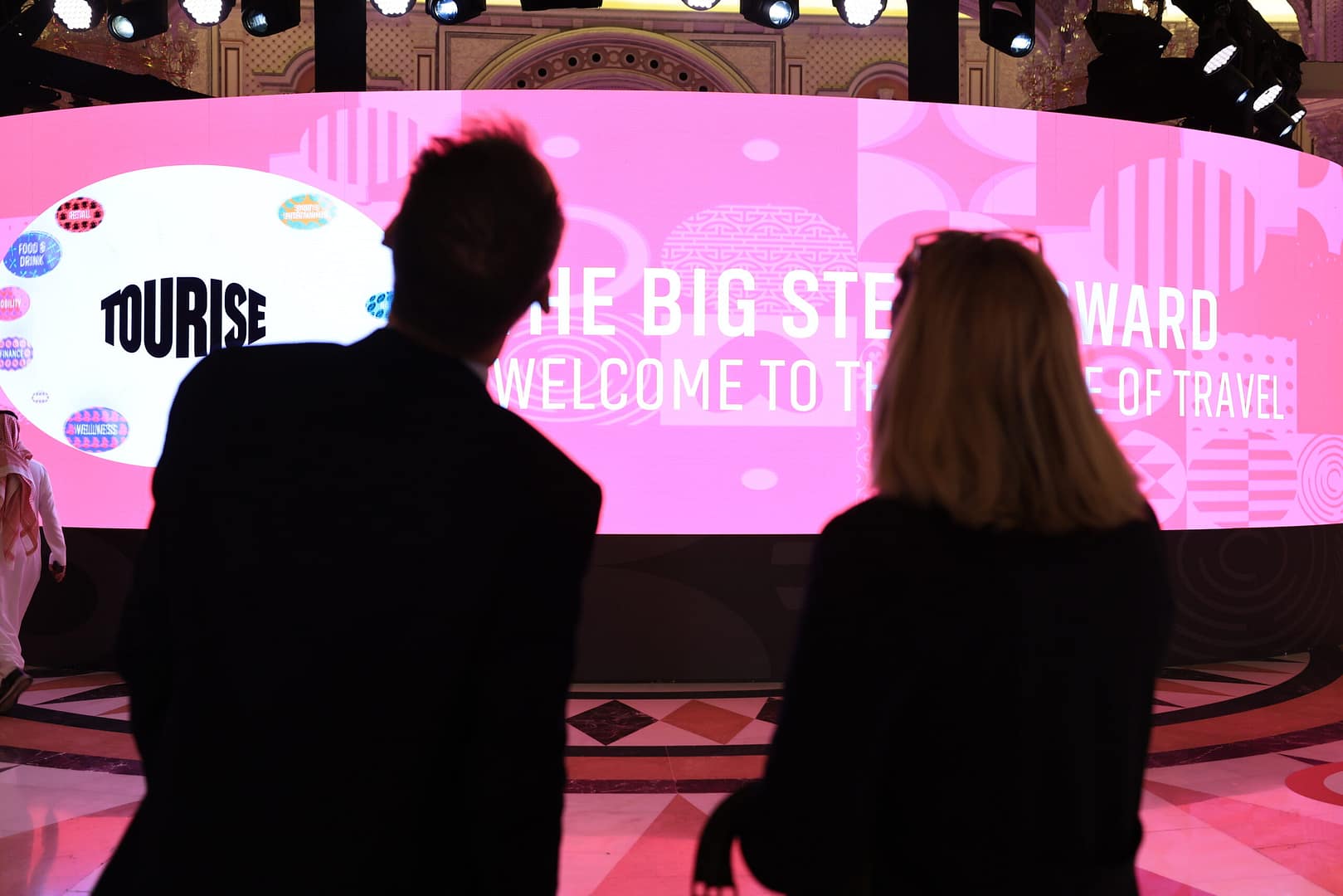
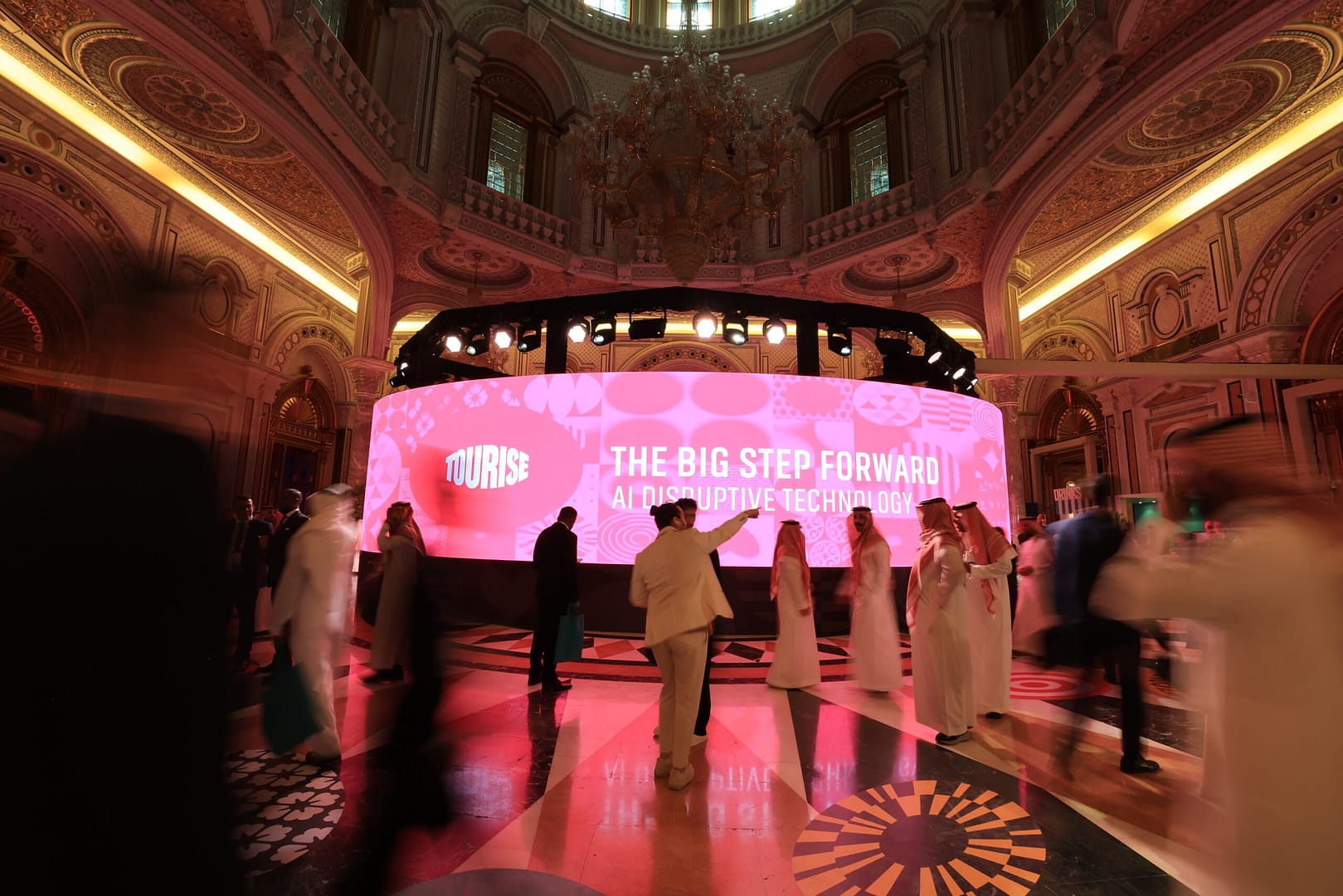
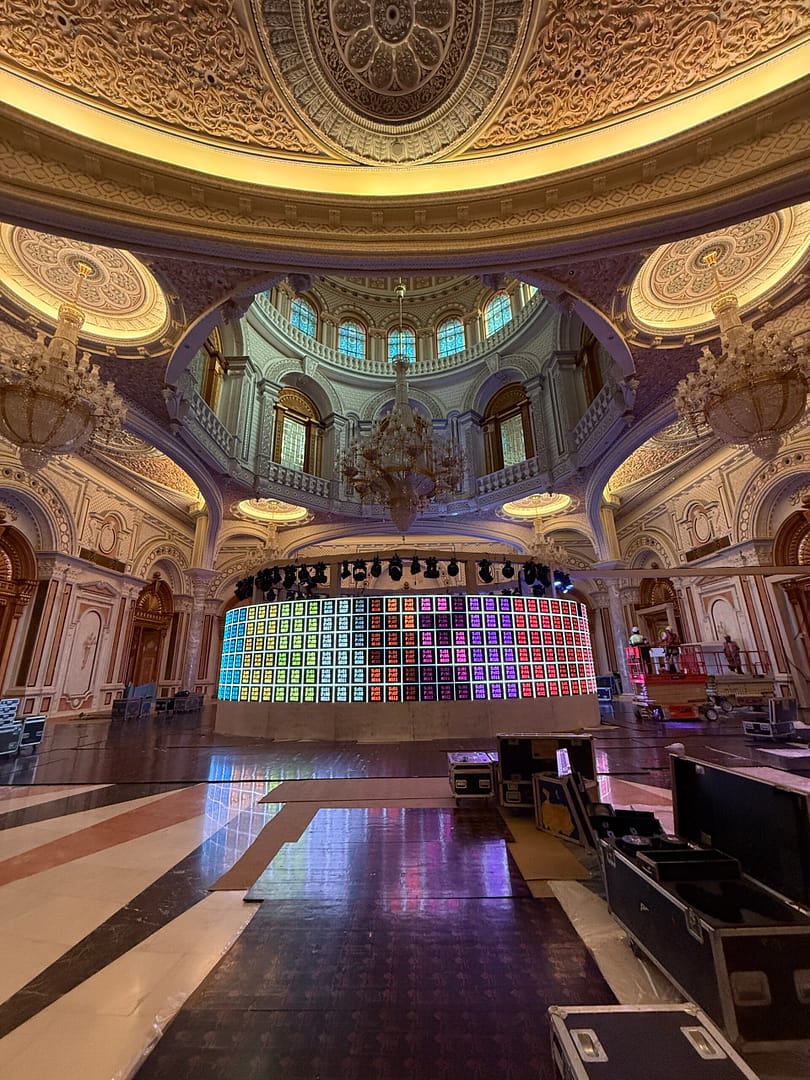
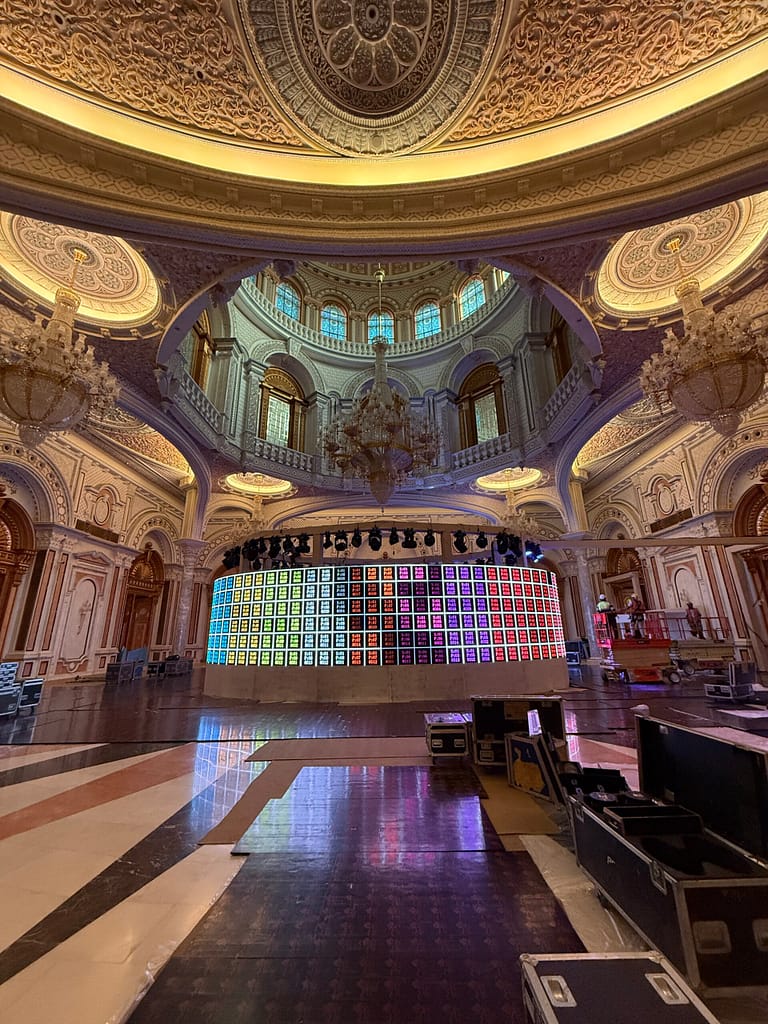
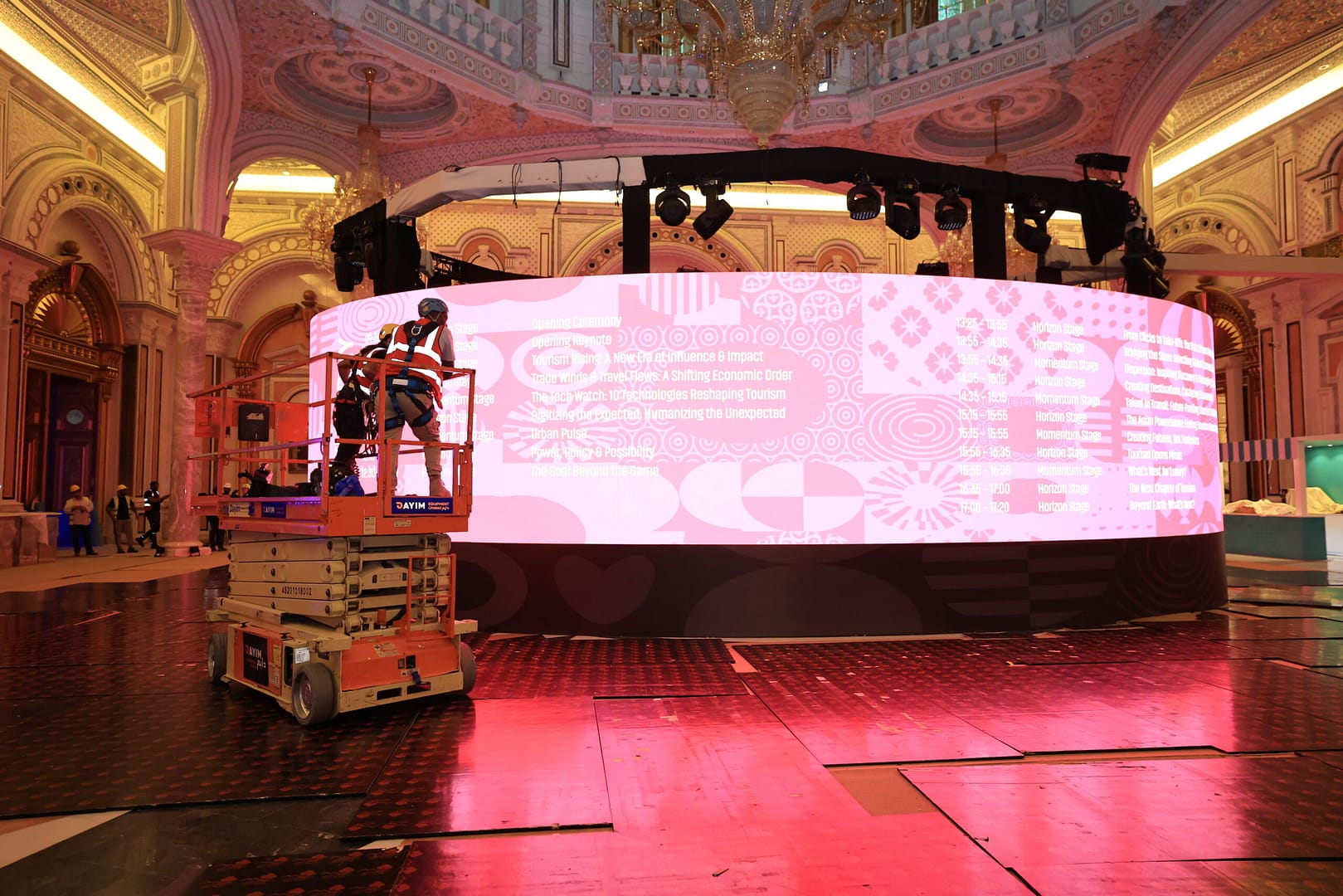
On a recent project, we created a large-format LED installation for the TOURISE summit. It sat at the centre of the venue and combined schedules, live camera feeds, editorial content and sponsor messaging into a single, always-on display.
It’s easy to approach something like that as a list of deliverables. A film, a schedule layout, a set of sponsor assets. In a live environment, those assets need to work together, transition cleanly, and hold up across hours of continuous playback.
That means thinking about things like:
- What runs automatically and what needs to be triggered live
- How content loops without feeling repetitive
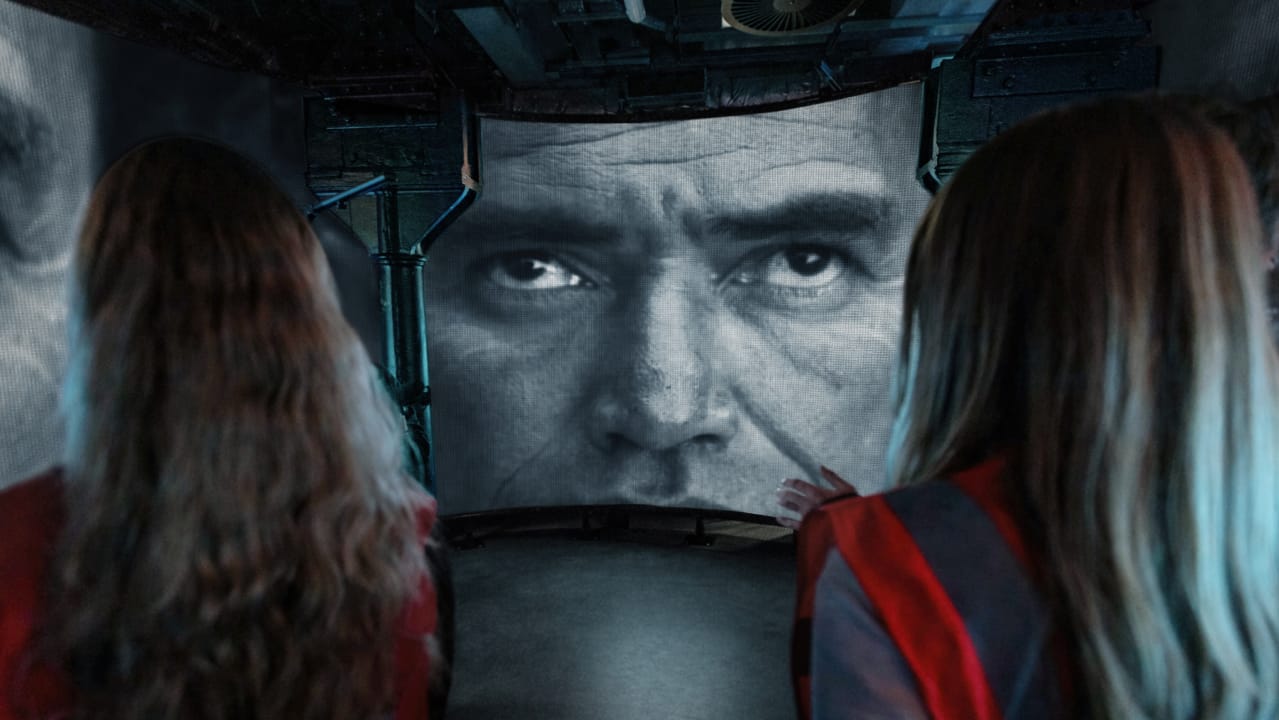
- How different sources such as slides, video, and a live camera sit together visually
- How quickly the system can respond to last-minute changes
None of that is solved by the content alone. It comes from how the system is designed.
One system, many tools
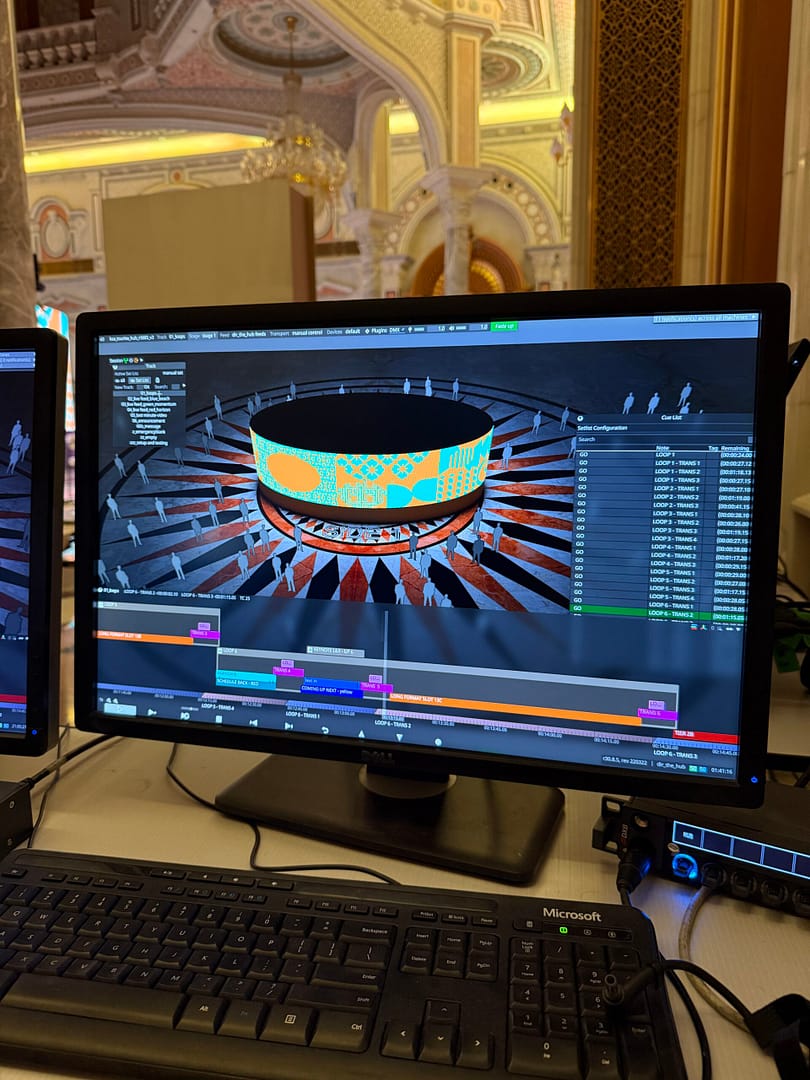
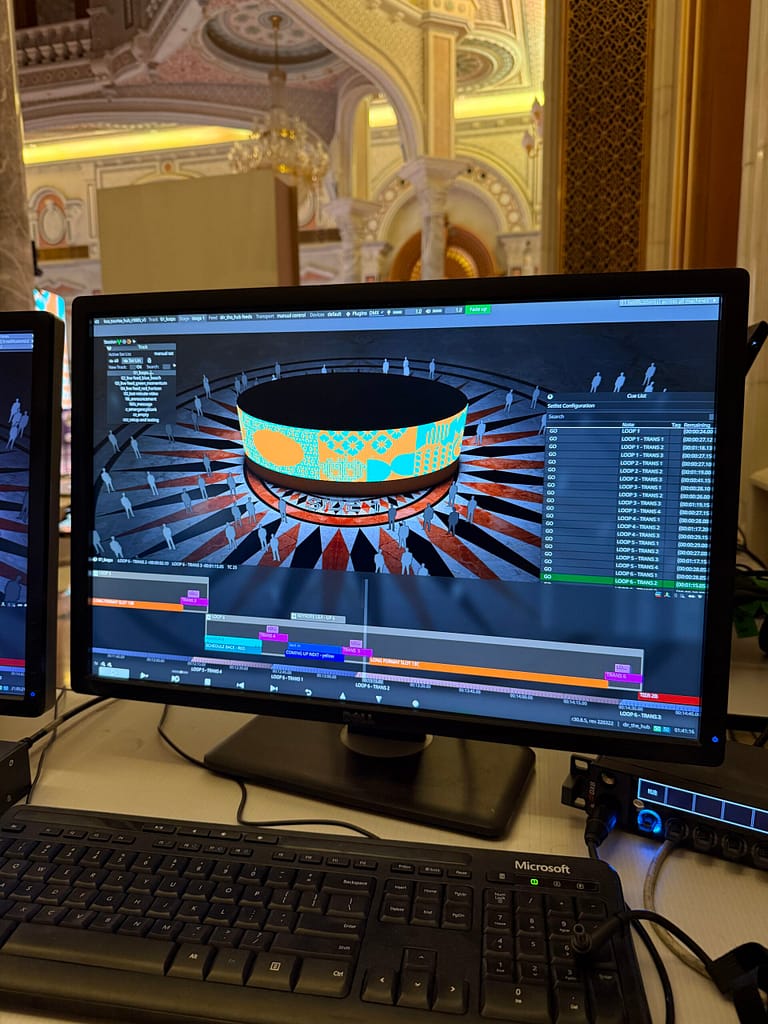
On that project, the display wasn’t powered by a single tool. It was a combination of presentation software, a media server, and a switcher working together. Presentation software handled flexible last-minute content, the media server managed playback and compositing, and the switcher controlled how different inputs, including live feeds, were brought into the system.
Different operators were responsible for each part, but to the audience it needed to feel like one thing. The key was defining clear roles within the system.
An automated loop handled the always-on content, covering things like schedules and background storytelling so the screen never went blank and didn’t rely on constant operator input. Alongside that, live-triggered states allowed the team to override the system instantly when something important was happening, whether that was a live camera feed, an announcement, or a piece of messaging.
That separation between automated and live control is often what makes these setups work. It creates a stable baseline while still allowing for flexibility.
Designing for reality
The system has to reflect how events actually run. Things change constantly. Content gets updated, timings shift, and someone will always ask for a last-minute change just before it needs to go live.
On one live music project, we had content signed off days in advance by all parties, only to be asked about 20 minutes before doors opened to remove an entire scene from a performance. It was the kind of request you would normally push back on, and we did, but the nature of the change meant that not doing it risked stopping the show in its tracks.
Having worked across a wide variety of projects at Imagination, you start to assume that a client change request might happen on short notice. Because of that, the system had been built with a worst-case scenario in mind. The content was structured in layers, which meant we could not only remove the section quickly, but also piece together a new one using existing elements without breaking playback or drawing attention to the change.
The easiest approach would have been to ask for the content to be delivered as a single, final composition. Instead, I always ask animators to break things down into layers, especially the parts I think are most likely to change. It adds a bit more complexity during production, but it’s what allows you to respond to these kinds of last-minute requests without everything falling apart.
If the system is too rigid, it breaks under that pressure. If it’s designed properly, those changes are absorbed without the audience ever noticing. That usually means building in redundancy, keeping content modular, and using familiar tools such as presentation software where speed and flexibility matter most.
Where the value really sits
From the outside, these experiences often look like just a screen. But most of the work sits behind it, in the planning, the integration, and the decisions about how different pieces of technology and content interact.
That is where production shifts from making assets to designing experiences, and that is usually the difference between content that simply plays, and content that actually works in a live environment.
Behind the piece

More like this