
For years, marketers have fixated on the Attention Economy – fighting for a few more seconds of a consumer’s scrolling time. But the mood is shifting.
Analysts now suggest we’ve passed “peak social media,” noting a drop-off led, surprisingly, by younger generations. We’re moving from an attention economy to a connection economy. Whether it’s algorithm scepticism and ragebait fatigue or a hunger for real community, people are starting to prioritise quality time with others in the real world, rather than endless time online.
This shift is an opportunity for brands. According to new independent research involving 2,000 US and UK consumers, the appetite for In-Real-Life (IRL) engagement is not just growing; it is evolving into a new form of marketing opportunity. The data reveals that 67.5% of consumers are enthusiastic or open to paying for experiences from brands that match their interests.
This flips the traditional view of brand experience as a cost-based channel that should be ‘free to use’ and opens the door to experiences becoming a value proposition in their own right, where brands can be the main event, and where people actively seek them out. Creating a different commercial logic and a different value equation.

What types of experiences are we talking about?
As the lines blur between straightforward leisure propositions and brand-led entertainment, a number of broad categories have emerged:
Exhibitions and Immersives
Once the domain of cultural institutions, some brands have become credible players in their own right, or in partnership – think brand museums like Ferrari World or Guinness Storehouse, brand exhibitions like Cartier or IP-led immersive experiences like Mustang Immersive.
Skills and hobbies
Experiences where people learn new skills or practice crafts – from arts and crafts such as MUJI Workshops and Tiffany & Co. jewellery-making experiences, to skills masterclasses like Ford Go Faster.
Competitions and competitive socialising
From leisure-led offers like Monopoly lifesized or Puttshack, through to physical challenges like the Red Bull 400 and Lululemon Sweatlife Festival.
Performances
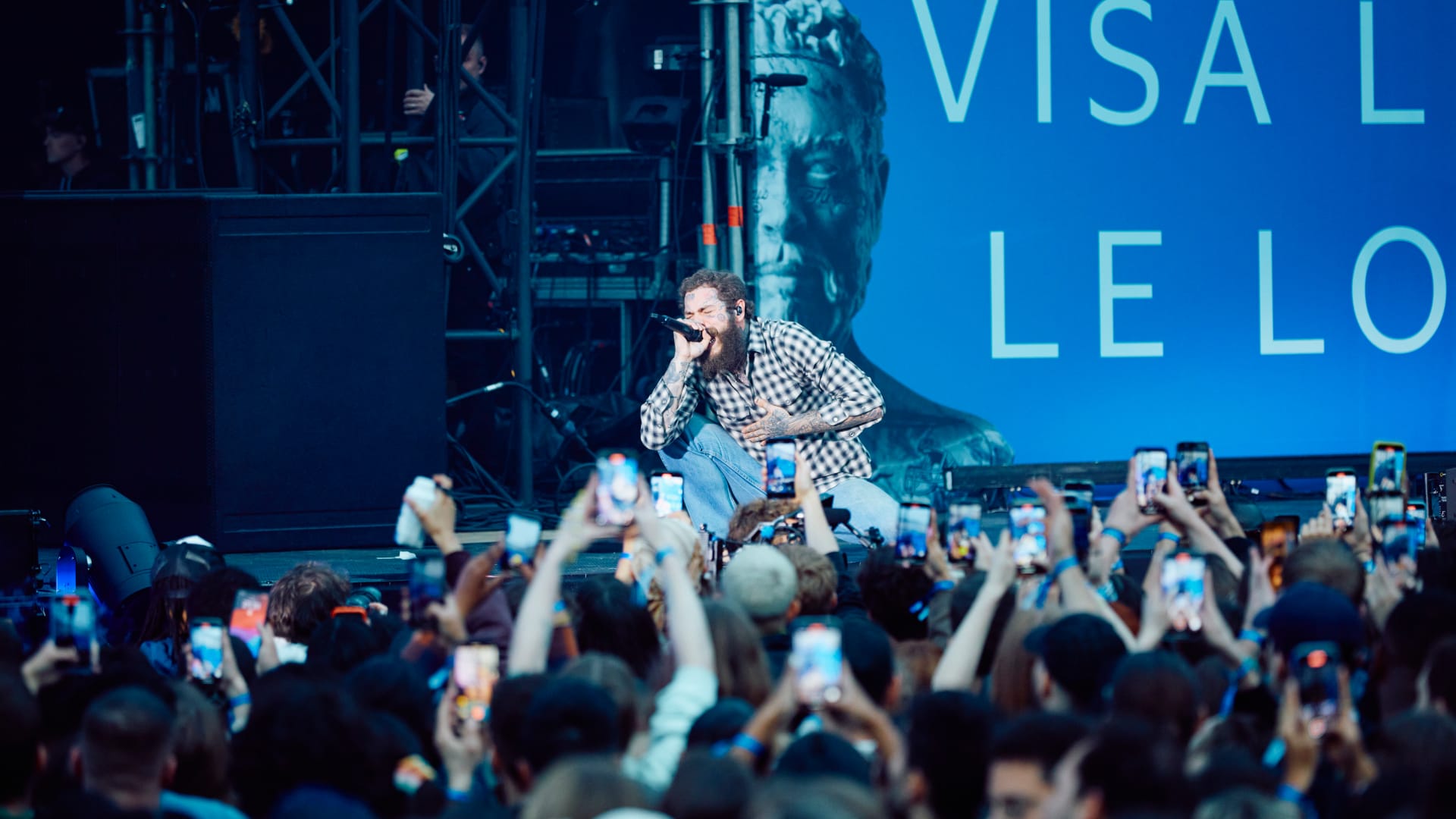
Where brands stage performances and concerts, like the YouTube Music Nights and Visa Live series.
Hospitality, travel and tourism
Experiences that include gastronomy, wellness and broader tourism offers – including the likes of NatGeo Expeditions, Dior Spa and Aesop Skin Labs.
The neuroscience of IRL – why experiences work for brands in the short and long term
Why are these experiences more valuable for brands as a marketing platform? The answer lies in how the human brain processes experiences and memory. While digital content is fleeting, physical experiences are sticky.
According to Harvard research on emotional engagement, customers who are fully emotionally engaged are 52% more valuable to a brand than those who are not. This value is rooted in biology.
When we are fully engaged in experiences, the amygdala in our brain tags that experience with emotional relevance. This signals the hippocampus, the brain’s “memory-maker,” to encode the experience into stronger, long-term memory.
Over the long term, it adds up to salience – at the point of decision or purchase, these memories are more likely to trigger preference for that brand over others.
In the short term, the argument is about fueling the word-of-mouth engine. Creators are a critical channel for reach and trust. However, creators need content – they need “fuel” for their stories. IRL experiences provide the backdrop for this content.
Experiences also drive word of mouth amongst trusted friends and family groups: as proof, simply look at the camera roll on your phone: notice how often you choose to share pictures of experiences that you’ve had and “things you’ve done” IRL.
The pivot to paid: The value exchange
The most radical finding in the new research is the viability of the paid model. But why charge?
From a commercial point of view, it creates options for marketers to offset budgets, create self-funding campaigns or even new profit centres.
But it also drives effectiveness, because psychologically, when people pay for something, they value it more. A ticketed event is a filter for high-engagement, high-intent consumers – the audience is literally invested. But this comes with a responsibility: the “value exchange” must be calibrated perfectly. If a brand asks for an entry fee, the experience cannot just be a glorified advertisement.
Research indicates that this “It’s Worth It” factor relies on three pillars: Uniqueness, Access, and Exclusivity.
- Uniqueness: The appeal of IRL is that it’s temporary, totally of the moment. Consumers expect something they can’t get elsewhere, can’t see online. For example, the Mustang immersive experience offered fans a chance to get up close to original cars featured in movies like Gone in 60 Seconds.
- Exclusive Access: This could be early access to new launches or VIP-style “behind the velvet rope” moments. Visa, for instance, has capitalised on this by staging concert series in unexpected, high-prestige locations like the Louvre and the Kennedy Space Center.
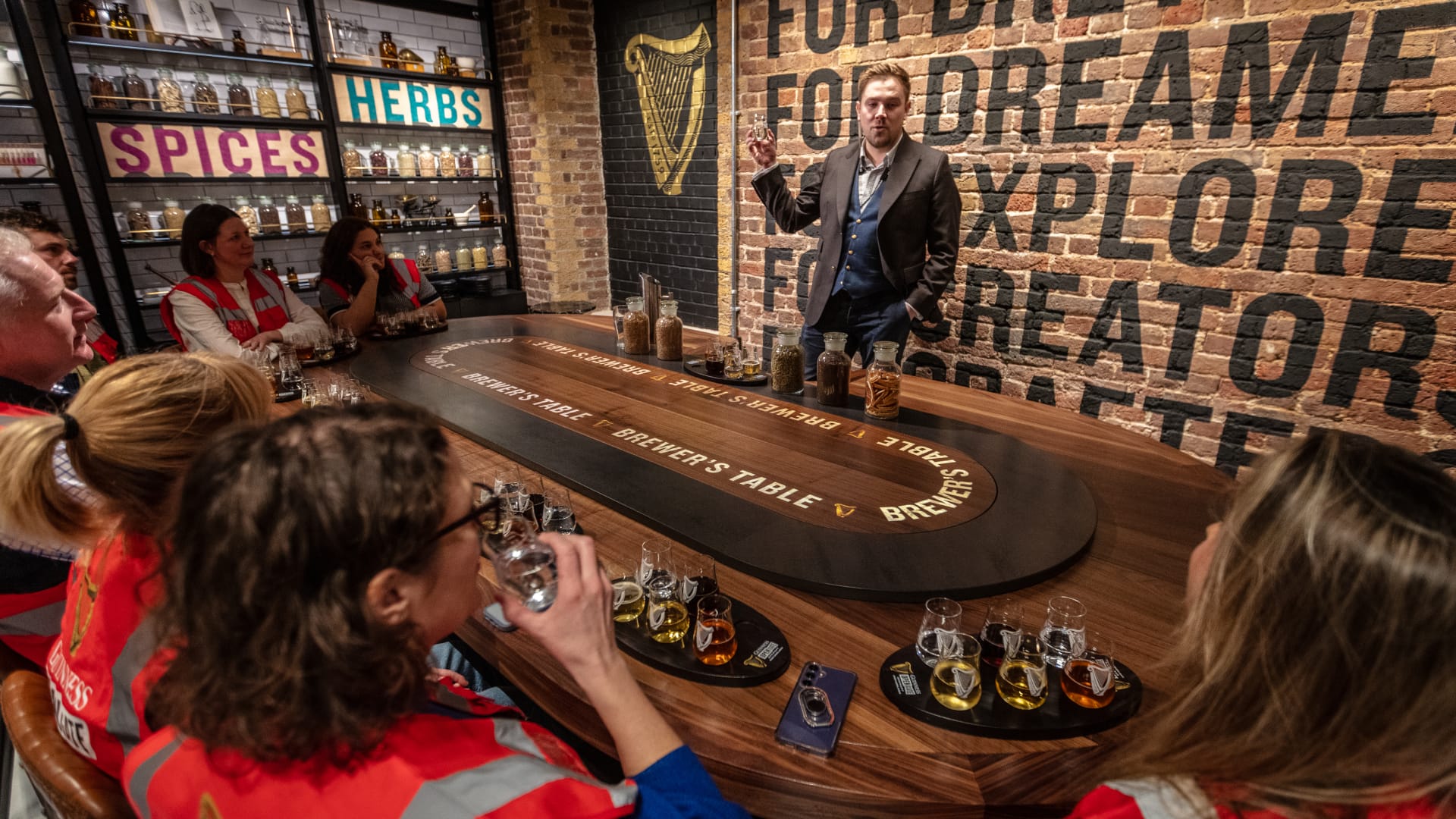
- Collectibility: Limited-edition merchandise turns a memory into a tangible artefact and bragging rights. Merch sales can also significantly add to the bottom line. Guinness Open Gate Brewery in London drives value by allowing visitors to taste exclusive beers available nowhere else, paired with limited-edition merch.
The future is hybrid
The growth of the experience economy shows no sign of slowing. By combining the reach of the creator economy with the power of experiential memory, brands have a golden opportunity to engage targeted segments.
When a consumer attends a brand’s run club, art exhibition, or masterclass, the association shifts from “a product I buy” to “a part of who I am”.
In the connection economy, the brands that win won’t just be the ones we see in our feeds. They will be the ones we make plans to see in person, with the people who matter to us.
This article first appeared in Decision Marketing written by, Tom Gray, Global Chief Strategy Officer from our London studio.
Behind the piece

More like this
January 29, 2026