Many painters are afraid of the blank canvas, but the blank canvas is afraid of the truly passionate painter who dares.
Vincent Van Gogh to his brother Theo in 1884
In many ways, as experience designers, we face a different kind of courage. The courage to slow down and notice what is already there, paying attention to the story that a location or site is already telling.
A site without buildings is not a site without identity. Every site is already covered in marks: topography shaped over centuries, land that has witnessed generations, an environment that has held and expressed the lives of communities long before anyone thought to build on it.
So what happens when we stop treating site analysis as a box to tick before the ‘real’ design work begins? What if it became the creative act itself and the most distinctive places aren’t designed on a site, but designed from one?
1 – Every site is already telling you something
Every site holds layers that are invisible to a masterplan but if we look closely at its history, culture and landscape, those layers become the seed for the design principle and the foundation of the placemaking and story behind an experience or destination.
The memories a community holds of the site, the names locals use that never make it onto official maps, the particular atmosphere that exists to what stood there before and transformed day after day. The story is always there and discovering it is where design begins.
2 – Stop designing for ‘anywhere’
If the same masterplan or experience works equally on different sites, is it truly responding to any of them? If a design could be lifted and dropped into different cities or locations, then the design becomes a template. It lacks any real response to place, can go anywhere, which ultimately means it belongs nowhere.
This isn’t just a creative failure but a commercial one too. Without specificity, places struggle to be memorable, meaningful or valuable and people have little reason to return.
3 – Place is not another phase
The journey may look different depending on the format but the discipline is the same. A pop up that tells the same story in London as it does in Los Angeles isn’t answering to the place it’s in. The experience needs to be built from what’s specific to that site and feel like it could only ever have happened there. An event that returns year after year needs to revisit what made it right the first year, rather than repeat it. A permanent destination with temporary programming needs to retain its sense of permanence and legacy while its seasonal installations and rotating exhibitions remain culturally relevant and locally resonant.
Across every format, the site has to be treated as a discipline, maintained for as long as the experience exists rather than a means to a single moment such as an initial concept or an opening event. Ultimately, everything comes back to the key question: does the experience respond to where it is and how will the design continue to fuel the life of that place?
Originality isn’t invented, it’s found
So we circle back to courage – the courage to sit with a site long enough for it to stop looking blank at all. To ask what this place has survived, celebrated, forgotten and decide what it needs next.
Because originality rarely comes from invention alone. We’ve been taught to believe the most original teams are the ones who create something from nothing. They’re not. The real courage is allowing what’s already there to shape every decision that follows. Not just at the concept stage, but all the way through, in every format and at every scale.The most original thing we can do as designers and strategists isn’t to imagine something new. It’s actually to pay enough attention to discover what everyone else has missed.
This article first appeared in Advertising Week written by, Juman Sleiman, Strategy Lead from our London studio.
Behind the piece
More like this

September 24, 2026
Beyond the viewport: Why the real world always re-writes your render
September 01, 2026
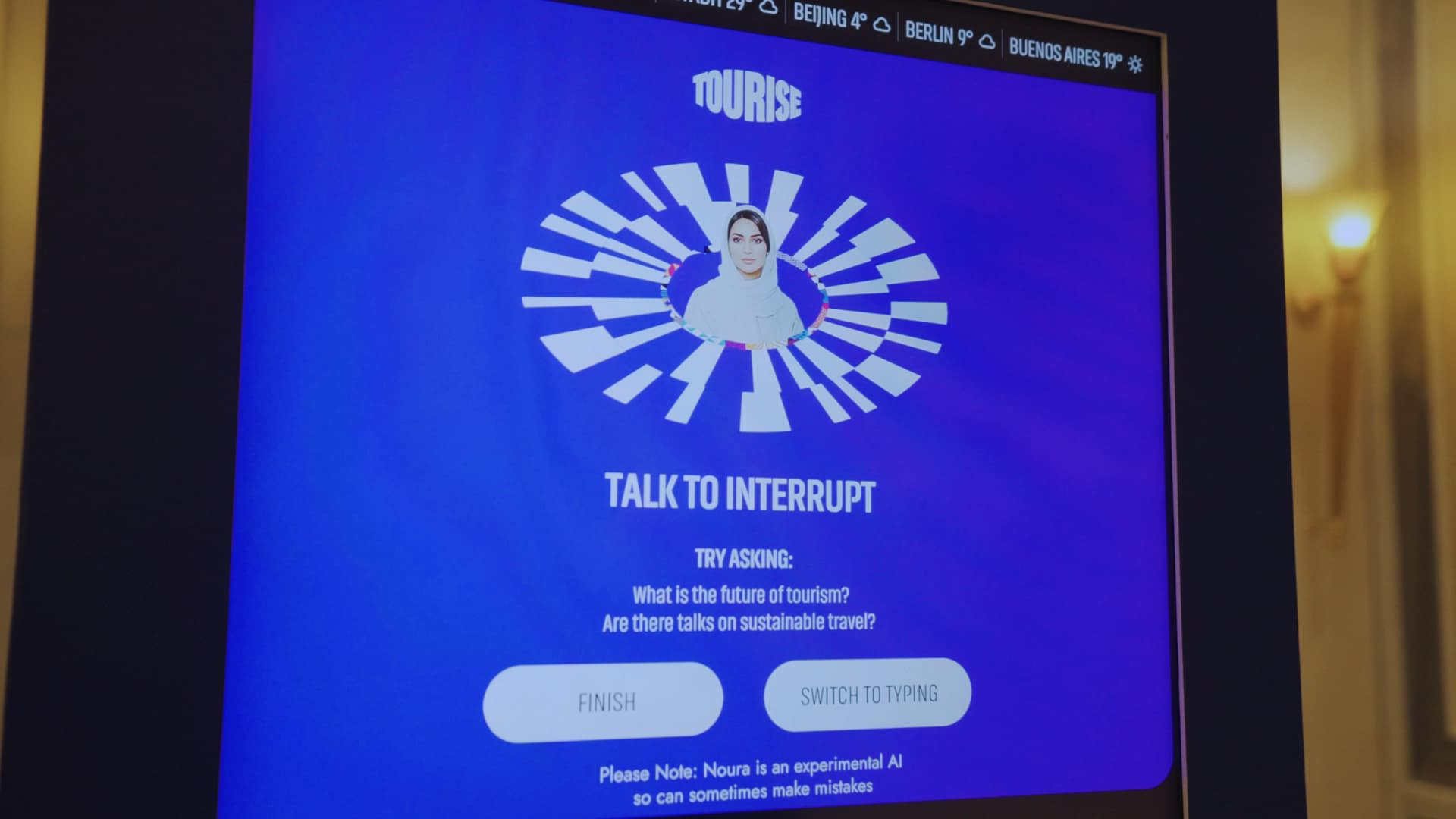
Why the smartest brands are already experimenting with conversational AI