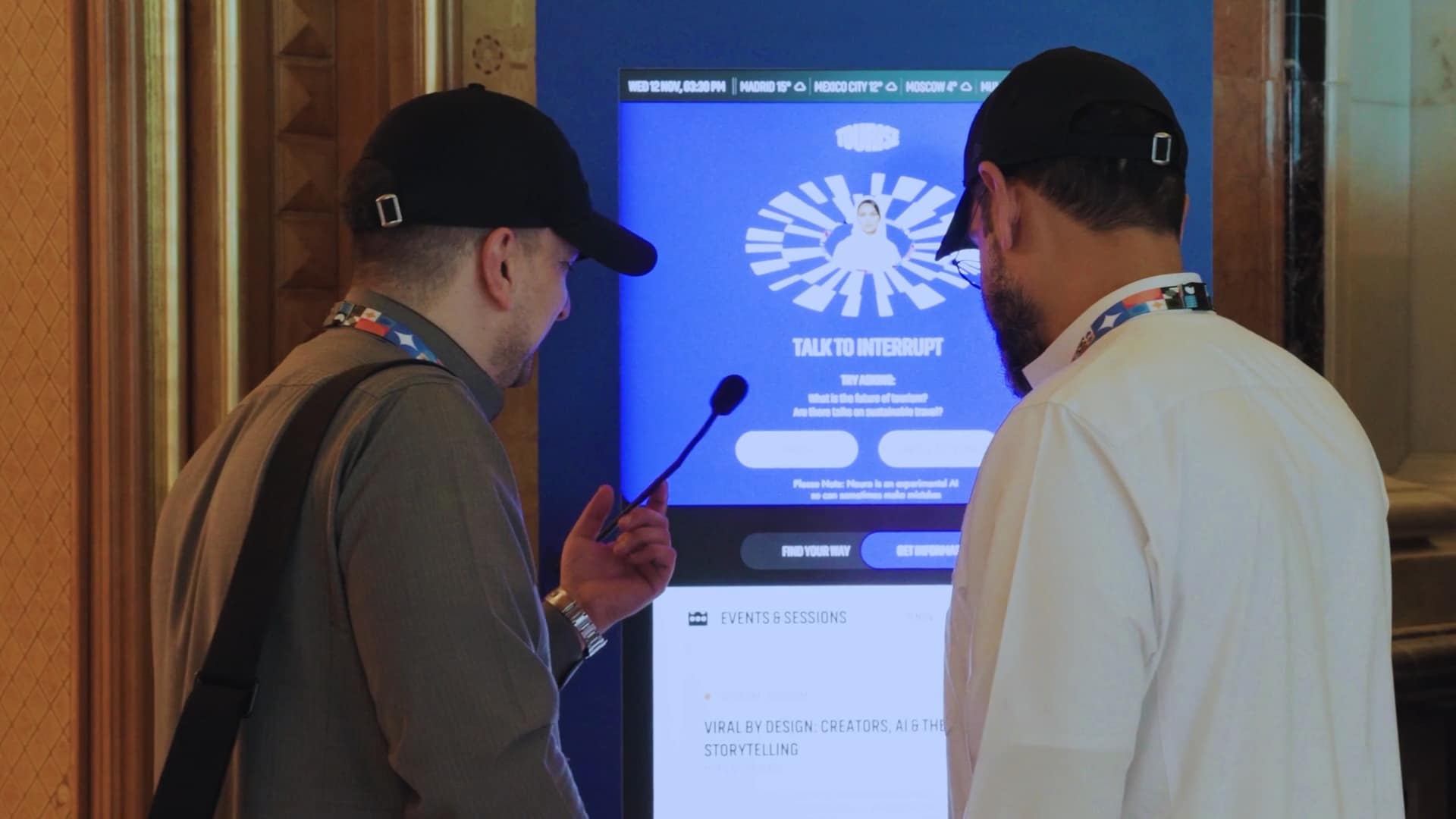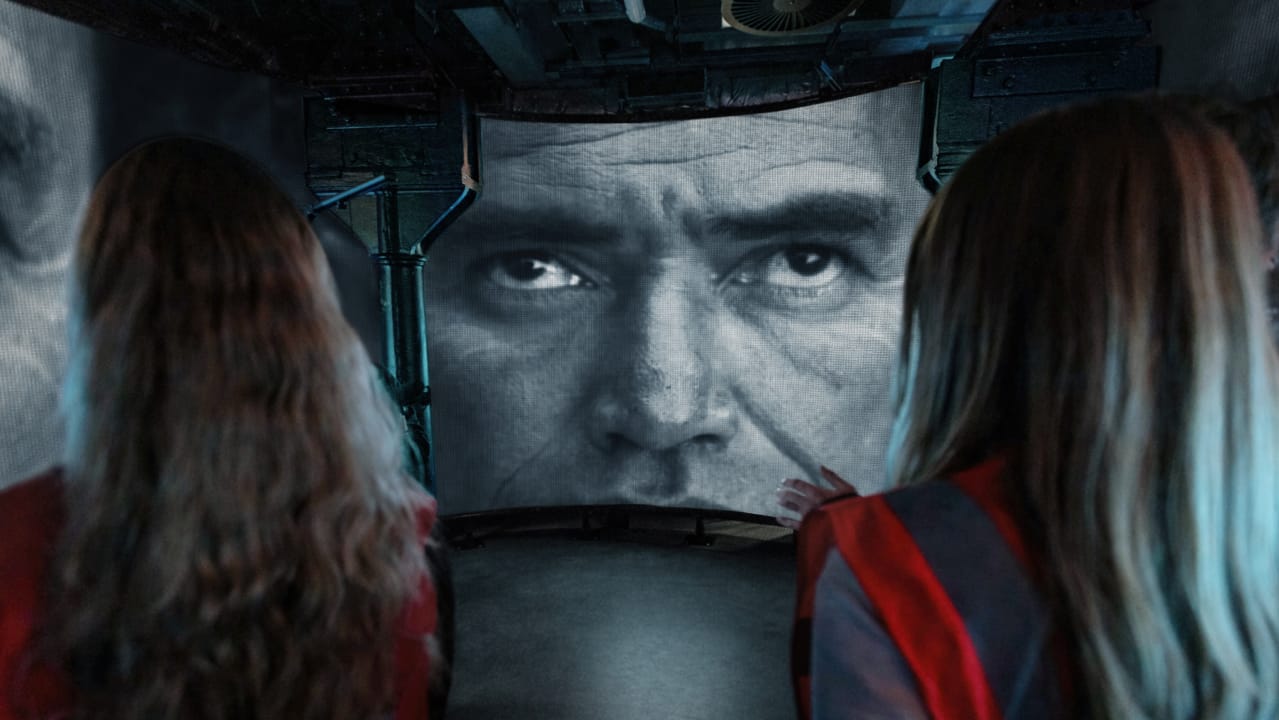
It’s the question that keeps many marketers awake at night, usually after one too many coffees in a neon-lit brainstorm, “How do we make this stick?” We’ve all seen the power of a flash-in-the-pan marketing campaign or a well-timed brand activation that lights up a WhatsApp group for forty-eight hours. Experiential marketing has, for a long time, been seen as the “cool kid” of the industry, the high-energy, high-impact live activations that increase brand awareness and leave consumers with a story to tell.
But here’s the rub: in a world drowning in digital noise and data fatigue, a “moment” isn’t always enough to build genuine customer loyalty. If we want to move from being a temporary distraction to a permanent fixture in our audience’s lives, we need to think beyond the nomadic nature of pop-ups. We need to talk about the brand home.
The power of permanent experiential marketing
A brand home should never just be a fancy showroom or a glorified retail fixed location; it is the physical manifestation of a brand’s soul. While experiential marketing campaigns often focus on the “hit and run” of event marketing, a fixed experiential location offers something much rarer: consistency. It’s the difference between a first date and a long-term relationship.
In these locations, we aren’t just hijacking a person’s attention for a few minutes at global events or in major cities. We are inviting them into a house built entirely on our terms. This permanent experiential marketing allows us to create immersive, hands-on experience opportunities that pop-ups simply can’t scale.
What is a brand home?
A brand home is a fixed location, think a flagship distillery, a family hub, or a dedicated community space, where a company provides a permanent, unique experience that brings their messaging to life.
What are the benefits of permanent installations?
The benefit of moving to a fixed location is that it allows for a deeper investment in the art of storytelling. When brands invest in a fixed location, they’re looking to create an environment where attendees don’t just visit; they belong.
Reliability for Growth: A permanent installation provides a business with a stable platform to test and refine its experiential marketing strategies over time.
Deeper Insights: Unlike a one-off marketing effort, a fixed location allows marketers to gather hyper-relevant insights from participants over months or years, seeing how friends and family interact with the service in the real world.
The “Stay-Over” Effect: By providing a community with a fixed location to gather, you move from ground marketing to building a legacy that drives impactful business growth.
We’ve seen this process work across the board, from high-stakes IPOs to distillery residences that have become memorable pilgrimage sites for consumers.
How Imagination makes it happen
Making a fixed location “tick” requires more than just good logistics; it requires a creative strategy that bridges the gap between ambition and opportunity. At Imagination, our know-how comes from years of blending technology with human-centric design.
We don’t just create spaces; we create destinations. This involves a fixed location being on brand at every touchpoint, ensuring that the messaging resonates with a wide range of local, national and foreign consumers while the experience offers each of them numerous unique value propositions that they can’t get anywhere else. How do we know? Because we’ve created brand homes for some of the biggest names on the planet:
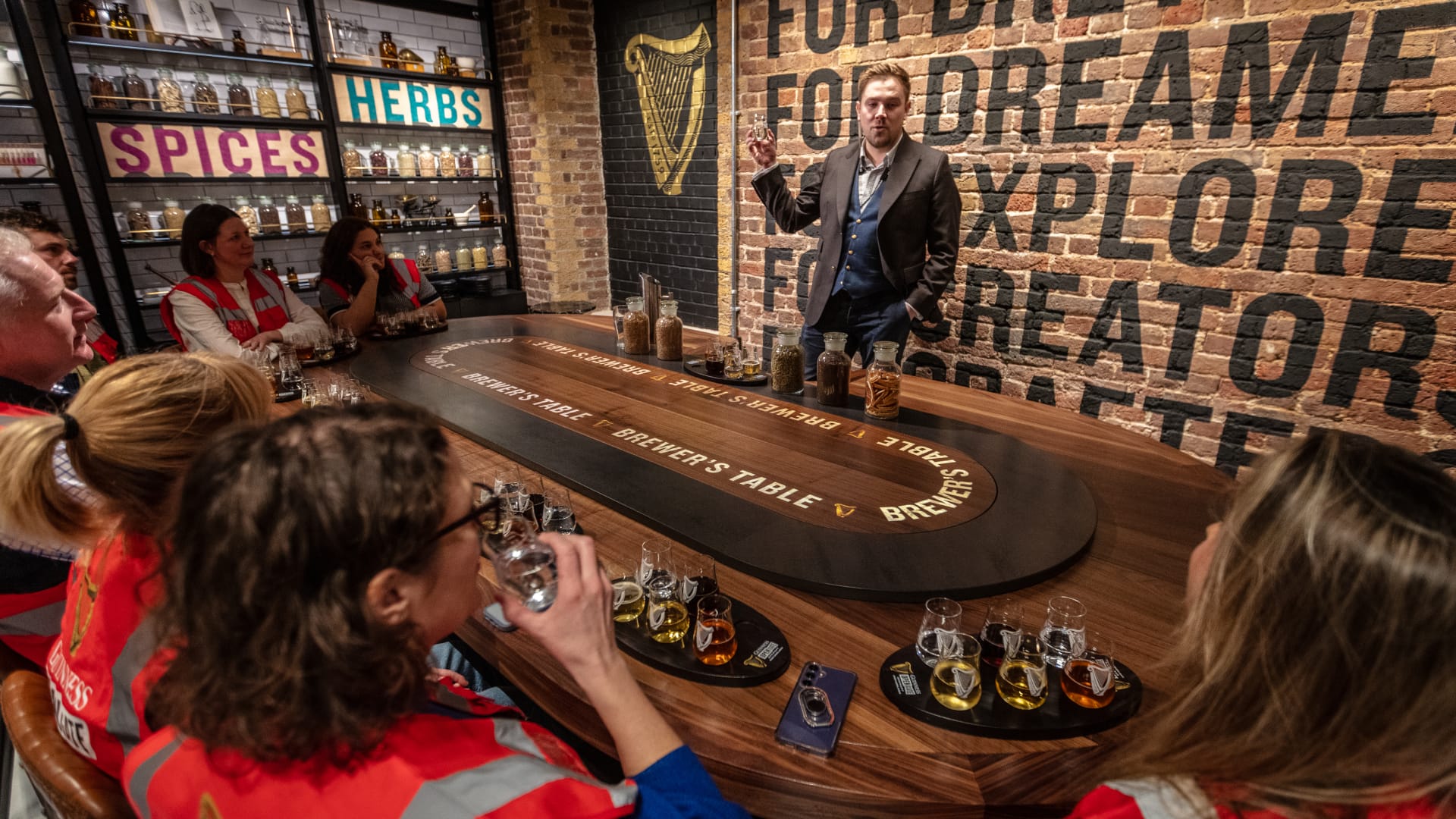
Guinness Open Gate Brewery London: A multi-sensory brand home in London’s Covent Garden that blends Irish heritage with local culture through five immersive spaces, including a working brewery and communal tasting rooms, to drive deep emotional connections.
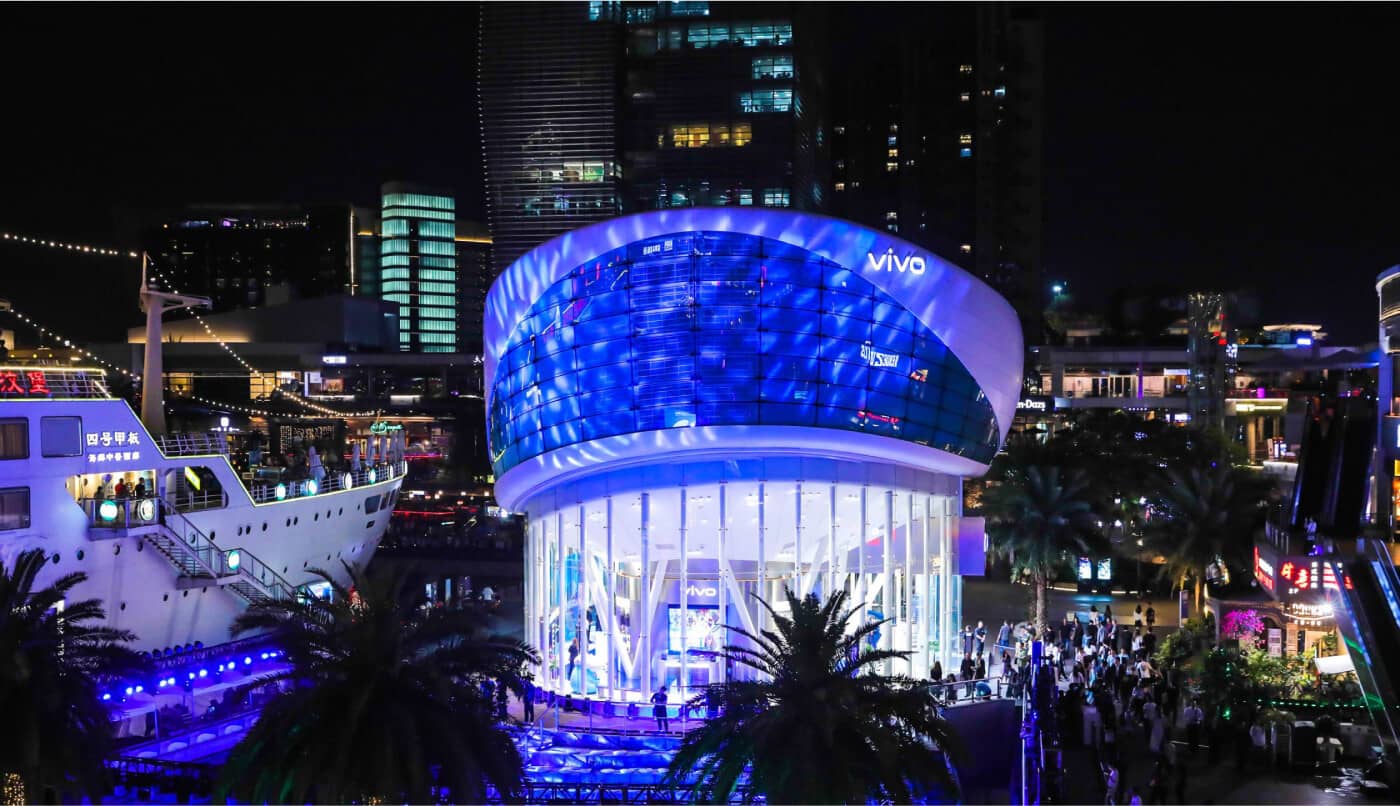
Vivo Labs: A flagship retail concept store in Shanghai that functions as a “retail playground,” using multi-sensory photography-themed installations to engage young consumers and re-establish the brand as a technological pioneer.
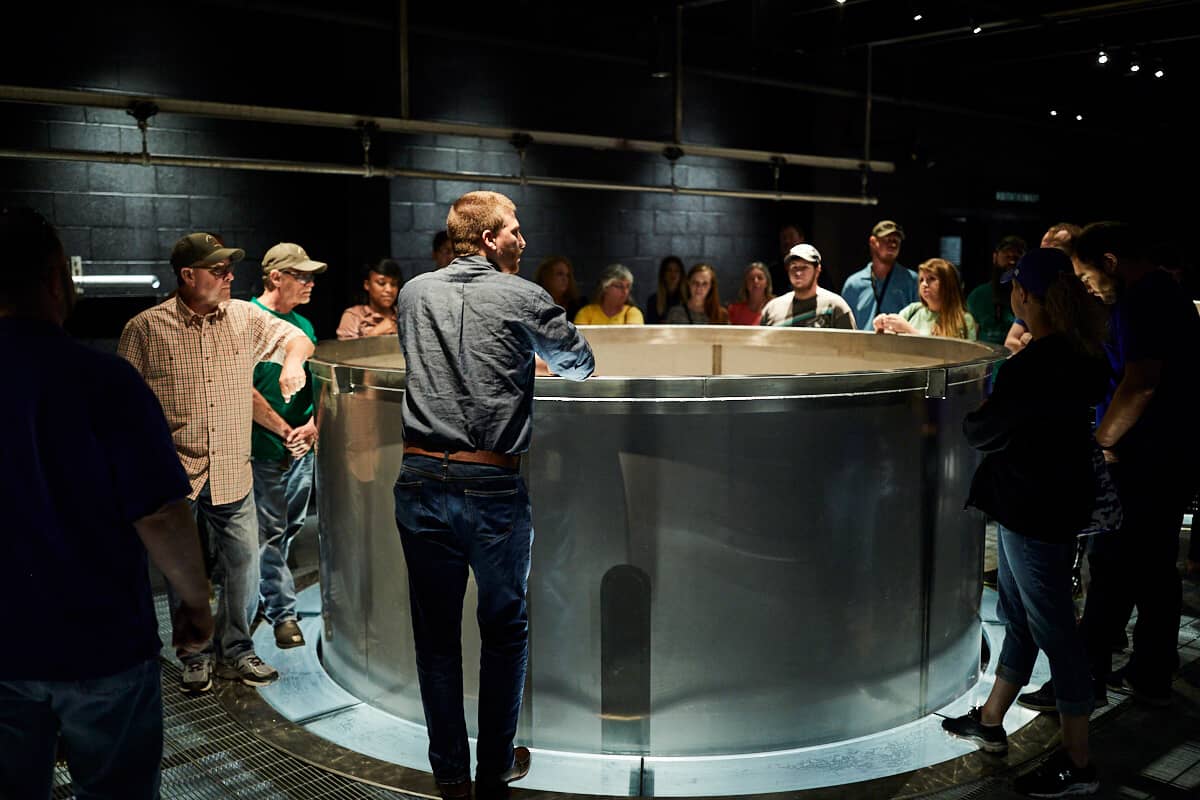
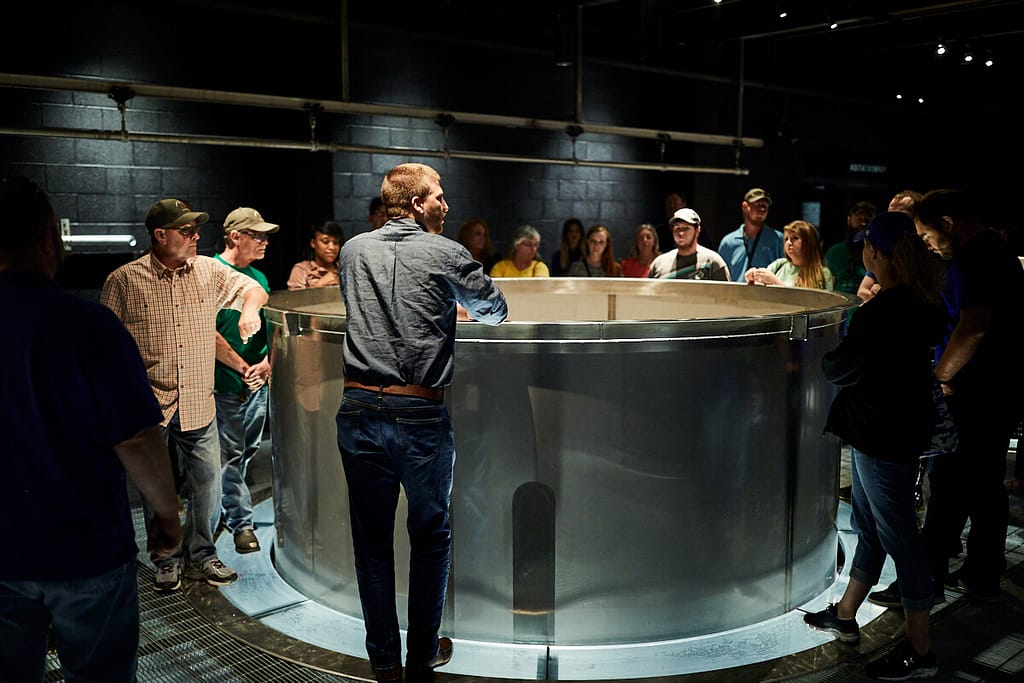
Old Forester Distillery: A permanent home and working distillery on Louisville’s Whiskey Row that integrates industrial production with an immersive visitor journey, showcasing the brand’s history and artisanal craftsmanship.
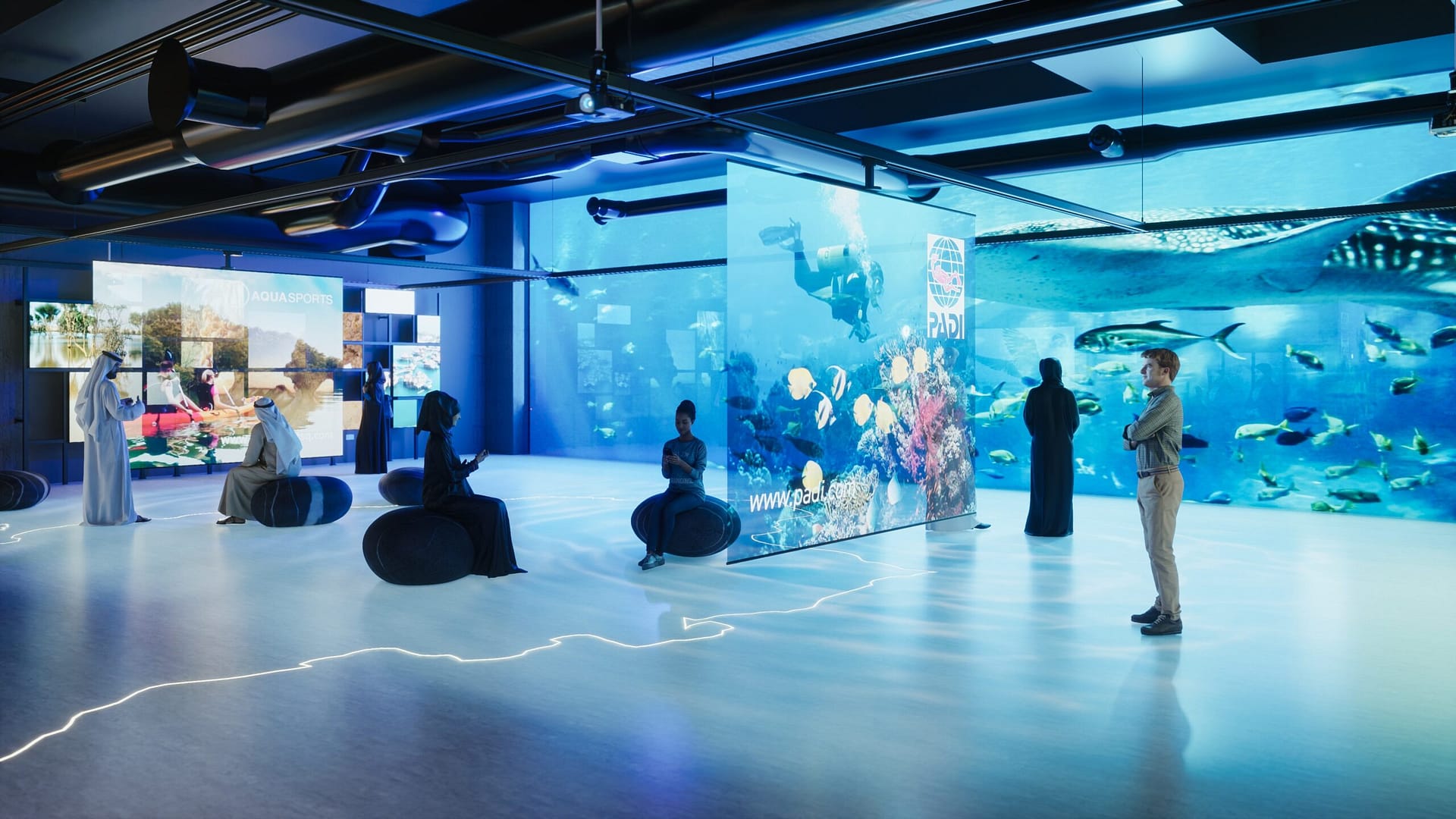
Doha Port: An immersive visitor centre designed for the 2022 FIFA World Cup that uses themed zones and interactive digital content to guide arrivals toward Qatar’s diverse tourism and cultural offerings.
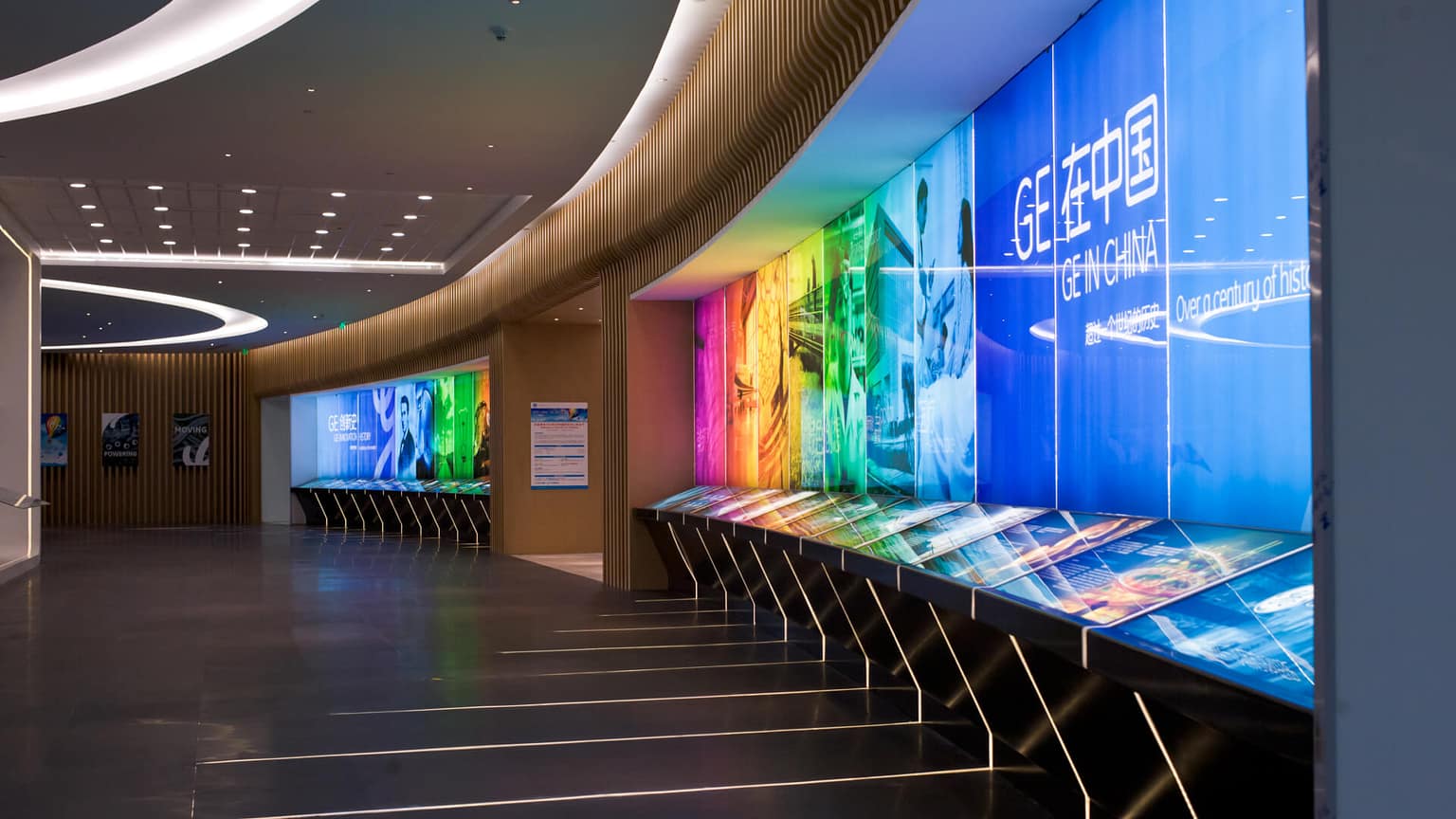
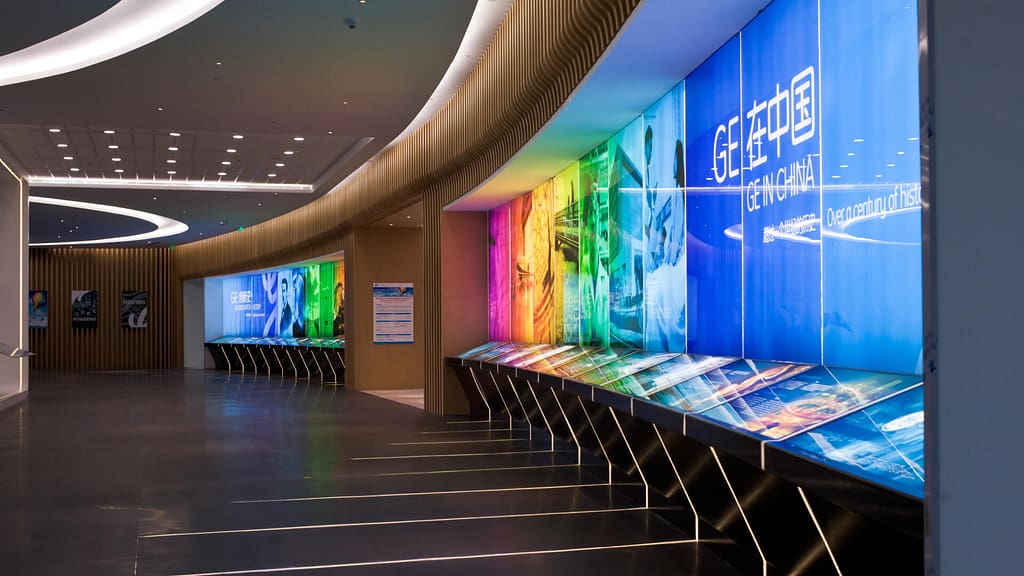
General Electric: A global innovation programme and “Imagination at Work” campaign that rebranded the industrial giant as a technology leader by highlighting its advancements in sectors like healthcare, energy, and aviation.
Planning your brand home: Step-by-step
If you’re interested in moving beyond the marketing campaign cycle and into a fixed location, here is a quick test for your strategy:
- Define the ambition: What is the customer’s problem you are trying to solve with this fixed location?
- Location, location, location: Is it in the heart of major cities or a remote destination that feels like a pilgrimage?
- The experience core: What unique experience can you create that consumers can’t get anywhere else?
- Content for continuity: How will this space fuel user-generated content and keep people talking?
- The logistics of longevity: Have you planned for the scale and personal touch required for a permanent installation?
The lasting connection
In the end, fixed experiential locations are the antidote to the “swipe-left” culture of modern marketing. By choosing to invest in a fixed location, you are proving to your audience that you are here to stay.
If you’re ready to achieve something more than just a viral moment, it’s time to build a house that your customers will want to come home to.
Behind the piece
More like this