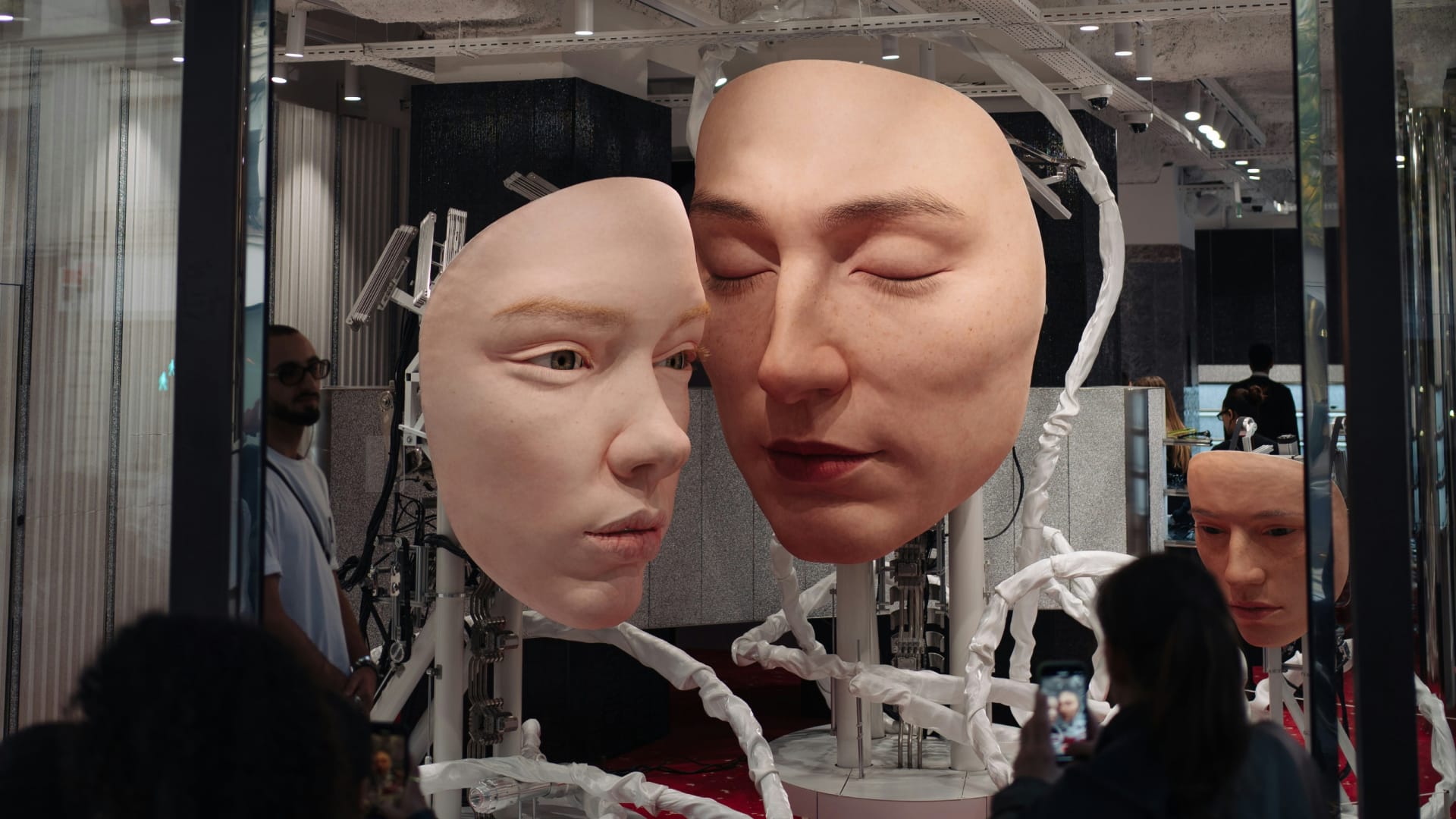
Step into a luxury store today and you’ll sense how much has changed over the years. Gone are the densely packed displays of merchandise that once dominated shop floors. Instead, we’re seeing more curated spaces where luxury products take a back seat to experience.
Brands are making bold efforts to establish themselves as culturally relevant – signalling that while they still want you to buy, they’re ultimately chasing deeper participation in the cultural conversation. Over half of consumers describe in-store shopping as ‘boring’, and 96 per cent say they want more fun woven into a shopping experience. Insights from Guy Champniss (IE Business School) and Grace Herbert-Lo (Westfield Rise Europe) shared at Imagination’s Creating Retail Experiences With Edge webinar highlight this: luxury bricks and mortar must evolve beyond product pushing to remain magnetic.
The psychology of performance
Experiential retail addresses the three basic psychological needs of self-determination theory.
First is autonomy. Shoppers crave agency. Interactive spaces enable this while live workshops or content creation zones are just some ways stores invite participation.
Second is mastery. People want to explore and learn, especially before big purchases. Dyson demo labs and Amorepacific skincare flagships show how stores can feel like classrooms where skills are shared, not just sold.
Third is relatedness. In a time of rising loneliness, physical retail offers a vital stage for connection. Cultural in-store events lean into this, with talks, DJs, and fashion drops becoming shared rituals.
Retail space as cultural stage
The brands leading the way are pushing retail further into the realm of performance art.
In Seoul, Gentle Monster’s Haus Nowhere functions as a 14-storey cultural playground for fashion and beauty, where ever-changing installations make each visit feel like stepping into a new exhibition. It’s retail as spectacle – part gallery, part theatre, part social hub.
In London, Flannels X blurs the boundaries between shopping and content creation, with TikTok-ready architecture, in-store DJs, and sales associates trained more like influencers than shop assistants, turning even customer service into an extension of cultural relevance.
Nearby, Selfridge’s Project Earth, showcases sustainability through immersive, valueled activations. The cultural script here is about responsibility amid consumption.
In Paris, Le Printemps teams up with artists and curators to stage installations that transform the department store into a theatrical set, changing with the seasons.
Colliding trends
The rise of ‘Play-tail’ reflects a growing appetite among younger generations for fun and innovative experiences. Around 40 per cent of Gen Z and Millennials are spending more with brands that deliver playfulness through gamification, multisensory design and performative storytelling. We’re seeing more edible merchandise, immersive installations and gamified loyalty programmes.
Retail wellness is also on the rise. With 66 per cent of Londoners seeking health services, retailers are introducing wellness activations – from breathwork workshops and biohacking pop-ups to experimental ‘labs’ – as a way to align with increasing interest (and spending) in this space.
The store as a content studio is another powerful shift. As social commerce blurs the lines between shopping and online entertainment, retailers like Perfect Diary in China and Flannels in London are turning their spaces into broadcast hubs. Livestreams, TikTok zones and influencer collaborations now extend retail far beyond the physical store.
Finally, ‘Community as Cast’ is a move toward participation over spectatorship. Shoppers are no longer simply the audience – they are part of the performance. Sneaker drops that unfold like midnight premieres and beauty pop-ups that encourage user-generated content show how engagement itself has become part of retail theatre.
The future of retail in culture
If the 20th-century department store was a cathedral of consumption, the 21st-century store is moving in a cultural arts direction. Brands are leveraging their own variations of rotating programmes to create dynamic, responsive and ever-changing retail experiences that give people a reason to return. Agility is taking over static store design.
The flagship stores of tomorrow could lean even more heavily into functioning as cultural venues. Spaces are already hosting talks, mini concerts, installations and performances alongside product launches. By utilising more modular layouts, brands are upping their game with more flexible and adaptive experiences.
The elephant in the room is of course: sales. But sales are an outcome of cultural resonance – brands just have to measure differently, zooming all the way out to decipher the value. When shoppers feel entertained, educated and connected, they become longer term advocates and buyers.
Luxury retail will continue to reinvent itself by being in the cultural spotlight. With consumers looking for more fun, belonging and meaning, this isn’t brands being indulgent; it will be essential for survival for many. The brands that thrive will be those bold enough to zoom out, measure differently, and lean fully into the broader brand experience.
This article first appeared in Luxury Briefing.
More like this
January 29, 2026
The stay-over revolution: Why brands should stop dating and start committing
For the things worth sharing, we’ve got a newsletter for that.
This article first appeared in Luxury Briefing written by, Sara Parrish, Strategy Director from our London studio.