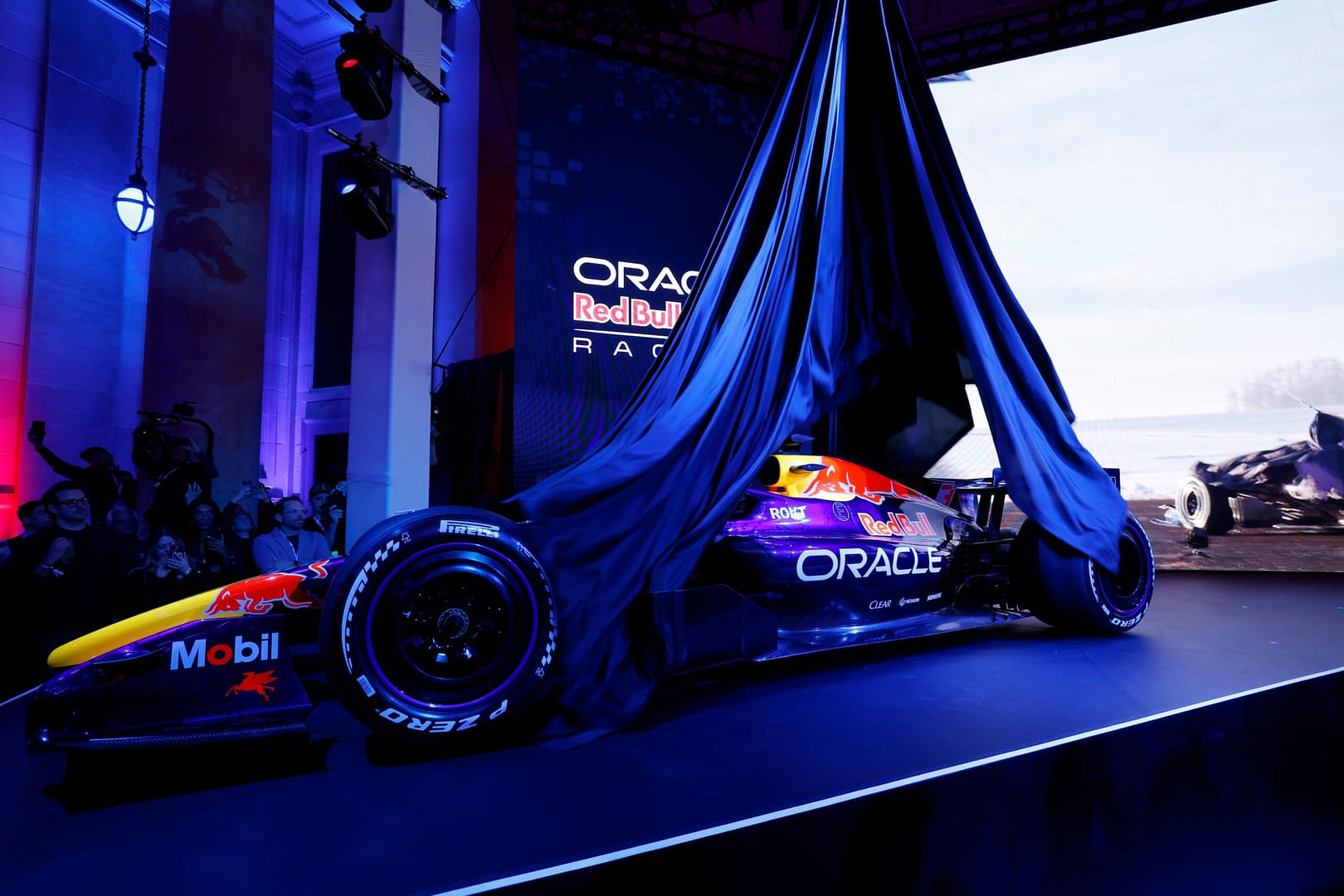
The launch moment is one of the most critical windows for the commercial success of any vehicle. It’s the moment when a brand enjoys control over the narrative, framing what the car means before the market intervenes with reviews, social media scrutiny, and competitor comparisons.
A well-executed reveal does more than just get headlines; it sets the story and the tone for what’s to follow, generating earned media, interest and conversation. Reaching the right audiences with a story that resonates is crucial for a strong return on investment.
The established playbook – and where it falls short
There’s a well-established playbook for launches that prioritises automotive media, product specs, performance and petrolheads. It’s a skew that guarantees coverage, but not necessarily effectiveness.
Because while it will certainly garner column inches in the automotive category, it runs the risk of missing large and increasingly valuable segments of the car-buying public.
The demographics of car buyers have shifted fundamentally. Two of the most powerful consumer cohorts are not well catered for by traditional approaches: female buyers and older (Gen X) buyers.
According to a variety of sources, women influence up to 85% of car purchases, and buy 51% of new cars sold. Yet recent research by Stellantis found that 48% of women felt the car purchasing experience was biased towards men.
Gen X will command $20trn in buying power by 2033 and has been the highest-spending generation globally since 2021. They’re practical decision-makers who value expertise, transparency, and peer recommendations far more than traditional advertising.
To more effectively reach and engage these audiences, marketers need to have a clear view on the ‘WHY’: what they care about in evaluating a car they might buy and more broadly in their lives; and the ‘WHERE’: where they get their information, who they trust and follow.
When they do, three clear principles emerge for engaging these audiences effectively.
Principle one: Traditional media as baseline, then expand
Keep automotive media relations, press events, and detailed specs. They create credibility. But supplement this with expert reviews, educational content, peer testimonials, and community-focused storytelling that reaches audiences the traditional approach misses.
This is both/and, not either/or. The goal is to add capacity, not replace.
Principle two: Use lifestyle passion points as the unlock
Instead of anchoring solely on specs, find the lifestyle niches where these audiences spend time. For example, for Gen X, GWI data shows that prospective car buyers over-index for interest in music and travel, while for female potential car buyers, cinema, nature and fashion are strong interests.
Use these as a way to engage them, framing the story of the vehicle around how it fits with their lives, and more broadly, how the brand aligns with their own values and interests.
Nissan’s recent LEAF launch exemplified this. Rather than leading with battery specs, they anchored the story in positive energy and environmental values.
Principle three: Use creators to cut through – with precision
With the right framing around lifestyle and cultural passion points, the next step is to ensure it reaches these audiences – through the people that they follow, in the channels where they spend their time.
Do this by partnering with creators and influencers who can integrate the car authentically into their existing narratives. The car becomes an enabler of their story, not the hero of it.
Avoid celebrity influencers. Instead, partner with micro-influencers with tight communities, lifestyle creators, expert reviewers, and peer storytellers who’ve earned trust. Give creators freedom to be authentic, and genuine critiques are more credible than manufactured enthusiasm.
Design launches to be social media-ready with space and resources for creators to build their own stories around the vehicle alongside expert panels and demonstrations.
What this looks like in practice
Volvo anchors launches in safety as a values statement, not a technical spec. This acknowledges that safety is a legitimate primary concern for women and older drivers, not a secondary status. Launches showing real-world safety scenarios feel relevant to audiences who otherwise felt automotive marketing was designed for someone else.
Rolls Royce used travel and leisure as the hook to reach prospective UHNWI buyers directly in the places where they spent their leisure time, creating a lifestyle-first experience at Saint-Tropez on the French Riviera.
The strategic opportunity
The traditional playbook isn’t broken. But that approach alone no longer represents where growth actually sits.
Women and Gen X control more spending power than ever before, brands that recognise this shift and design launches speaking authentically to these audiences won’t just be more inclusive, they’ll be more effective.
The launch moment is the most expensive and highest-leverage time to shape how a car is perceived and who sees themselves in its story. The question isn’t whether to redesign launches for overlooked audiences, it’s whether you can afford not to.
This first appeared in Automotive Business Magazine, written by Tom Gray, Global Chief Strategy Officer from our London studio.
Behind the piece

More like this

September 24, 2026
Beyond the viewport: Why the real world always re-writes your render
September 01, 2026
Why the smartest brands are already experimenting with conversational AI

For the things worth sharing, we’ve got a newsletter for that.