The next generation of cultural destinations will be defined by the role they play in everyday life.
I’ve spent much of the last few years advising governments, developers and cultural organisations on visitor experience across museums, public realm, destination developments and cultural institutions.
Why the best cultural destinations are designed for residents first
Cultural destinations were traditionally designed for visitors. That’s changing. The most successful ones today are designed for residents first, and, almost paradoxically, that’s exactly what visitors respond to.
For decades, success in this space meant getting people through the door for a few hours before they went home again, measured in visitor numbers and ticket sales. Today’s most successful cultural districts are challenging that model entirely, and they’re becoming part of the everyday rhythm of city life.
From placemaking to placekeeping: what Alserkal, JAX and MiZa have in common
Dubai’s Alserkal Avenue is perhaps the most established GCC example. It wasn’t conceived as a visitor attraction, artists arrived before tourists did, and culture became embedded in a working neighbourhood long before the district earned any real popularity. Today, galleries sit alongside cafés, creative businesses, design studios, performance spaces and education programmes, and residents don’t just visit Alserkal, they use it.
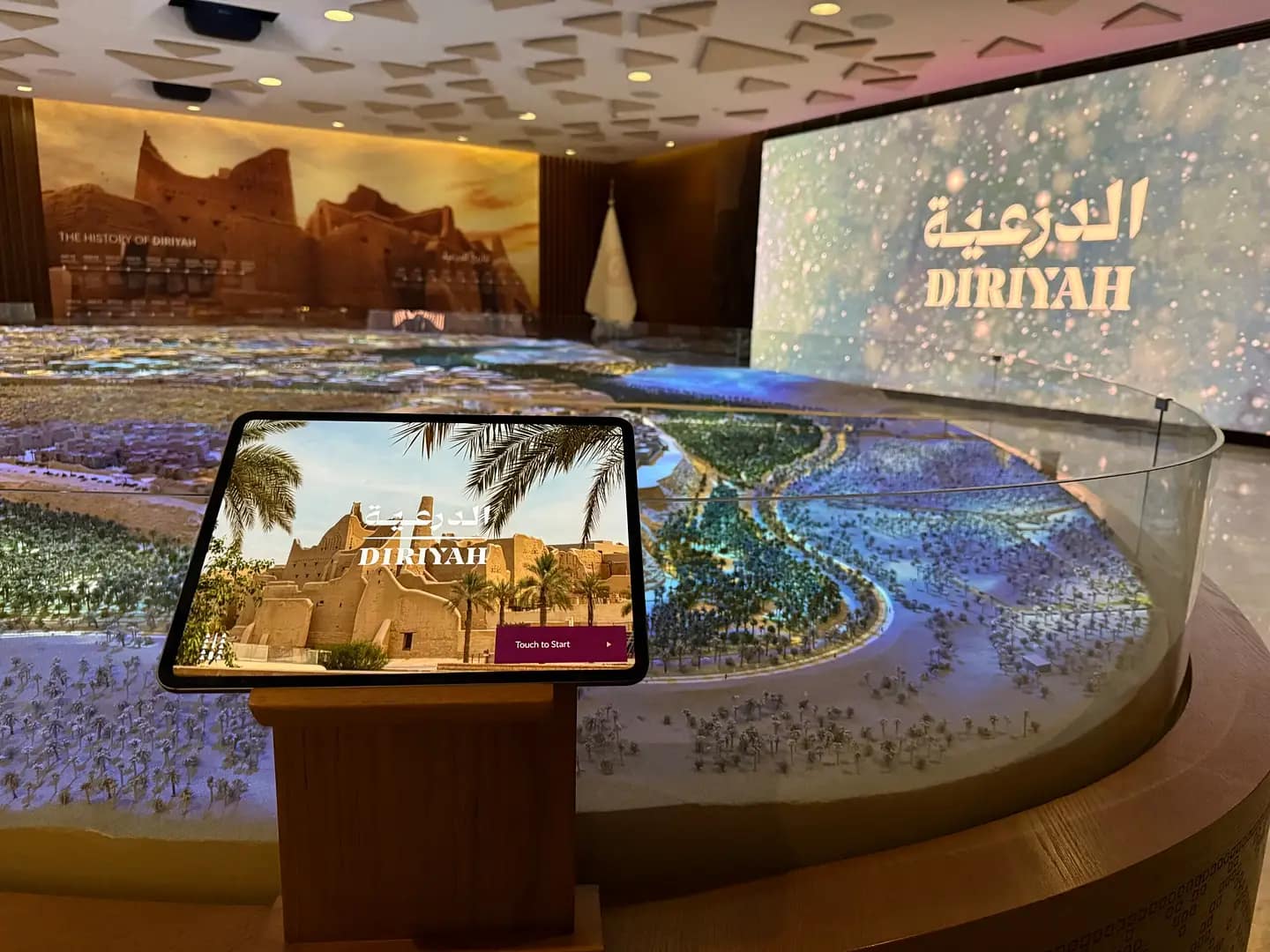
Saudi Arabia’s JAX District is following a similar path. JAX has evolved as part of Diriyah’s wider regeneration, bringing artists, entrepreneurs, cultural institutions and public events into the heart of a growing mixed-use district. The strength of the destination comes from the community that has developed around it.
Abu Dhabi’s emerging MiZa reflects another step forward. MiZa takes the same idea further by placing entrepreneurs, artists, makers and cultural production within the fabric of a mixed-use neighbourhood. That’s the shift already underway: from placemaking to placekeeping, where living, working, creating and participating all happen in the same place.
We’ve become very good at creating cultural destinations. The bigger challenge is keeping them culturally relevant over the next twenty years, given the rapid changes in society’s use of technology and its effect on people’s sense of purpose and lifestyle.
Culture is no longer a city amenity, it’s a strategic economic asset
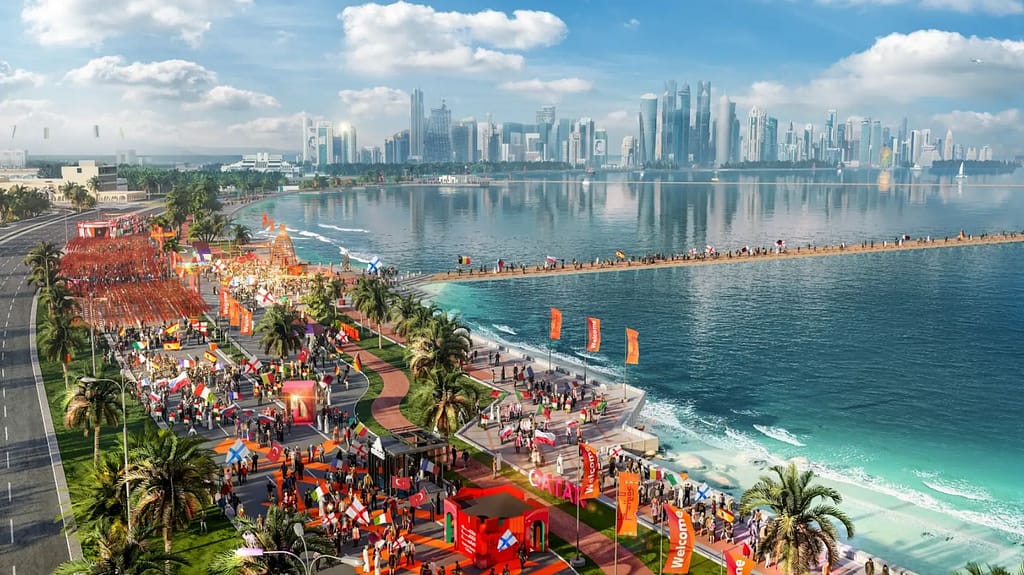
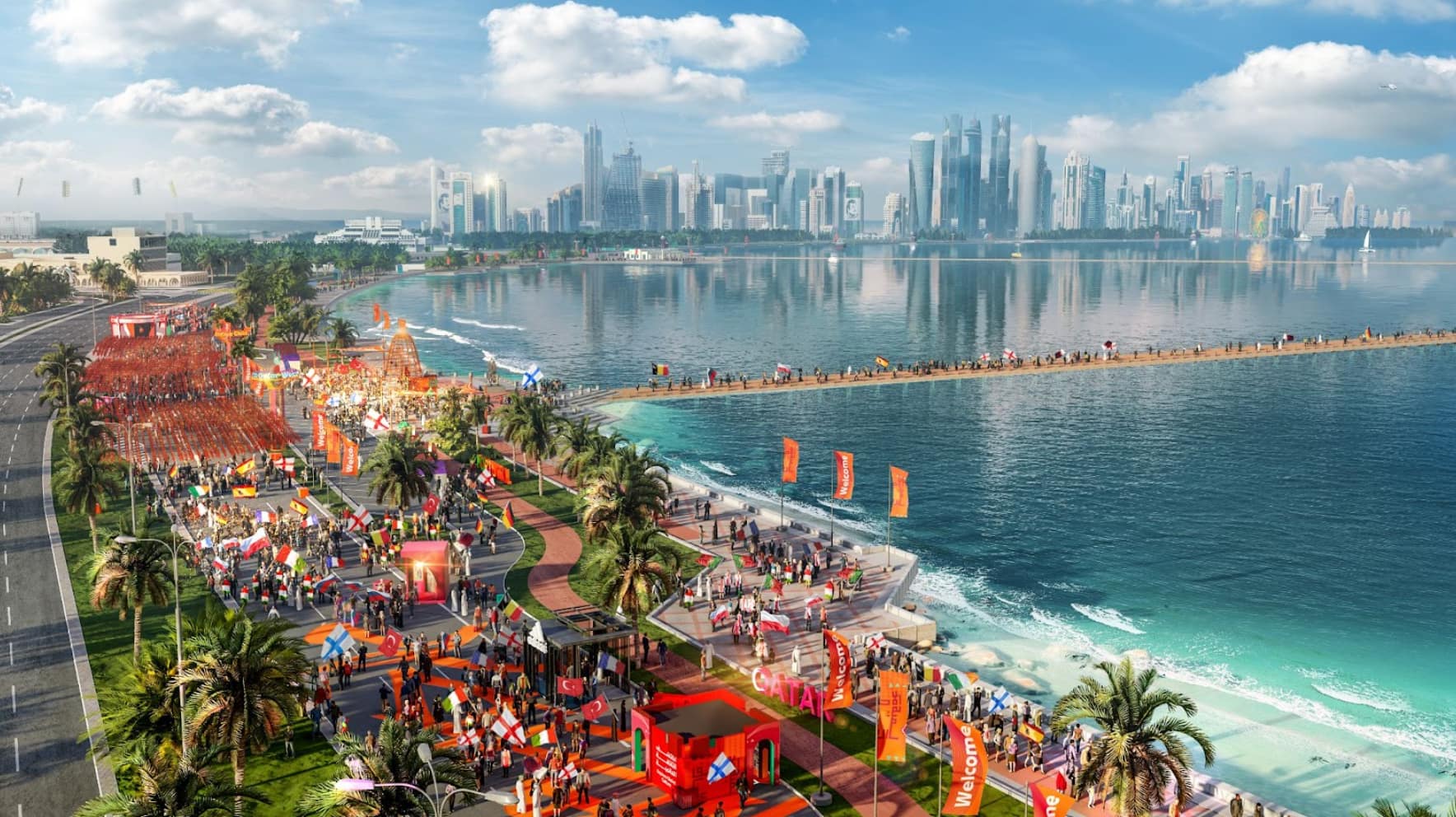
Culture used to be treated as an amenity, something added once the important decisions about a city had already been made. Cities competed through transport, retail and commercial districts; today they compete on identity. Across GCC cities such as Riyadh, Jeddah, Doha, Abu Dhabi and Dubai, culture is becoming a strategic economic asset, helping attract talent, investment, visitors and the creative industries. Diriyah in Riyadh is a powerful example of this shift, where heritage, arts, culture and public realm are being used as catalysts for a thriving mixed-use destination and long-term economic growth.
Why programming, not budget or architectural scale, keeps a destination relevant
The strongest destinations continue to evolve. They create reasons to return, adapt over time and become woven into everyday routines. Budget and architectural scale matter far less than the ability to stay culturally relevant.
Programming extends far beyond a calendar of events. It influences the masterplan itself: how spaces connect to each other, where infrastructure sits, the pace at which galleries can adapt, and the routes people actually take through a destination.
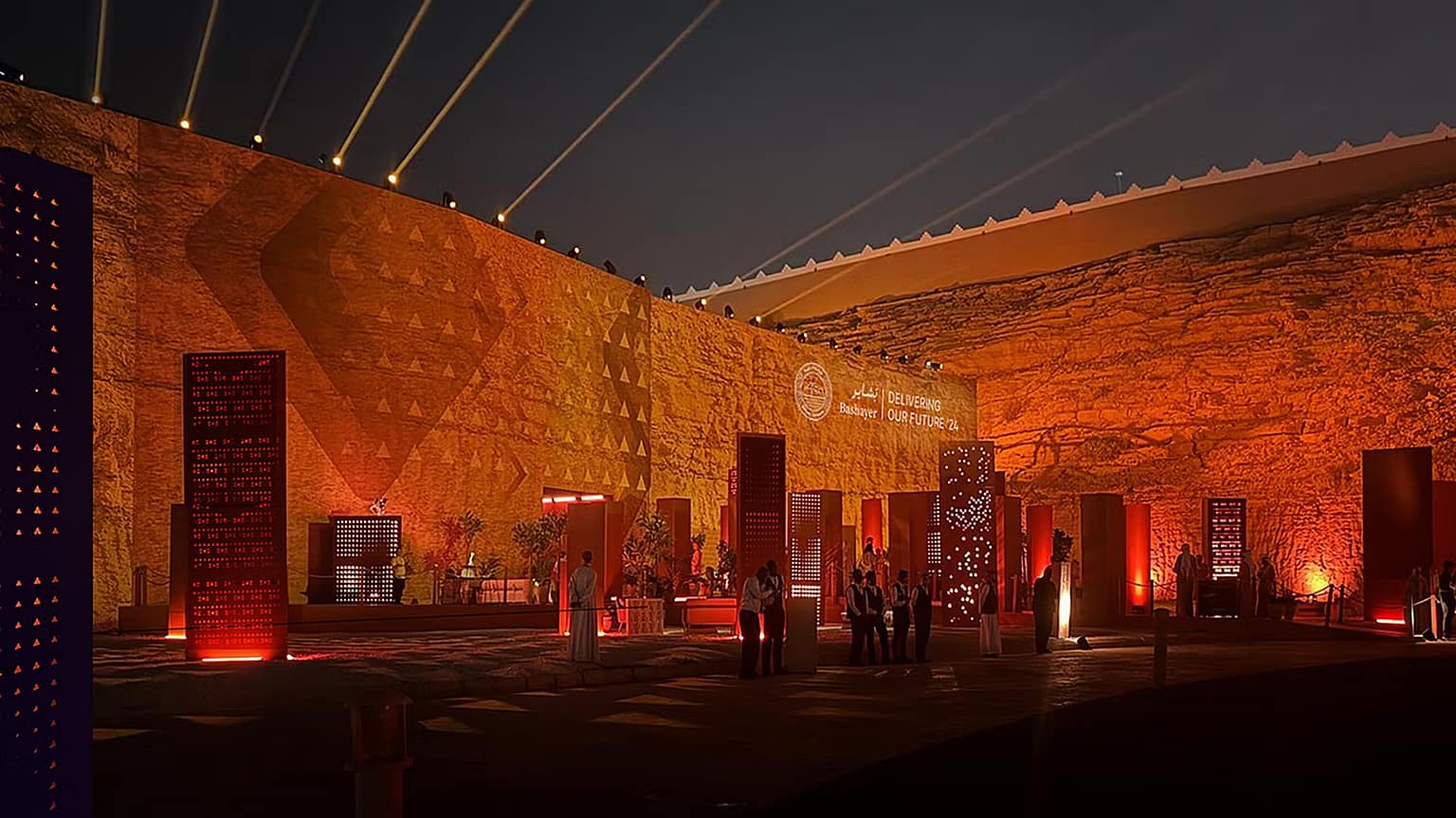
When programming is considered from day one, it shapes the destination long before a single building is designed, which is what makes places resilient. We’re seeing this increasingly across the region. Through Imagination’s work supporting the programming of the first Contemporary Art Biennale in Diriyah, we’ve seen first-hand how cultural programming can become part of a much broader destination strategy. The Biennale is helping shape Diriyah’s identity as an evolving cultural district, giving audiences new reasons to return while reinforcing the wider vision for the destination.
The same thinking applies on a smaller scale to Lawh Wa Qalam: M.F. Husain Museum. While working with Qatar Foundation on its reinterpretation, Imagination’s challenge was to make Husain’s work more accessible for new audiences while preserving the integrity of the artwork. That meant thinking beyond exhibition design to interpretation, audience engagement and how the work could remain relevant over time.
What Tate Modern, the High Line and Superkilen get right
The Tate Modern’s Turbine Hall in London continually redefines how people experience the museum through changing commissions. New York’s High Line remains relevant because seasonal programming, art and performance continually reinvent the visitor experience. Superkilen in Copenhagen demonstrates how public space can reflect the identities of local communities rather than imposing a single cultural narrative.
Behaviour, not architecture, decides whether a destination works
From developing the visitor experience strategy for King Salman Park to audience research helping shape ARM Holding’s future communities, we’ve found ourselves asking the same questions long before architecture is even discussed: what will this place feel like, who will curate its future, and what will give people a reason to come back in five years?
In the end, a destination succeeds or fails less because of its architecture than because of the behaviours it encourages and the role it ends up playing in everyday life.
How to measure cultural value beyond visitor numbers
The cities leading the next chapter of cultural development are investing in more than cultural venues. They are creating urban ecosystems where culture supports education, entrepreneurship, wellbeing, innovation and community life. In that context, culture becomes part of the city’s operating system, shaping how people live, work, create and connect.
We’ve become very good at counting visitors, but measuring cultural value is much harder. As culture takes on a more influential role in shaping mixed-use communities, the real indicators of success may be a scorecard that measures local participation, the growth of creative enterprise, and a sense of belonging, alongside the lasting social and economic value a place creates. In the end, the destinations that shape a city aren’t the ones with the highest visitor numbers on opening day. They’re the ones still busy in year ten.
Behind the piece

More like this
April 09, 2026