I recently marked a milestone birthday. I’m now old enough to remember a time when midlife crises meant fast cars and growing a ponytail. Those were the days, some might say.
These days it’s more likely to be ultra-running or colonic irrigation. And it’s not just oldies like me. Global spending on wellness reached $6.8 trillion in 2025 according to the Global Wellness Institute. That’s more than double the size of all the world’s military and defence spending combined.
Seems like almost every generation is looking to become a better version of themselves, and to invest the time in it.
What’s going on?
In February, Joe Pine published a book that offers an answer. Pine’s the man who coined “the experience economy” back in 1999, arguing that businesses climb a ladder of value: from commodities, to goods, to services, to experiences. Now he’s added a rung. He calls it the transformation economy, and the idea is this: an experience is valuable because you remember it, a transformation is valuable because you change because of it.
So what does this mean for experiential marketing?
I think there’s an opportunity for marketers to embrace the ideas of transformation – designing moments and campaigns that leave people with something they didn’t have before: a skill, a goal, a shift in how they see themselves.
Done well, this works harder than a standard activation on several fronts. Transformation experiences lodge deeper in memory, because effort and identity encode more strongly than entertainment alone. They travel further, because a before-and-after is a story people want to tell as their own. And they build a tighter bond between brand and self, because a brand that helped you become something plays a different role in your life than one that simply entertained you.
The result can be win-win. People get help becoming who they want to be. Brands get to become part of that story, and even a part of someone’s life. It can be good business too, helping product businesses move into the loyalty and recurring revenue business. Peloton for example sells an ongoing sense of progress – tracked, coached, shared.
The time is right too, as the recent IPA Bellwether report notes events and experiences are once again registering the highest upward shift in allocated budgets by marketers in the UK for Q2.
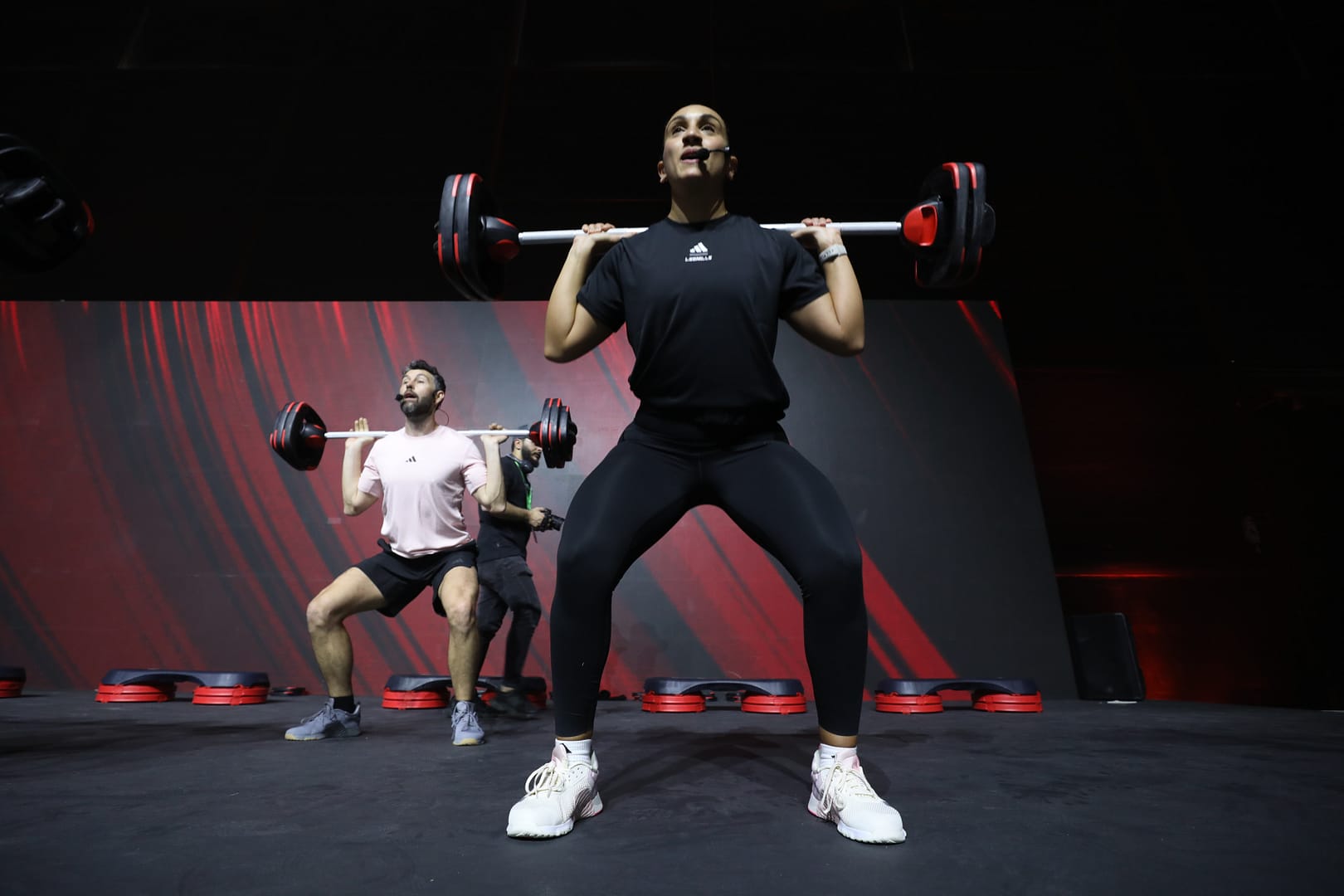
Pine’s shorthand for how this shows up is healthy, wealthy, wise and meaningful. At an experiential level, brands helping people to become more healthy might be the likes of Lululemon’s community run and yoga sessions. Wise shows up in upskilling and mastery experiences, like Sephora’s in-store beauty classes and Adobe’s Creative mastery sessions. Wealthy might be activations that build financial confidence or learn-to-earn opportunities, like Shopify Spaces. Meaningful is interesting as it often comes in the form of friction, endurance or shared values – think Tough Mudder races or Patagonia’s Action Works events.
For marketers thinking about building transformation and progress into a campaign, a few things to consider:
Get properly curious about your target customers
Understand what they are trying to achieve, their hopes and aspirations, the from-to story that they yearn to tell about themselves.
Find the communities that have formed around your products or your category.
Enthusiast communities are often built around shared values and experiences. They’re driven not just by enjoyment, but by the pursuit of mastery. From Ford Bronco, to AFOLs (Adult Fans of Lego) communities are authentic spaces for brands to learn from, and offer value.
Design the story, not just the moment.
Because transformation experiences carry a built-in narrative arc, the biggest reach gains come from making that arc easy for participants to tell themselves – genuine content, testimony and visible progress, rather than manufactured shareability.
Plan and measure on a longer timeframe
Transformation doesn’t happen as a one-off, so while a one-off activation can give a taste of ‘what might be’ a more effective strategy is to build a consistent engagement plan around the pursuit of a meaningful goal for your target audience, and build creative engagements off that platform. Whether that’s Ford’s ‘Ready Set Ford’ platform, or North Face’s ‘Never Stop Exploring’.
Experiences have always been a powerful tool in the marketer’s mix – by framing it against personal progress and transformation, they can become more meaningful, more memorable and ultimately, have a transformational impact for people and brands.
This first appeared in Campaign Live, written by Tom Gray, Global Chief Strategy Officer from our London studio.
Behind the piece

More like this

September 24, 2026
Beyond the viewport: Why the real world always re-writes your render
September 01, 2026
Why the smartest brands are already experimenting with conversational AI