Brand marketing has traditionally been seen as a battle for attention in a crowded, noisy feed. But the mood is shifting. People are moving away from screens and towards each other. From passive consumption towards active participation. From attention to connection.
The Experience Economy is booming. People are hungrier than ever for new entertainment, leisure & cultural experiences – and they are willing to spend on it. This shift is opening up one of the most underexploited opportunities in brand marketing today: the paid-for experience.
As The Original Experience Design Agency, Imagination has been designing and delivering these kinds of live experiences for decades. We’ve seen first-hand how they can transform the relationship between a brand and its audience – from transactional to deeply personal and enable marketers to achieve reach, engagement and salience in highly effective ways.
What is a paid-for experience?
A paid-for experience is something people actively choose to spend money on because it offers genuine value. That value might come in the form of entertainment, education, connection, or access to something they simply can’t get anywhere else.
The category spans cultural attractions, live music, competitive socialising, immersive exhibitions, skills masterclasses and brand-led events. What unites them is the transaction, and what the transaction signals. When someone pays to show up, they are invested. Literally.
From a brand perspective, that changes everything. Rather than interrupting people on their way to something else, you become the thing they came for. That’s a fundamentally different, and far more valuable, relationship to be in.

The commercial case: why the ‘paid’ part matters
Brands have long understood the value of experience as a marketing channel. But the shift to paid unlocks something different – both psychologically and commercially.
Psychologically, when people pay for something, they value it more. A ticketed live experience is a filter for high-engagement, high-intent audiences – the people in the room have already committed. They’re predisposed to engage deeply, remember vividly, and talk about it afterwards.
Commercially, a paid model changes the funding logic entirely. Ticket fees, bundles, merch, partnerships and on-site spend can offset – or in some cases more than cover – operating costs. At scale, a paid-for experience stops being a cost centre and becomes a business unit in its own right.
The white space is bigger than most brands realise
In independent research with 2,000 consumers, we found that only 24.5% had attended a branded experience – yet 83.7% said they were open to attending one in the future. The biggest barrier wasn’t scepticism or cost. It was simply a lack of availability.
Of those who hadn’t yet attended a brand-led experience, over 80% described themselves as either enthusiastic (43.7%) or curious (40.0%) about the prospect. The appetite is there. The sector is wide open. Most brands just haven’t shown up yet.
Case study: Ford Go Faster
Ford had a problem that many established brands will recognise. It was well-known, but not well-loved.

Rather than reaching for another campaign, Imagination developed something altogether different: a Hollywood-inspired, immersive live experience that invited the public to become the star of their own action film: Not a spectator, but the star.
Guests were cast as the getaway driver in a fictional movie trailer, and through four hours of immersive storytelling, they had to earn the role. That meant actually learning to perform professional driving stunts: drifting, J-turns, the full repertoire, behind the wheel of a Ford Focus RS or Mustang.
So compelling was the experience that guests were willing to pay for it. Every participant left with a personalised film trailer and a bespoke movie poster: a shareable artefact that turned attendees into advocates and extended Ford’s reach far beyond the event site itself.
The results were impressive: 92% of attendees left with increased brand favourability. The experience earned significant media impressions, millions in reach through user-generated content, and – perhaps most tellingly – genuine press enthusiasm. Shortlist declared that Steve McQueen would have done dangerous things to be in Go Faster. GQ called it simply: very cool.
It also won the Drum Experience Award for Innovative Activation/Event of the Year, and Best Digital Experience at the Campaign Experience Awards.
Go Faster is a vivid example of what happens when immersive storytelling and audience engagement are designed around a clear commercial and brand objective. Go Faster was an event, yes, but it changed how people felt about the brand.
How Imagination approaches paid-for experiences
As an experience agency, we work with brands across categories to develop paid-for experiences that are built around a genuine understanding of audiences – what motivates them, what they’ll pay for, and an authentic connection to the brand’s unique stories and offer that can match that.
Through our research, we’ve identified five archetypes that describe why people invest in experiences. Understanding which of these your target audience embodies is the starting point for designing something that genuinely resonates:
- The Insider – motivated by status, exclusivity and behind-the-velvet-rope access.
- The Self-Improver – motivated by learning something real and leaving with new skills.
- The Social Connector – motivated by shared experiences and the memories they create together.
- The Novelty-Hunter – motivated by the unexpected, the spectacular, the shareable.
- The Escapist – motivated by the chance to step away, decompress and reset.
Most successful experiences speak to more than one of these archetypes. The best ones make every person in the room feel like the experience was designed specifically for them. That’s the craft, and it’s where the skills of a seasoned experience agency make all the difference.
Frequently Asked Questions
What is a paid-for experience?
A paid-for experience is an event or encounter that people actively choose to invest money in – because it offers something they genuinely value. That might be entertainment, education, unique access, or the chance to be part of something they couldn’t experience anywhere else. Unlike traditional marketing, it’s not something that happens to people. It’s something they show up for.
How does Imagination help create a paid-for experience?
With decades of experience designing and delivering live experiences for global brands, we work from strategy through to production – helping brands understand their audiences, develop a compelling value proposition and commercial model and build experiences that people are eager to pay for and compelled to share.
What previous paid-for experiences has Imagination worked on?
American Icon: A Mustang Immersive Experience is a multi-sensory, walkthrough “theme park” attraction that uses 360° projections, high-speed turntables, and a 4D motion-seat thrill ride to tell the 60-year story of the Mustang’s impact on film, racing, and global culture.
Raptor Rally is an exclusive, high-energy off-road event designed by Ford Performance to bring together owners of F-150, Ranger, and Bronco Raptors for a weekend of desert adventure at Lake Havasu, Arizona.
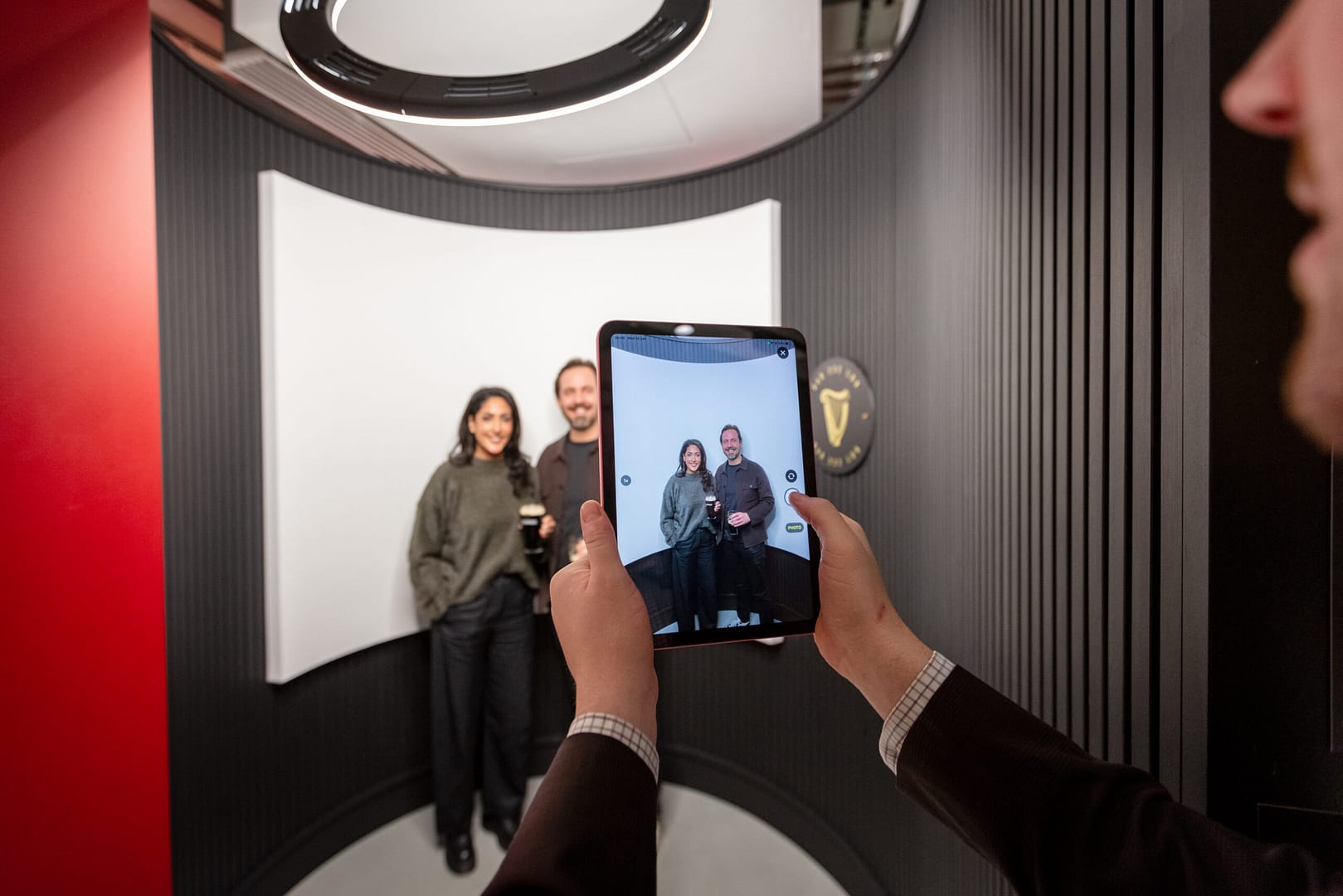
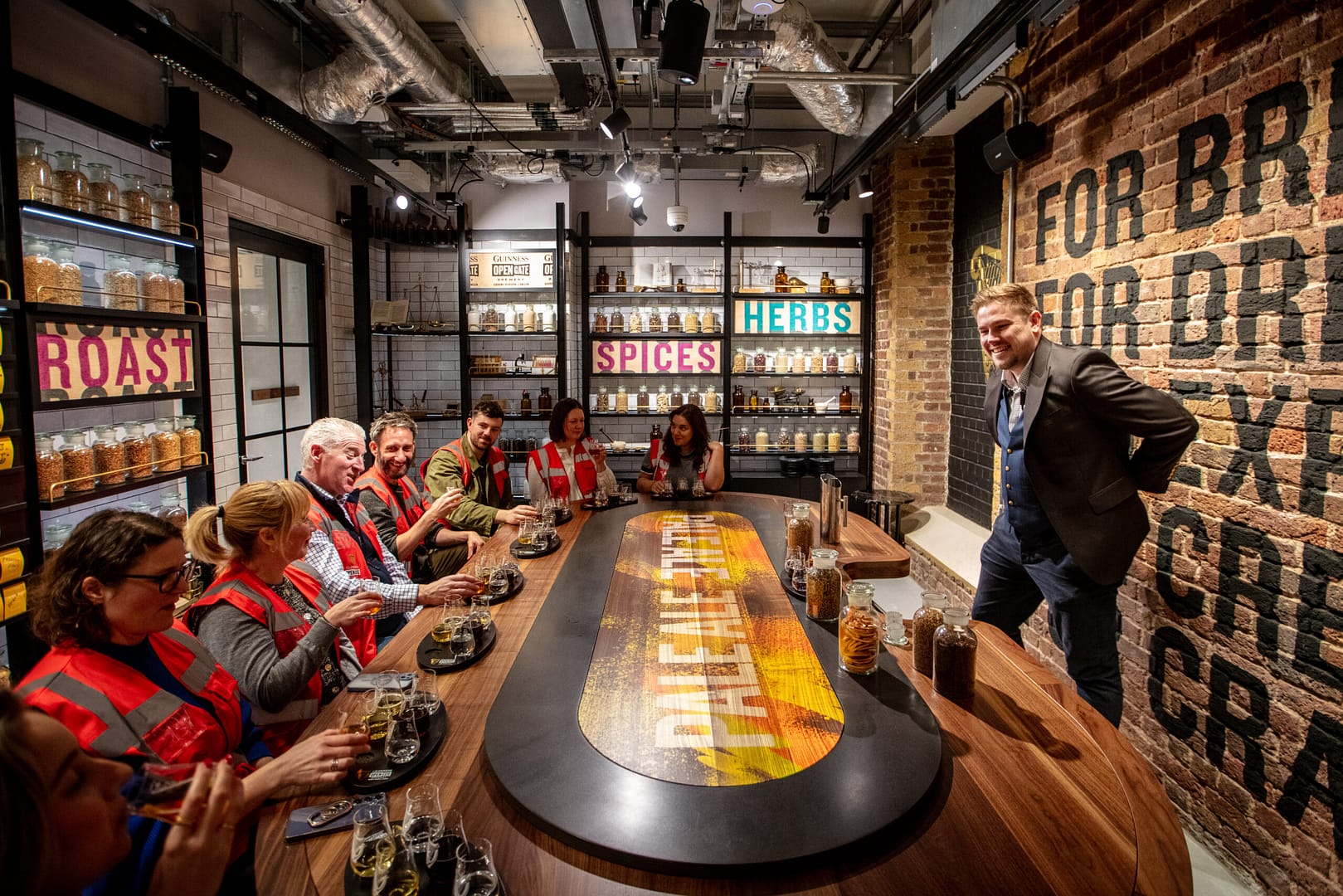
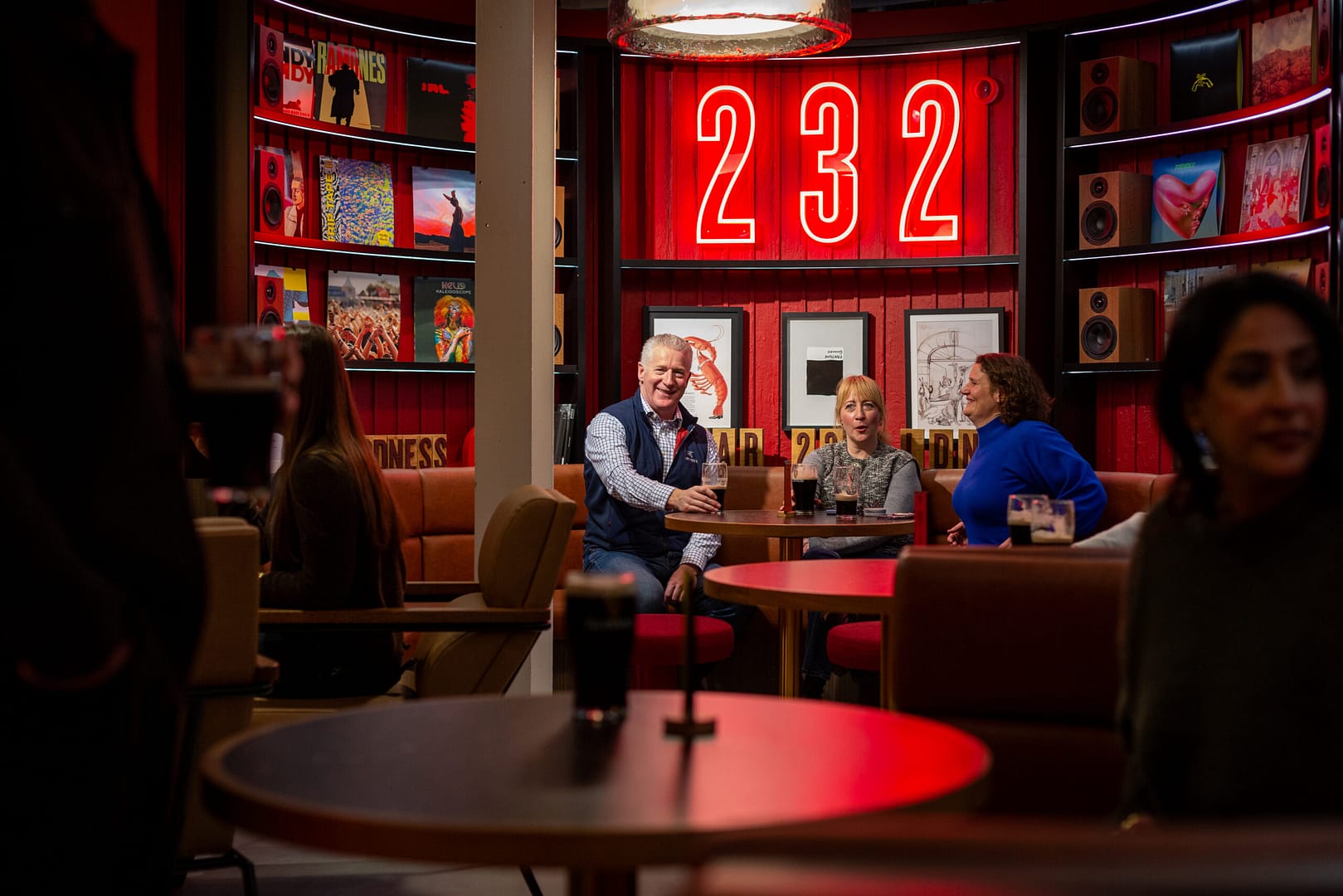
The Guinness Storehouse and Guinness Open Gate Brewery are immersive museums and brand homes that tell the story of the history, people, and production secrets behind Guinness.
What makes a paid-for experience successful?
The experiences that work are the ones built around a genuine understanding of the audience – what motivates them, what they’ll pay for, and what will make them feel it was worth it. Uniqueness, exclusivity and access are the three factors our research consistently identifies as the pillars of perceived value. Get those right, and the commercial case takes care of itself.
How much does a paid-for experience cost to develop?
Costs vary significantly depending on scale, ambition, location and technology. But the more useful frame is the commercial model: in many cases, ticket fees, on-site spend and content value can substantially offset – or even exceed – production costs. At the right scale, these experiences shift from line item to revenue stream. The conversation with Imagination always starts with the objective, not the budget.
Behind the piece

More like this
August 12, 2026
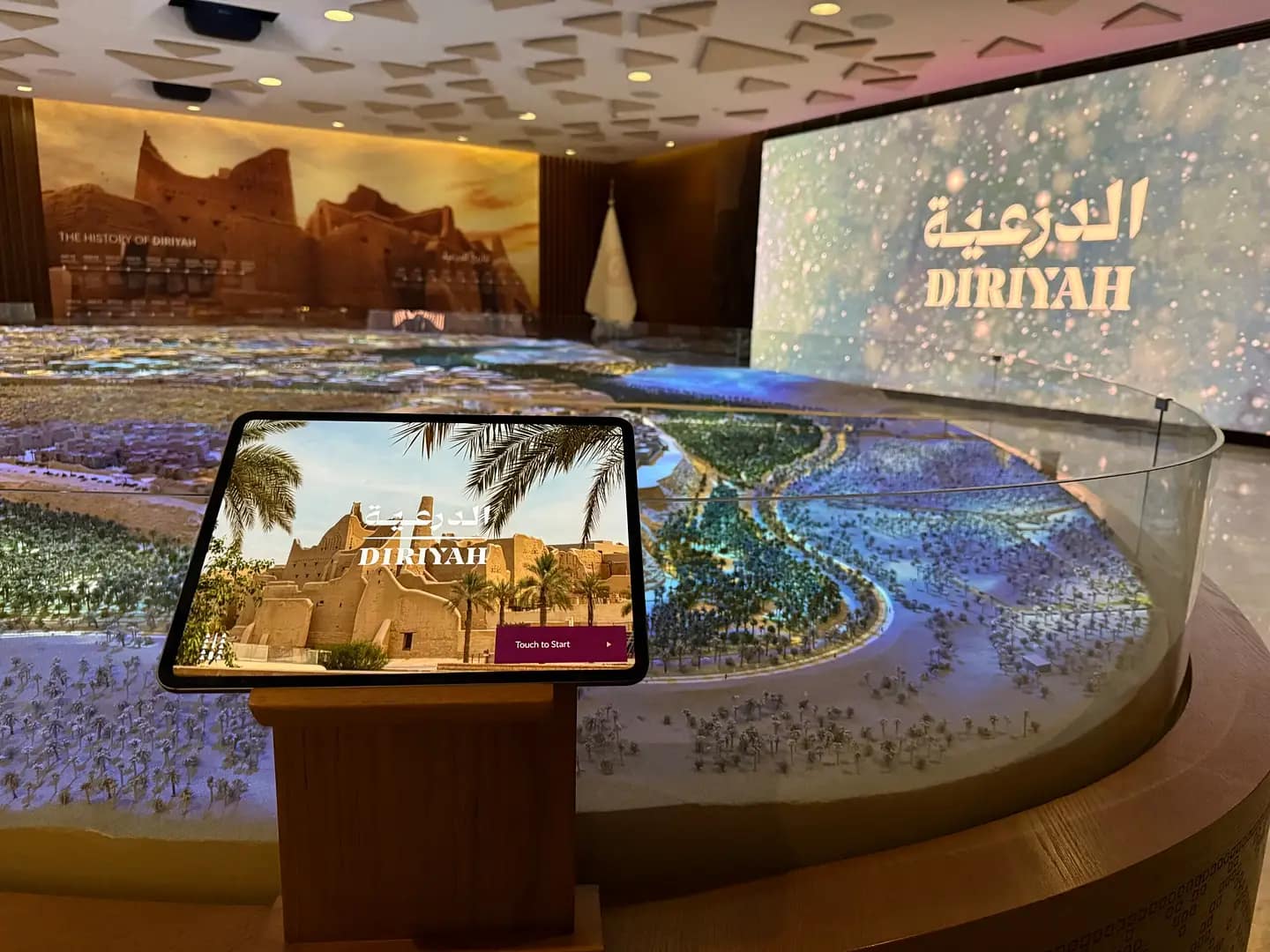
The best cultural destinations aren’t just visited, they’re lived in
April 09, 2026