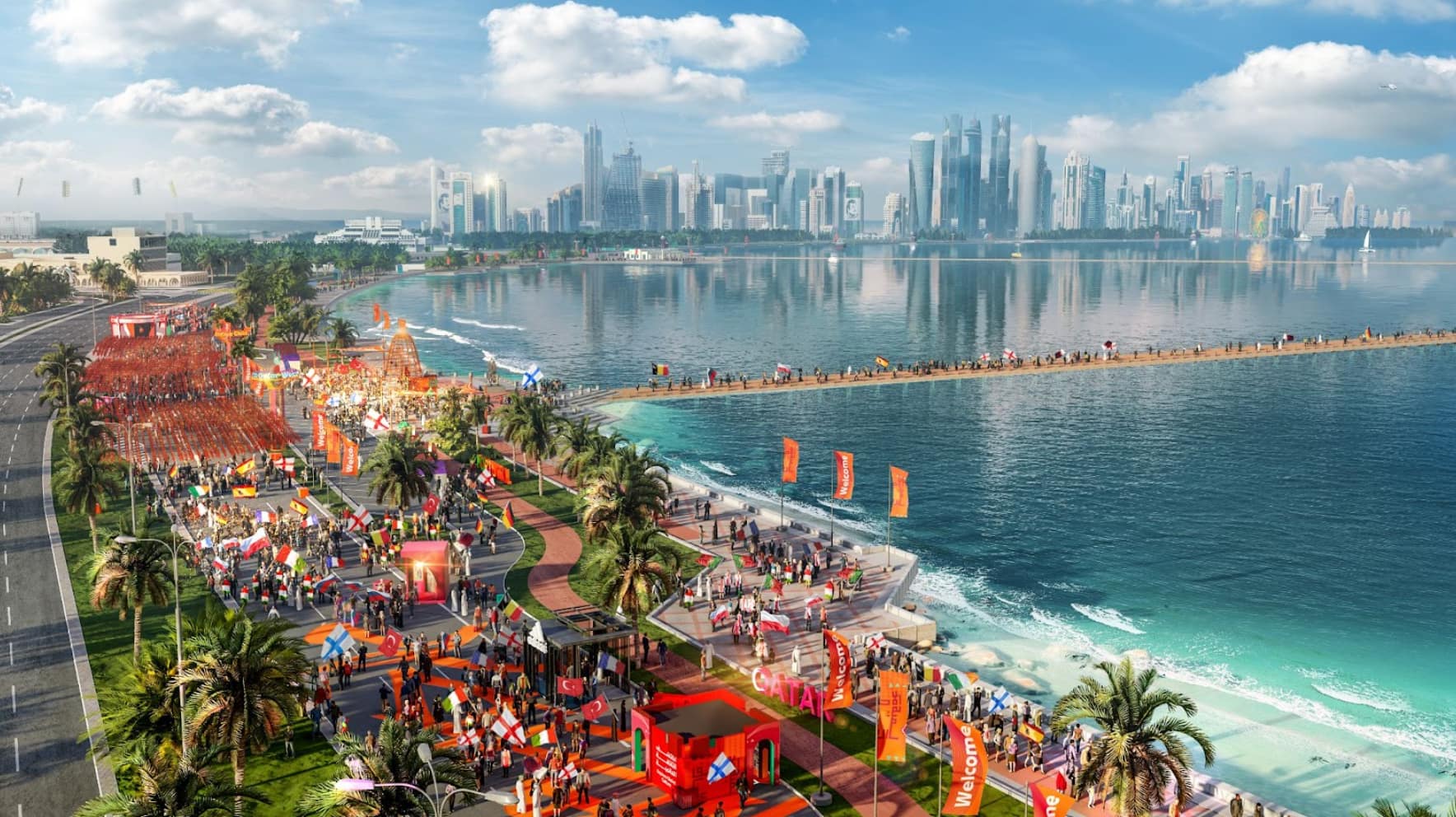
The expansion of themed leisure, mixed-use, and cultural developments across the GCC has set a global benchmark for hospitality and community over recent decades. The future is also being shaped by landmark projects such as Qiddiya in Riyadh, the Wynn Resort in Ras Al Khaimah, and Qatar’s national museums programme.
Scale and spectacle are not the driving ambition for this bold future. Visitors, local and international, seek experiences that feel seamless, emotionally resonant, and thoughtfully connected. It’s the quality of the journey, not just the destination, that leaves a lasting impression and generates the critical metric that counts: repeat visitors.
No two journeys are the same
Every destination is unique, with its own mix of places, people, and stories. No single visitor journey can fit all. Tailored experiences consider different audiences, from families and tourists to VIPs and local communities, or differing reasons to visit, from extreme sports to creative immersion or health transformation. Visitors with unique requirements, such as People of Determination, are accounted for, ensuring inclusivity without compromising the overall flow.
This specificity transforms a generic visit into one that feels considered, meaningful, and memorable.
Take a horizontal approach
Even the most sophisticated developments can stumble when disciplines work in silos. Architects, planners, and operators may excel individually, yet the journey between them can become fragmented, creating friction where there should be flow.
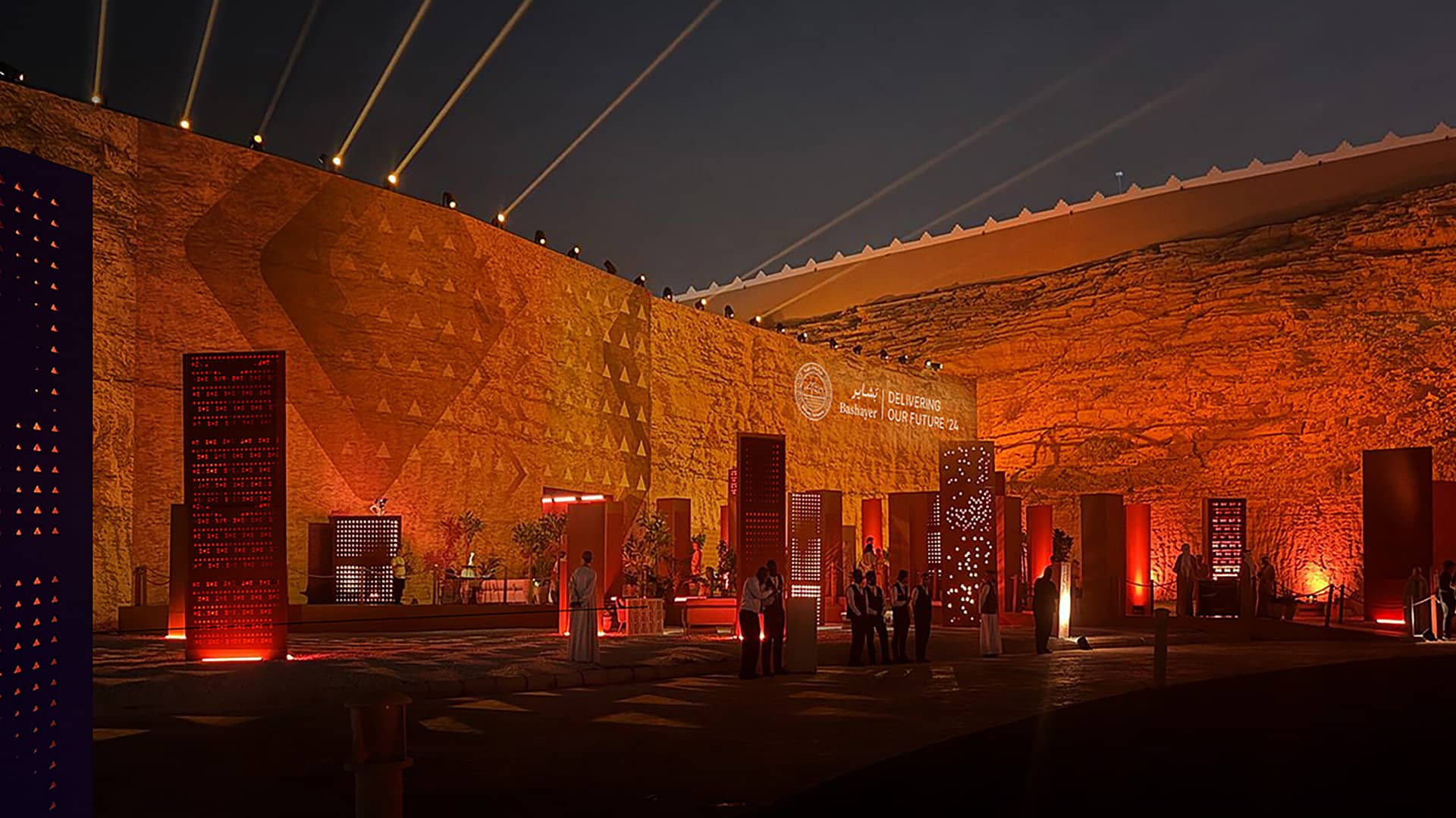
Designing the visitor journey as a connected system across the built environment, programming, operations, and wayfinding ensures consistency from the outset. A horizontal approach brings the visitor’s voice into the conversation early, aligning decisions across every touchpoint.
This approach has proven effective in complex mixed-use developments such as King Salman Park in Riyadh, where cohesion is critical to both the visitor experience and long-term success.
Deeper design for visitor behaviour
Behavioural science is no longer a nice-to-have. It’s a fundamental tool in designing experiences that resonate. While first impressions and final moments are well-known, the subtle in-between interactions often define how a place feels. Priming visitors to engage with programming, explore new spaces, or navigate environments intuitively can transform a simple visit into a memorable journey.
Decades of hands-on experience, paired with behavioural insight, allow these patterns to be translated into practical frameworks that guide movement, interaction, and memory-making.
Think beyond the physical space
Rarely does a visitor journey exist in isolation from the digital world. From pre-arrival planning to on-site navigation and post-visit sharing, physical and digital experiences are deeply intertwined.
An omni-channel approach ensures each touchpoint works in harmony, whether through storytelling, wayfinding, or personalised content. Done well, it creates a seamless, unified experience that feels natural rather than imposed.
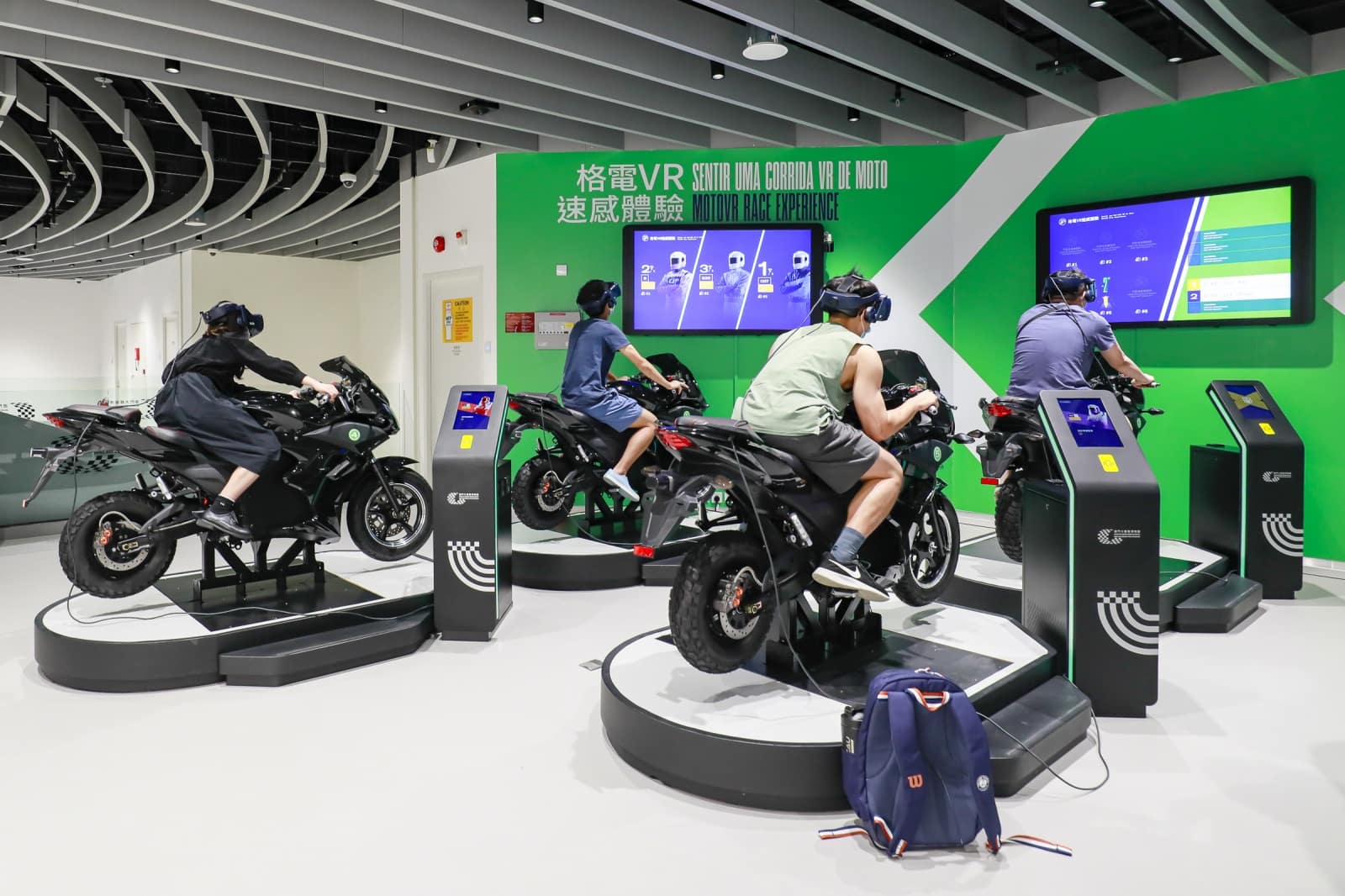
At the Macau Grand Prix Museum, designing a connected experience across physical and digital layers unified every touchpoint into a cohesive visitor story.
Visitor flow is commercial flow
How people move through a destination directly influences its commercial performance. Mapping visitor journeys through a commercial lens can uncover both hidden opportunities and unseen inefficiencies.
Programming, events, and activated public spaces can drive additional spend and maximise return on investment, while early visibility of operational complexities, such as servicing or transport, prevents costly surprises later.
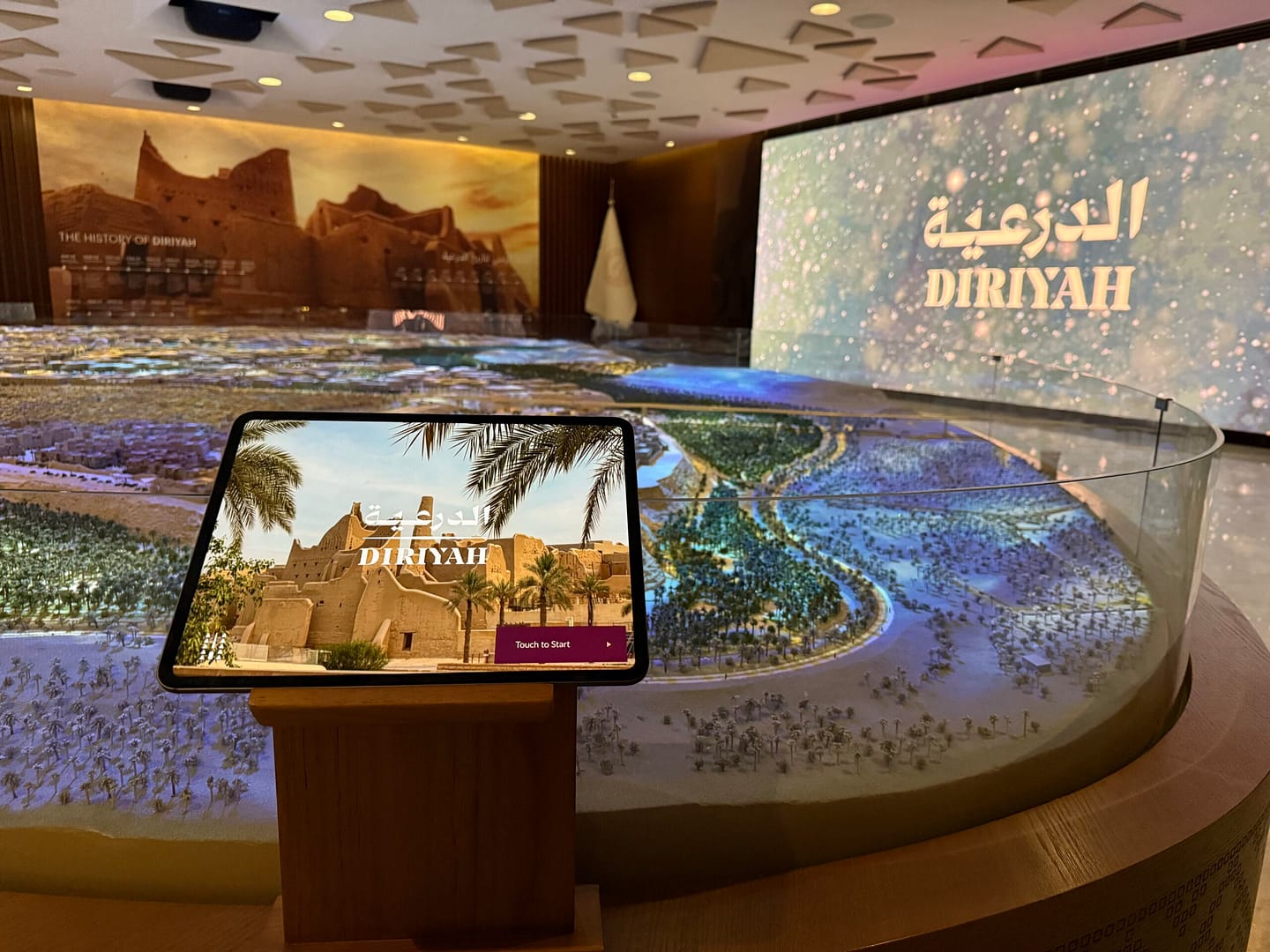
Aligning experience with commercial strategy benefits both visitors and the business. The Diriyah Phase One Masterplan demonstrates this; it was developed with an Event Overlay Plan using our expertise, supporting highly successful public spaces, welcoming millions of visitors with exceptional operational smoothness.
A day in the life
One of the most powerful tools in experience design is storytelling. A day in the life journey brings the vision to life on an emotional level, from anticipation and arrival to peak moments and lasting memories. Visualised with evocative imagery or video, it allows stakeholders to step into the visitor’s shoes. Experiencing the journey in this way builds empathy, aligns teams, and secures buy-in, turning abstract plans into tangible, emotionally compelling realities.
In a region renowned for hospitality, culture, and ambition, the next evolution of destination design lies in creating experiences that are not only impressive but meaningful, connected and deliver on every visitor’s need, whilst creating innovative, sustainable business models.
Thoughtfully designed journeys ensure that visitors do not just attend once; they advocate, return and become ambassadors for the destination long after they leave.
Behind the piece

More like this
Supreme Committee for Delivery and Legacy