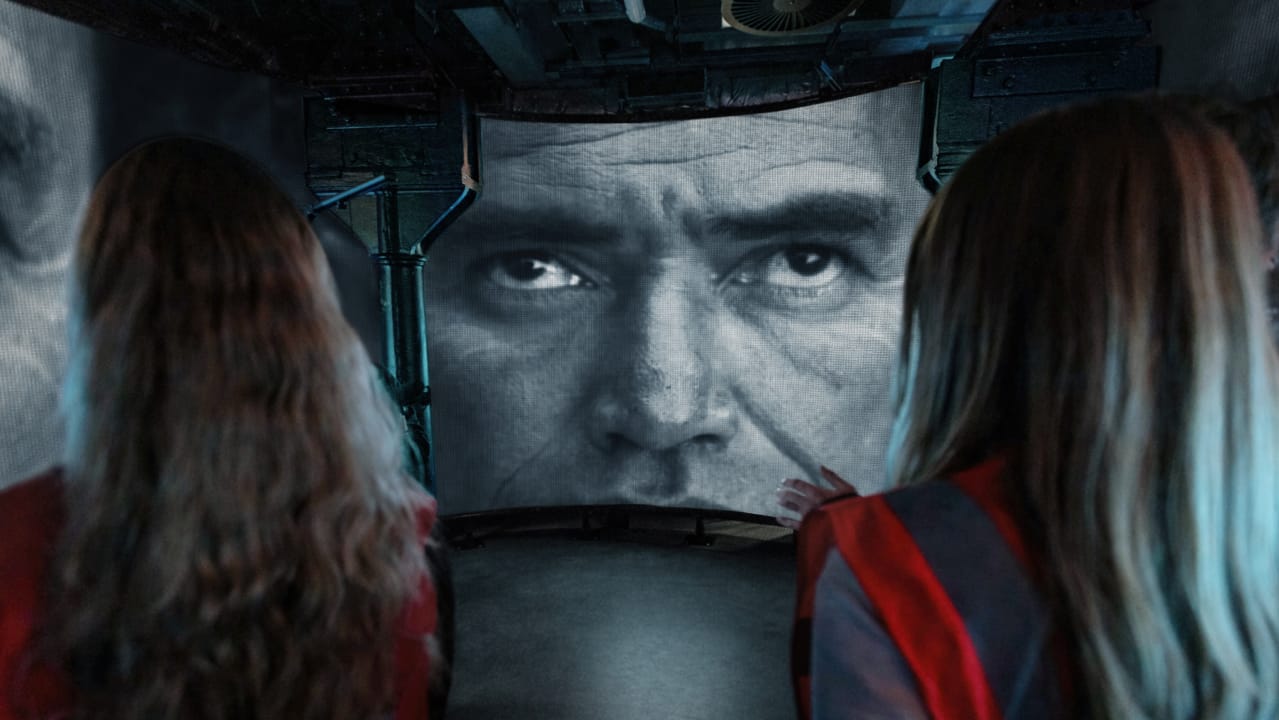
55 experience centres. 18 countries. 26 speakers. One consistent theme.
At the 2026 Brand Experience Centre Conference, it became clear that the most successful brand homes are no longer static destinations. They are living, evolving platforms, designed to create long-term cultural relevance, commercial return and emotional connection.
Across two intensive days of talks, tours and conversations, I heard a remarkable alignment between brand owners, operators and experience makers: the future of brand homes lies in thinking beyond buildings and towards behaviour, programming, hospitality and community impact.
The seven provocations that follow are the ideas that stayed with me, not as trends, but as strategic shifts. They feel particularly relevant for brand home owners, experience leaders and cultural placemakers thinking seriously about long-term value, relevance and ROI.
1. These aren’t brand homes, they’re entertainment businesses.
One of the most powerful reframes of the conference came early on: if you want people to choose your brand home, you need to think like the entertainment and tourism industry, not like a curator.
Paul Carty, the first Head of the Guinness Storehouse, was unequivocal: “We’re in the entertainment business.”
This is especially true for attracting new fans, and in turn creates a halo for the brand. The numbers from Storehouse underline the impact:
- 28m+ visitors globally
- 70% of visitors decide to visit before travelling
- 1 in 5 visitors taste their first Guinness there
- 11% of all new Guinness drinkers are attributable to the Storehouse (Kantar)
- 58.3m hours of engagement annually
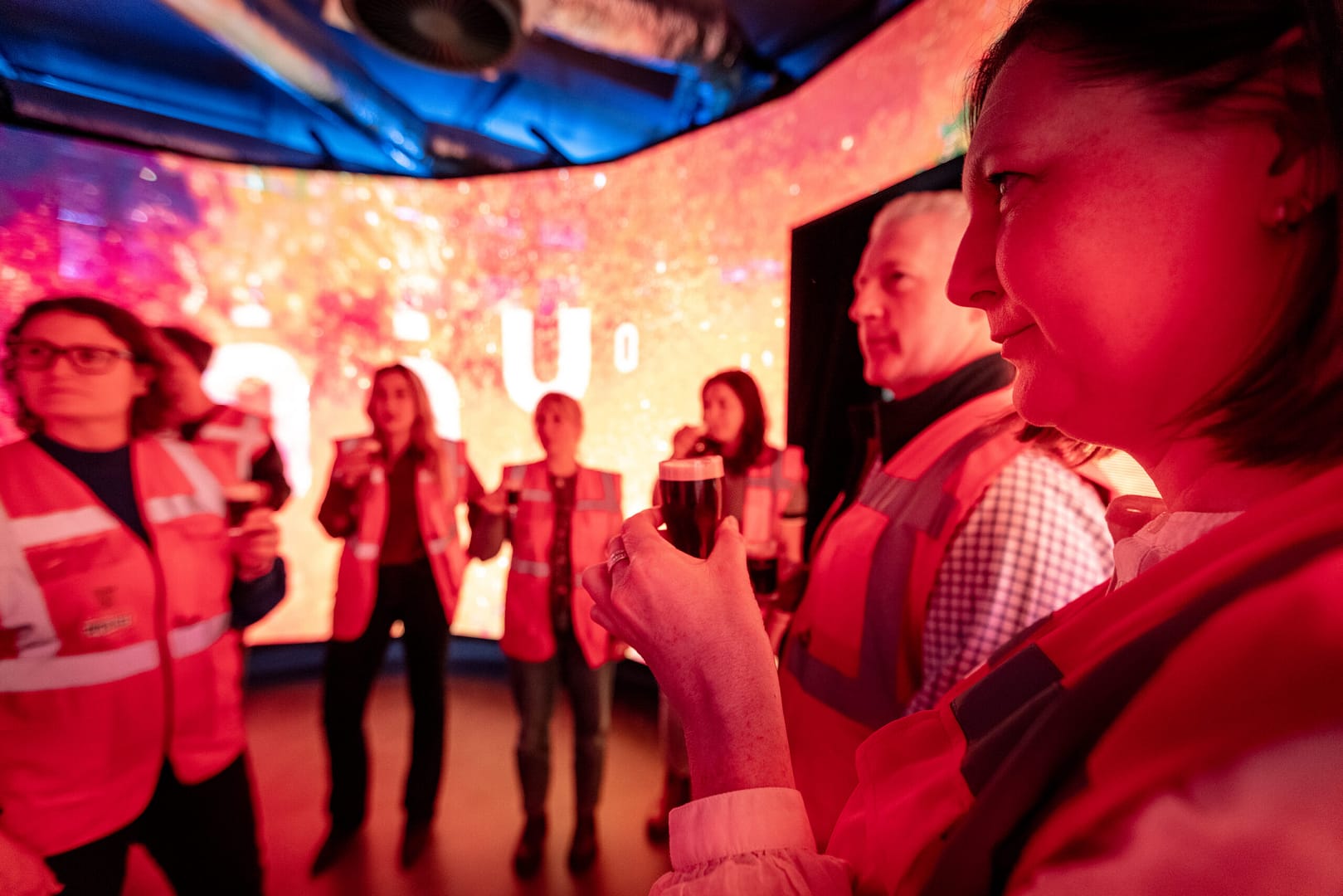
The Storehouse wasn’t conceived as a passive brand archive. When the Imagination team had the privilege of working with Guinness on the concept and design of the Storehouse, it was designed as a place of pilgrimage – something people hear about, dream of visiting, and actively prioritise when planning a trip.
The implication: Brand homes must earn their place against everything else that someone could do with their time. That means understanding tourism behaviour, leisure economics and experience expectations far beyond your traditional product category.
2. People remember people, and the script really matters
If the first lesson was about mindset, the second was about execution. From the many case studies shared, a common thread emerged – that the role of people as ambassadors for the brand is absolutely crucial.
This isn’t about theatrical gimmicks. It was about recognising that front-of-house teams are the brand. When done well, they make visitors feel invited into the inner sanctum – meeting real people who embody the brand’s values and pride.
While brand homes can require significant investment to develop initially, the ongoing time and effort spent crafting a human experience yields huge dividends in emotional engagement and positive memories.
The implication: Designing spaces without designing behaviours is a missed opportunity. The most successful brand homes choreograph how people show up, speak, host and connect – emotionally as well as operationally.
3. Accessibility is not inclusion, and brand homes need to close the gap
One of the most thought-provoking sessions came from Paul Ralph, founder of Blindly Wheeling – an accessibility and inclusion expert, wheelchair user and campaigner working at the intersection of accessibility, culture and lived experience.
His headline stat stopped the room: “75% of customer experiences are failures for people with disabilities.”
The reason? A persistent misunderstanding:
- Accessibility = what I need
- Inclusion = how I feel
Compliance, ramps and lifts do not automatically translate into dignity, agency or emotional connection. Paul challenged brands to think beyond functional access and towards how welcome, respected and included people actually feel inside experiences.
The implication: Think about the small cues of how people with different needs are welcomed and catered for. Ensure your people understand and empathise. Inclusion should be designed as an emotional outcome, not just a technical requirement.
4. Food, drink and hospitality are not supporting acts – they’re value drivers
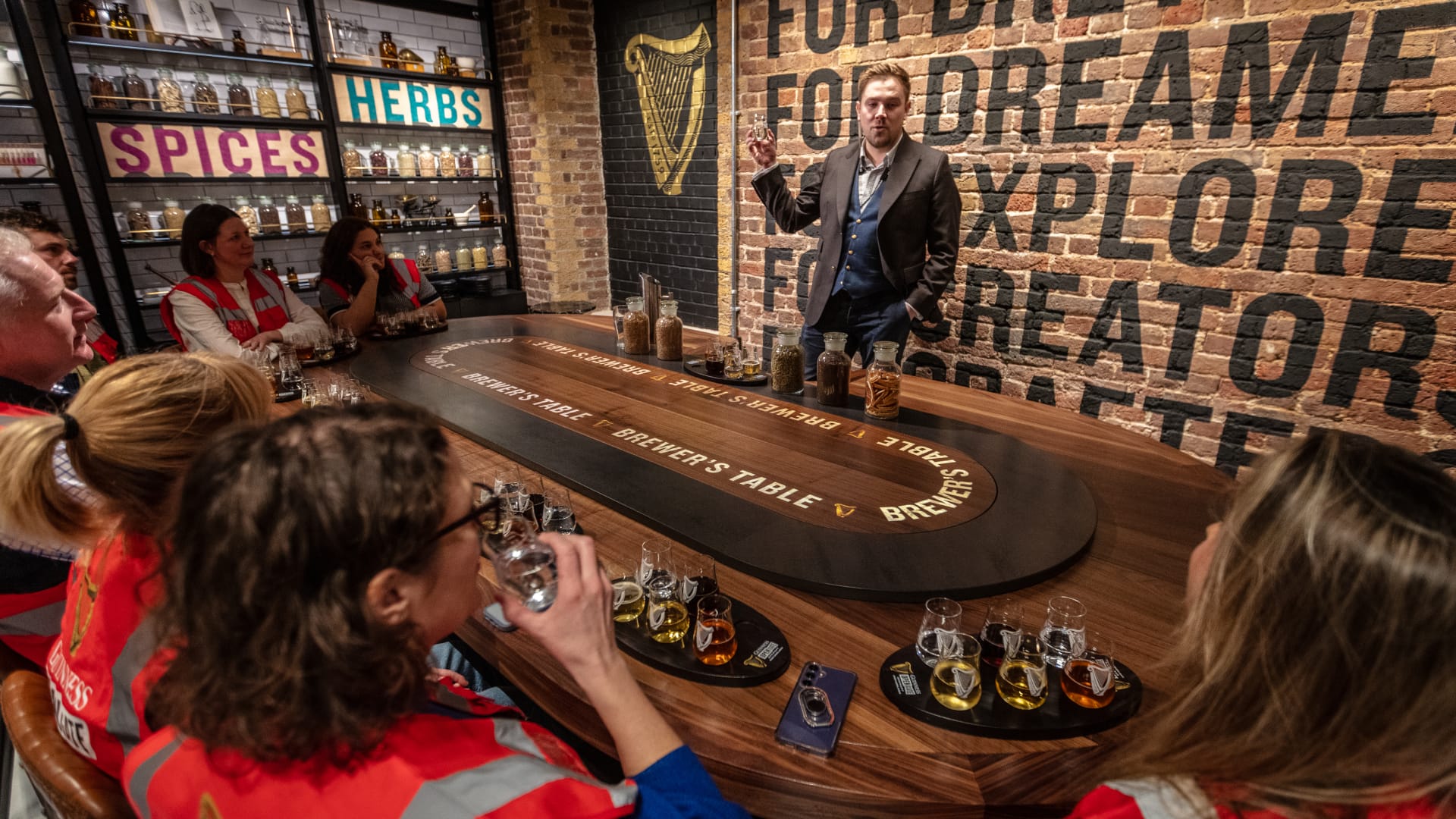
Food, drink and hospitality emerged as some of the most powerful ways brand homes connect people to place – not just emotionally, but economically. At their best, they act as gateways into local culture: how people gather, celebrate, create and share.
This sense of discovery is what makes experiences feel authentic – and it’s also what drives dwell time, satisfaction and spend.
- Gastronomy is the second biggest motivator for tourists in Europe (35%), behind only culture & heritage (40%).
- Hospitality-led moments are often where visitors slow down and connect; they’re where memories are created.
When done well, hospitality becomes a gateway into where you are, not just who you are as a brand.
Laura Sileo Pavat made the point beautifully, referencing the House of Ki No Bi: the most compelling brand homes don’t just tell their own story – they tell the cultural story of the place they belong to. Ki No Bi works because it is inseparable from Kyoto: its craft traditions, its rituals, its pace, its values. Visitors don’t just learn about a gin; they experience a culture.
The implication: Hospitality not only immerses people in the lifestyle of the brand – it helps people discover the place. And when authenticity and quality are taken seriously, it becomes one of the most effective commercial levers available to brand homes.
5. Brand homes have an important role to play in their communities
Another strong theme was the evolving responsibility – and opportunity – for brand homes to act as positive forces within their local communities.
Several examples illustrated how this shows up in practice:
- Titanic Belfast reinvests a percentage from every ticket sold directly into local community development.
- World of Volvo positions itself as “the living room of Gothenburg”, hosting free concerts, education and exhibitions.
- Guinness Storehouse uses its footprint to support local artists, street art and community projects around the Storehouse.
Crucially, this isn’t just about goodwill. Community engagement builds:
- Trust and licence to operate
- Local advocacy and pride
- Repeat visitation beyond tourists
- Long-term resilience
The implication: Brand homes that actively contribute to place tend to be more relevant, more resilient and more loved. Being a good neighbour is increasingly a strategic choice, not a charitable one.
6. Events and programming keep brand homes fresh, relevant and valuable
Events and programming emerged as an effective way for brand homes to stay culturally current and commercially efficient.
Whether it’s Titanic Belfast hosting concerts on the Slipway, or Rotkäppchen winery creating Valentines day experiences.
Done well, programming:
- Drives repeat visitation and “what’s new” energy
- Keeps experiences feeling alive rather than static
- Creates reasons for locals to return
- Enables ticketed revenue and brand partnerships
The implication: Brand homes that behave like cultural platforms, constantly refreshed through programming, are better able to maximise utilisation, ROI and cultural relevance over time.
7. Retail isn’t just souvenirs, it’s part of the experience
Retail is much more than just transactional merch and souvenirs; at its best, it’s a continuation of the experience and a key commercial driver.
At the new Tottenham Hotspur Stadium, the shop has been redesigned as an experience, with plenty to do around the brand, the unique IP, personalisation and more.
At the Guinness Storehouse and Guinness Open Gate Brewery in London, the product array has evolved – alongside the classic “I’ve been there” souvenirs are limited editions and cultural collabs, where the brand home becomes a place for creative innovation and exploration of the brand itself, in turn helping to bring in new generations of customers and brand fans.
For strong brands, stores can become:
- Places to test new ideas
- Platforms for cultural collaborations
- Expressions of brand in fashion, design and lifestyle
The implication: When retail extends the story rather than ends it, it strengthens both brand affinity and commercial performance.
Closing thought: It takes both visionaries and builders
There’s no doubt that investing in a brand home is not a short-term endeavour. It should be seen as a key asset and be measured as such.
To be successful requires two mindsets – in the words of Federico Ceretto, owner of Ceretto Winery, “My father was a visionary, my uncle was a builder”.
This balance of visionary and builder is fundamental to successful brand homes. They require bold vision and creative ambition, anchored by rigorous execution. The result is something that works in practice, but also operates as a North Star – a destination people long to visit, plan journeys around and create their own stories to share long after they have left.
Behind the piece

More like this


September 24, 2026
Beyond the viewport: Why the real world always re-writes your render
September 01, 2026
Why the smartest brands are already experimenting with conversational AI
For the things worth sharing, we’ve got a newsletter for that.