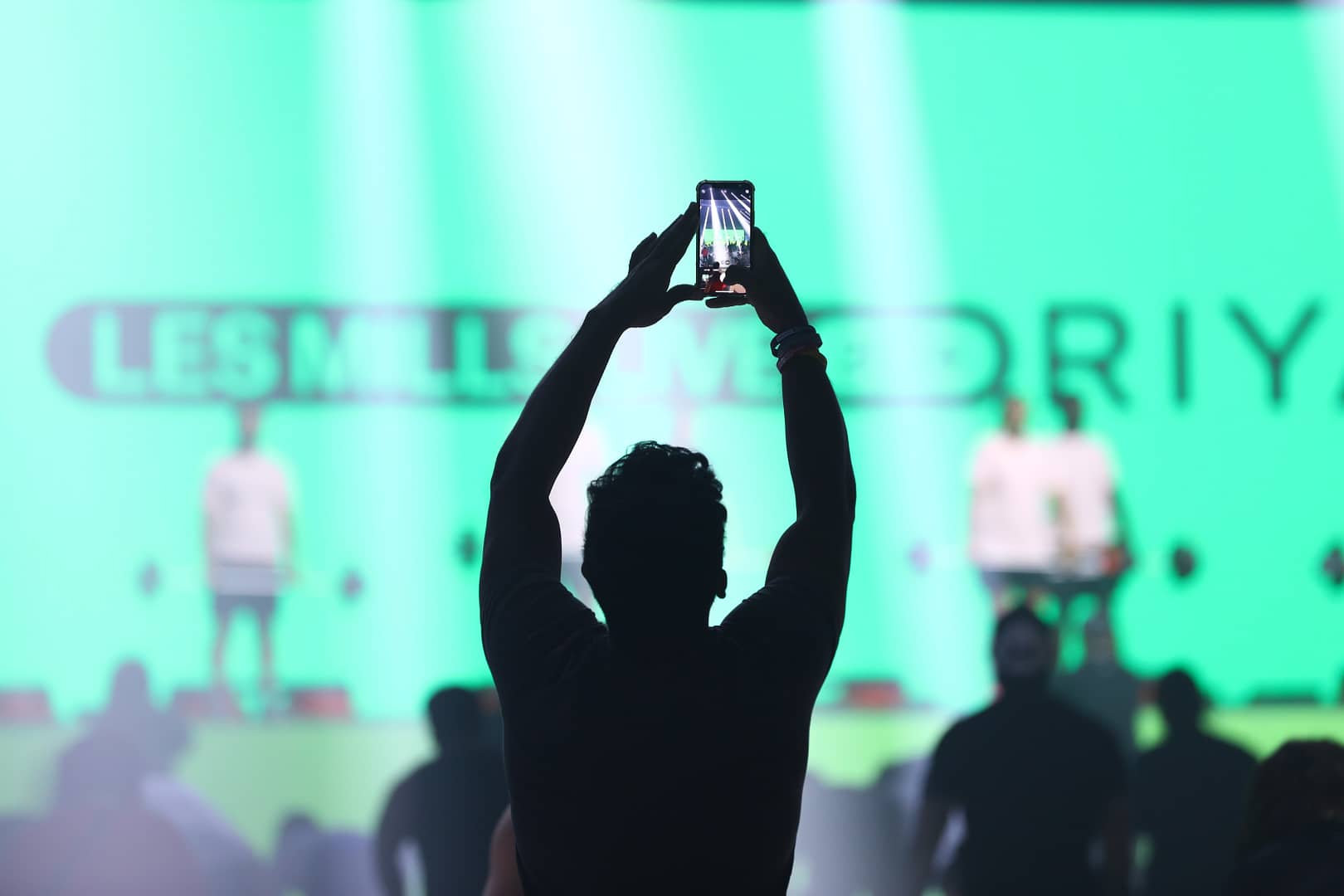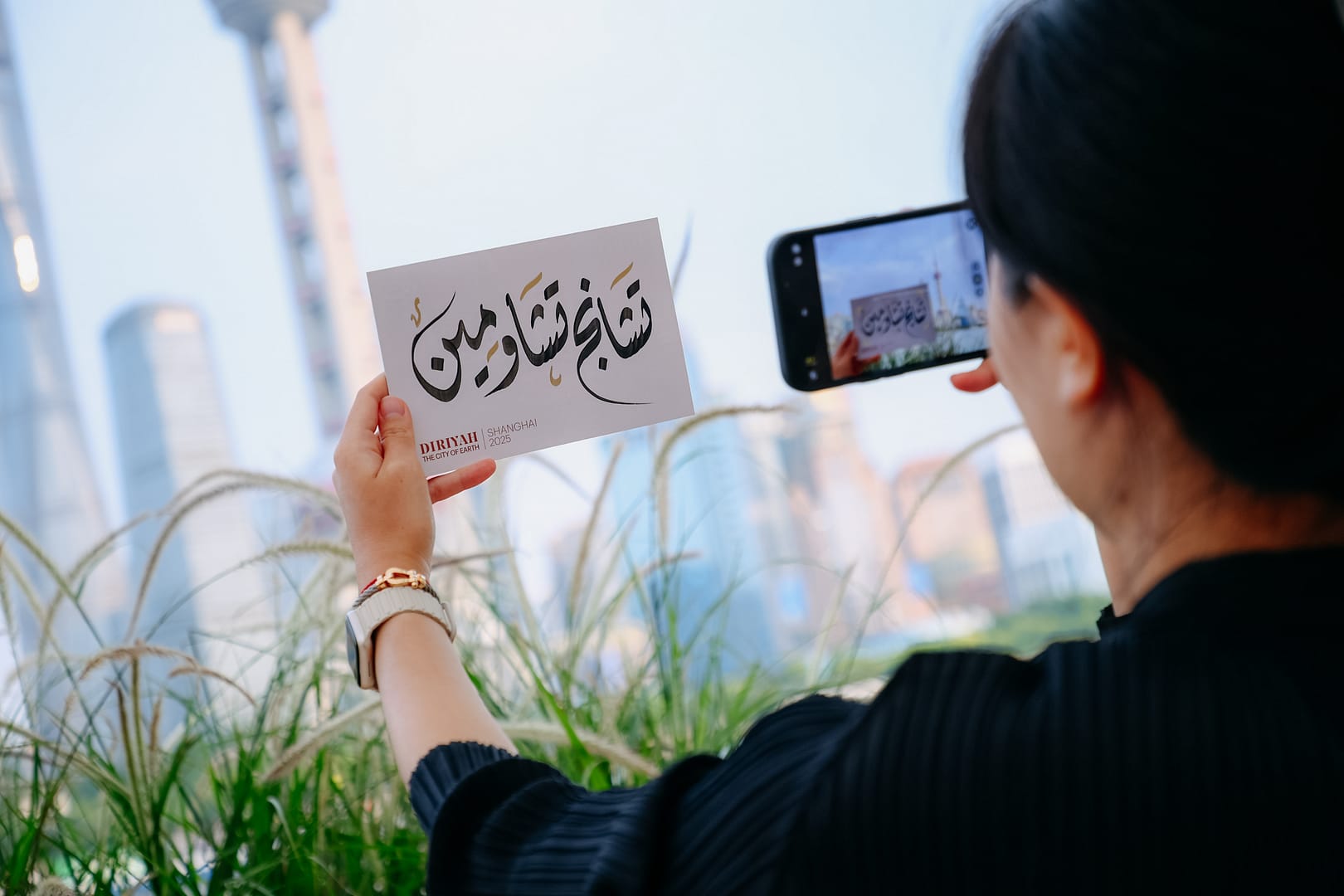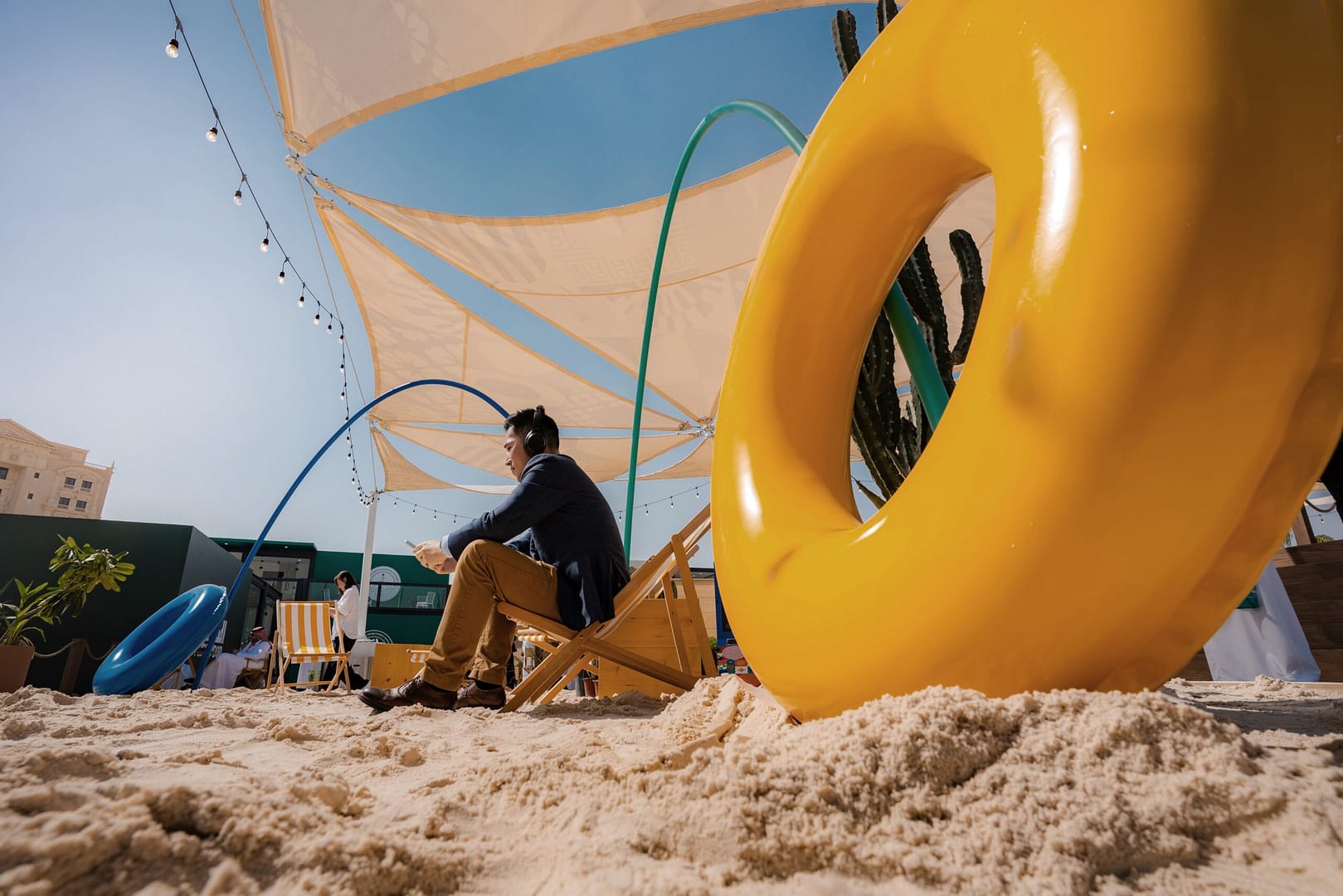
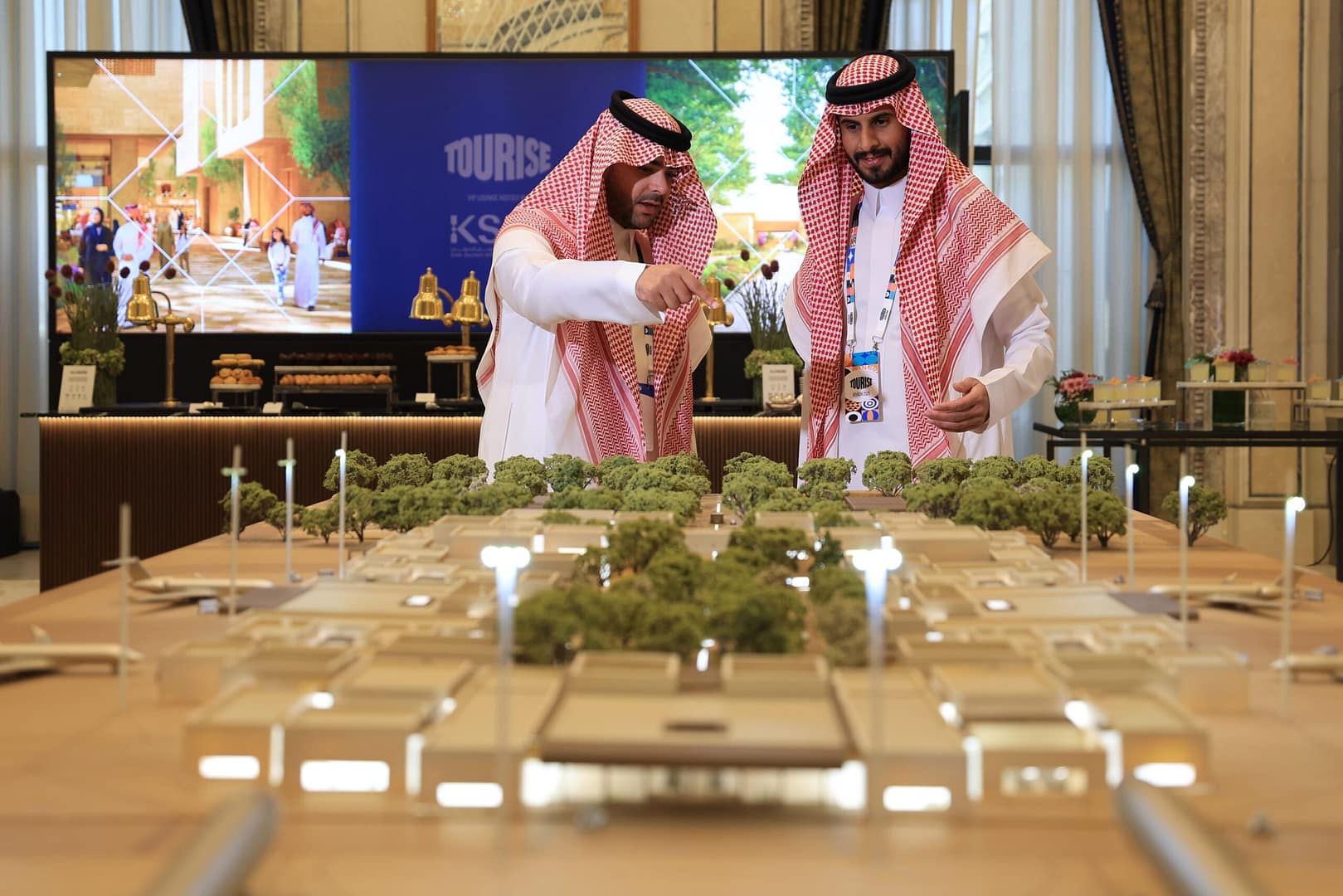
The energy at the TOURISE 2025 Summit in Riyadh was palpable. It confirmed Saudi Arabia is not just building attractions; it is constructing the future of global tourism itself. This vision demands more than grand architecture; it requires a radical shift in how we conceive of service, community and commercial viability.
The deep conversations with ministers, developers and global leaders at TOURISE highlighted three non-negotiable strategic imperatives. These are the principles that will ensure our nation’s tourism growth is not only fast but also sustainable, authentic and emotionally resonant.
The human and cultural core: decentralisation as destiny
The primary challenge for an industry experiencing exponential growth is maintaining its soul. The consensus from the summit was clear: tourism must remain human-led. While artificial intelligence (AI) is essential for scale, genuine connection and meaningful job creation are achieved only through human interaction.
Sustainable growth means resisting the gravitational pull toward centralised, homogenous models. Decentralised growth is a strategic necessity that elevates the entire ecosystem. It ensures that local community infrastructure and small businesses become core components of the visitor experience, directly avoiding the blandness that plagues mass tourism worldwide.
For us in Saudi Arabia, this means tourism becomes a powerful mechanism to celebrate and preserve our unique identity, deep culture and unparalleled natural environment. When done correctly, this approach provides tangible, immediate benefits for residents – improving mobility, increasing clean spaces and generally uplifting the visual appeal of our towns and cities. This is the essence of private, public and people partnerships (PPPPs) – ensuring the community has a foundational stake alongside the government and investors.
This commitment to human capital places immense pressure on our sector’s talent pipeline. The talent challenge is substantial; as noted by leaders such as Accor, training the local workforce for high standards of service is a massive undertaking. We must proactively create clear, professional career pathways with competitive pay and strong values to successfully onboard and retain our talented Saudi youth in hospitality.
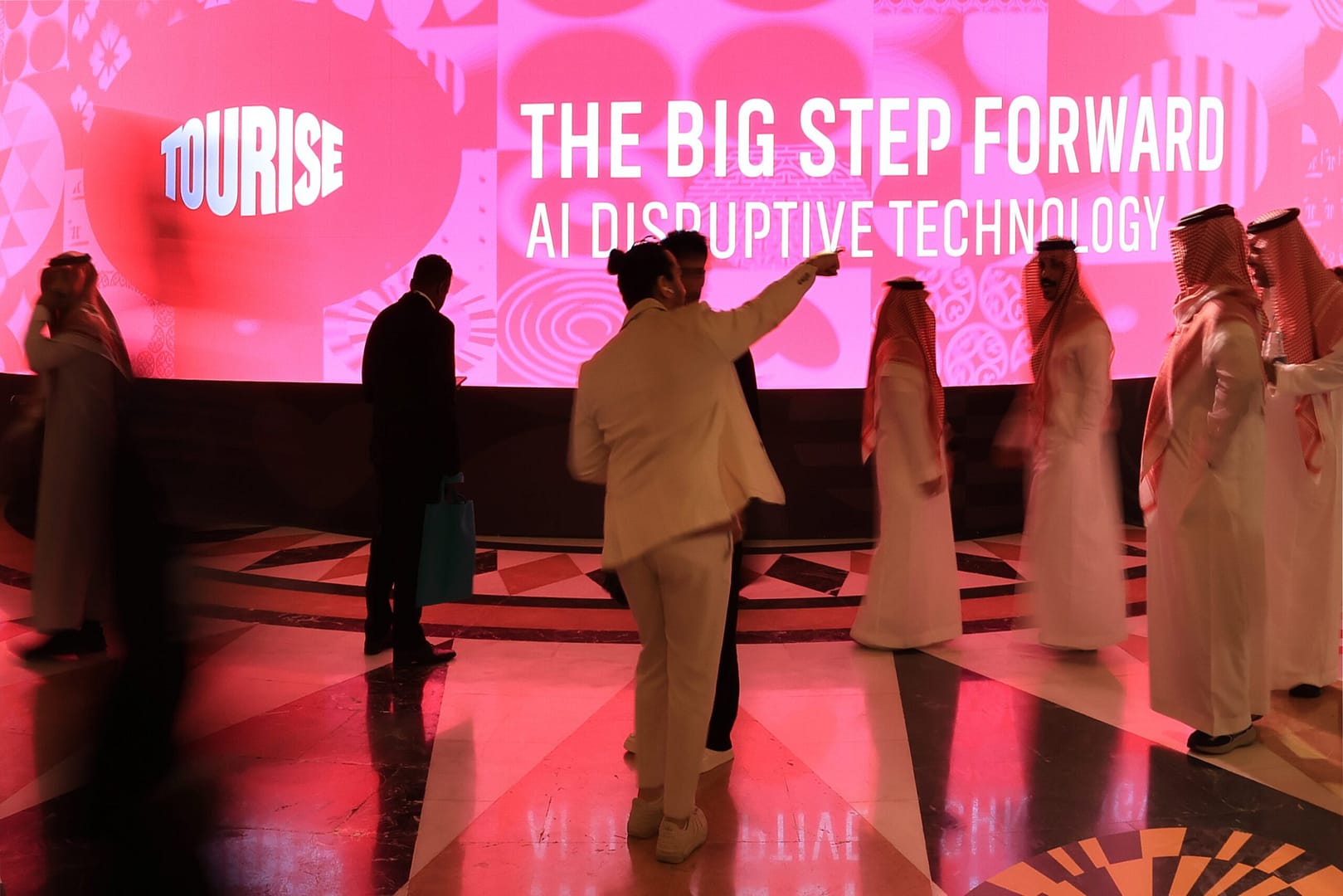
The future of service: AI and the intimacy equation
The conversation around technology has fundamentally shifted from automation to augmentation. The strategic use of data and AI is not about replacing the human element but about restoring intimacy to hospitality.
Think of the F1 pit stop. Technology took the pit time from 45 seconds to 3 seconds, making the process hyper-efficient. Similarly, AI’s role is to automate mass travel administration and scale data processing – the operational pain points such as airport logistics and check-ins – thereby freeing human staff to focus exclusively on personalised service, warmth and human interaction.
The concept of the AI-empowered human avatar – wherein staff receive AI input and output in real-time to optimise service delivery – might sound like science fiction, but it is fast becoming an operational necessity. It allows the human to retain the crucial emotional connection and physical presence while benefiting from AI’s rational processing power. Our focus must be on designing systems that support this delicate balance.
Strategy of place: curation and commercial flow
The final frontier is designing experiences that are commercially viable while feeling authentic and transformative. This requires a forensic approach to place-making.
For our incredible natural environments, the approach must be to curate, not merely build. This principle – integrating development seamlessly with the environment – is vital for sustainability and supports the transformation economy, which focuses on experiences that offer genuine, lasting change rather than fleeting entertainment. This includes the rapidly expanding wellness sector, which spans longevity clinics to spiritual relaxation and is driving cross-segment growth globally.
Finally, we must recognise the immense opportunity in optimising existing tourism assets, particularly religious tourism. By focusing on the right experience mix and more intentional programming, destinations can significantly increase dwell time, shifting the average stay from four to eight nights and unlocking deeper economic, cultural and spiritual value without expanding physical footprint.
The commercial success of our destinations is also heavily driven by mega-entertainment and sporting events. These are not just fleeting shows; they are powerful placemaking assets. High-profile events such as the Jeddah F1 Grand Prix, which generated tens of thousands of jobs, require specialised operational and design advisory to ensure the infrastructure and event logistics are world-class, driving both immediate revenue and long-term tourism appeal.
The insights from TOURISE confirm that the ambition of Vision 2030 is matched by its strategic complexity. The next phase of Saudi tourism will be defined by precision over volume, authenticity over spectacle and connection over transaction.
As the sector evolves, the real opportunity lies in translating these imperatives into places and experiences that resonate with people on a human level. Destinations that reflect cultural depth, respect the natural environment and offer clarity of purpose are the ones most likely to inspire lasting loyalty. In this context, design becomes not just a creative exercise but a catalyst for building true advocates for the Kingdom.
This article first appeared in Campaign Middle East written by, Abdullah AlRasheed, General Manager from our Riyadh studio.
Behind the piece
More like this